
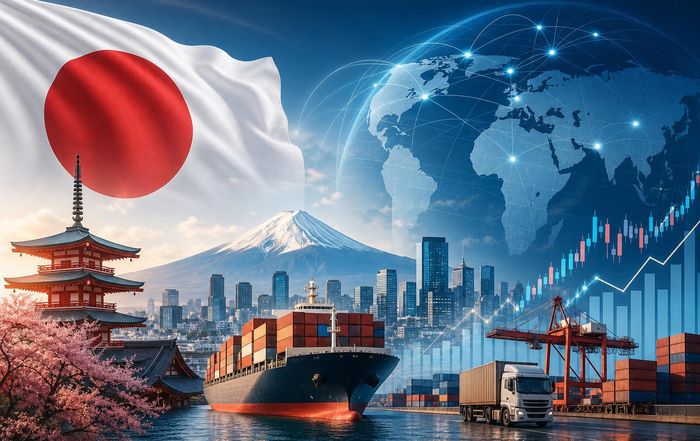
Japan Business Trends Affecting Trade and Investment
Introduction: Why Japan Still Matters for Global Trade and Capital
Japan remains one of the world's most consequential economies, even as attention often shifts toward China, India and Southeast Asia. As the world's third-largest economy by nominal GDP according to the International Monetary Fund (IMF), Japan exerts significant influence on global trade flows, capital markets, technology supply chains and multinational investment decisions. In our business-focused daily updated sections such as economy, business and finance, understanding current Japanese business trends is increasingly important for strategic planning, portfolio allocation and cross-border partnerships.
In recent years, Japan has been navigating a delicate mix of structural challenges and emerging opportunities: an aging population, evolving corporate governance, the reconfiguration of supply chains, a changing energy mix, the global digital transformation, and shifting geopolitical alliances. These factors have reshaped how Japanese companies operate at home and abroad, influenced foreign direct investment (FDI) into Japan, and altered how Japanese capital flows outward into North America, Europe and the rest of Asia.
This unique article examines the most significant business trends in Japan that affect trade and investment decisions, with a focus on implications for U.S. and international stakeholders who follow us for timely news, regulation, jobs and technology insights. It draws on current data and analysis from reputable global institutions, government agencies and independent research organizations, and aims to highlight positive developments and practical opportunities while acknowledging the uncertainties that investors and policymakers must navigate.
Macroeconomic Shifts: From Deflation to Cautious Reflation
For decades, Japan was synonymous with low growth, deflationary pressures and ultra-loose monetary policy. The combination of an aging society, subdued domestic demand and persistent price stagnation led the Bank of Japan (BOJ) to maintain negative interest rates and extensive asset purchase programs long after other major central banks had begun tightening. That regime has been shifting, with important consequences for trade, capital flows and corporate strategy.
Recent years have seen a modest but notable return of inflation, driven by a weaker yen, higher import costs, and gradually rising wages. The BOJ has been carefully recalibrating its stance, moving away from strict yield curve control and eventually exiting negative interest rates, while still signaling caution to avoid destabilizing financial markets. Analysts at institutions such as the Bank for International Settlements (BIS) and the OECD (OECD Japan economic surveys) have highlighted that Japan's shift from chronic deflation toward moderate inflation, if sustained, could support corporate profitability, encourage investment and reduce the real burden of public debt, although the precise pace and durability of this transition remain subjects of debate.
For international investors, these monetary and macroeconomic shifts matter in several ways. A gradually stronger or more stable yen after a prolonged period of depreciation could alter the relative attractiveness of Japanese equities and bonds, influence hedging strategies, and affect the competitiveness of Japanese exports. At the same time, a normalization of interest rates, even if modest, may change the behavior of domestic institutional investors such as life insurers and pension funds, which have historically been large buyers of foreign assets. Research from the Bank of Japan and independent think tanks like the Japan Center for Economic Research suggests that as domestic yields become slightly more appealing, some outward capital flows could be rebalanced, although the extent of this effect is uncertain and will depend on global rate differentials.
For folks focused on the U.S. economy and markets through USA update, these macro trends in Japan intersect with broader global themes covered in pages such as international and energy, particularly as they influence currency markets, cross-border M&A and the financing of large-scale infrastructure and technology projects.
Japan Trade & Investment Dashboard
- Stress-test USD/JPY assumptions in earnings and valuation models.
- Watch BOJ communications for pace of normalization and yield impacts.
- Prioritize sectors that benefit from modest reflation (financials, cyclicals).
Corporate Governance Reform and Shareholder Value
One of the most consequential structural trends in Japanese business over the past decade has been the steady evolution of corporate governance. Historically, Japanese firms were often characterized by cross-shareholdings, consensus-driven management and a relatively weak emphasis on shareholder returns. This has been changing through a combination of regulatory reform, stock exchange initiatives and pressure from both domestic and international investors.
The introduction of Japan's Corporate Governance Code and Stewardship Code, along with subsequent revisions, has encouraged companies to improve board independence, disclose capital allocation policies and address chronically low returns on equity. The Tokyo Stock Exchange (TSE) has played a particularly visible role, especially through its recent push urging listed companies trading below book value to articulate strategies for improving capital efficiency. Reports from the TSE and commentary by global asset managers documented by outlets such as the Financial Times and Nikkei Asia indicate that this campaign has prompted a growing number of firms to consider share buybacks, dividend increases and restructuring of underperforming assets.
The impact of these reforms is still unfolding, and opinions differ on how far-reaching the transformation will ultimately be. Some analysts point to rising shareholder payouts, an increase in activist investor campaigns and a gradual unwinding of cross-shareholdings as evidence that Japan is becoming more shareholder-friendly. Others caution that entrenched corporate cultures, the importance of stakeholder relationships and the weight of tradition may limit the pace and depth of change. Nonetheless, the direction of travel appears clear: governance standards are improving, transparency is increasing, and management teams are under greater pressure to justify capital allocation decisions.
For global investors monitoring business and finance trends via this site, this governance evolution has several implications. It may enhance the appeal of Japanese equities, particularly for long-term institutional investors seeking diversified exposure to developed markets. It can also create opportunities for engagement-oriented investment strategies, including responsible and ESG-focused funds that prioritize governance quality. Additionally, as balance sheets are optimized and non-core assets are divested, there may be more opportunities for cross-border acquisitions and partnerships, particularly for U.S. and European buyers with sector-specific expertise.
People interested in governance, regulation and investor protection can explore broader regulatory developments in the U.S. and abroad through USA update's regulation coverage, which often parallels themes now emerging in Japan's own corporate landscape.
Demographics, Labor Markets and the Future of Work
Japan's demographic profile-marked by a rapidly aging population and low birth rate-is well known and often presented as a challenge. Yet the way Japanese businesses and policymakers are responding to this reality is generating a set of distinctive labor market trends that affect productivity, automation, immigration and human capital investment.
Data from Japan's Ministry of Internal Affairs and Communications and analyses by the United Nations Department of Economic and Social Affairs (UN DESA) confirm that Japan's median age is among the highest in the world and that its working-age population is shrinking. This has contributed to tight labor markets in many sectors, from manufacturing and logistics to healthcare and hospitality. To address these pressures, the government has introduced targeted immigration programs, expanded pathways for foreign technical interns and skilled workers, and encouraged greater labor force participation by women and older workers.
At the same time, Japanese companies have been accelerating investments in automation, robotics and digital tools to offset labor shortages and enhance productivity. Firms in sectors such as automotive, electronics, logistics and retail are deploying advanced robotics, AI-driven scheduling systems and self-service interfaces. Organizations like the Japan Robot Association and research institutions such as RIKEN highlight Japan's continued leadership in industrial and service robotics, while global consultancies, including McKinsey & Company and Deloitte, have documented how Japanese manufacturers are integrating Industry 4.0 technologies into their operations.
These labor and technology trends have several implications for trade and investment. On one hand, high levels of automation can support the competitiveness of domestic production, enabling Japan-based factories to remain viable despite rising wage pressures and demographic constraints. On the other hand, the need for specialized digital and engineering talent may encourage partnerships with overseas firms, cross-border R&D collaboration and the establishment of innovation hubs in regions with complementary skills.
For U.S. companies and investors following jobs and employment changes through USA update, Japan's experience offers insights into how advanced economies can manage aging populations, integrate technology into work and design policies that encourage diverse labor participation. It also creates opportunities for American and European providers of HR technology, training services, healthcare solutions and automation equipment to engage with Japanese partners.
Supply Chain Reconfiguration and "China Plus One" Strategies
The reconfiguration of global supply chains has been one of the defining business themes of the past several years, driven by geopolitical tensions, pandemic-related disruptions and a growing emphasis on resilience alongside efficiency. Japan has been at the center of this shift, both as a major manufacturing hub and as a critical supplier of components, materials and capital goods for industries ranging from semiconductors to automotive and aerospace.
Japanese companies have been actively pursuing "China plus one" or "China plus many" strategies, diversifying production and sourcing to countries such as Vietnam, Thailand, India, Indonesia and Mexico. Reports from organizations like the Japan External Trade Organization (JETRO) (JETRO) and analyses by the World Bank (World Bank trade and supply chains) indicate that Japanese manufacturers are reassessing their geographic footprints to balance cost, risk and access to key markets. At the same time, the Japanese government has introduced incentive programs to support the reshoring or diversification of strategic supply chains, particularly in sectors deemed vital for economic security, such as pharmaceuticals, semiconductors and critical materials.
This supply chain realignment affects trade and investment patterns in multiple ways. For host countries in Southeast Asia and beyond, Japanese FDI brings capital, technology and management expertise, often in collaboration with local partners. For the United States and Europe, it can create new opportunities for joint ventures, co-manufacturing arrangements and technology sharing, especially in industries where Japanese firms hold strong intellectual property or production know-how. It also prompts multinational corporations to consider Japan not only as a market but as a strategic partner in building more resilient, diversified supply networks.
For fans who follow international and economy reporting, this evolving supply chain landscape intersects with trade policy, tariffs, export controls and investment screening measures. Institutions such as the World Trade Organization (WTO) and national trade ministries have emphasized the need to balance security concerns with open markets, and Japan's approach offers a case study in how a major advanced economy navigates these trade-offs.
Technology, Innovation and the Digital Transformation of Japanese Business
Japan has long been recognized for its technological prowess in hardware, engineering and manufacturing, but in recent years it has also been accelerating efforts in digital transformation, cloud adoption, artificial intelligence and data-driven services. This shift is reshaping how Japanese companies operate domestically and how they engage with global partners.
Government-led initiatives such as "Society 5.0" and digital agency reforms have sought to modernize public services, encourage digital infrastructure investment and support the adoption of advanced technologies in both large enterprises and small and medium-sized enterprises (SMEs). The creation of Japan's Digital Agency and policy frameworks discussed by the Ministry of Economy, Trade and Industry (METI) (METI digital policy) underscore a commitment to integrating digital tools into healthcare, education, finance, manufacturing and logistics.
In the private sector, leading technology and industrial firms such as Sony Group, Toyota Motor, Hitachi, Fujitsu, NTT and SoftBank Group have been investing in AI research, cloud platforms, 5G deployment, autonomous driving and smart city solutions. Collaborations with global tech companies, including U.S.-based cloud providers and semiconductor leaders, have become more common, reflecting the interconnected nature of modern innovation ecosystems. Industry analyses from sources like IDC, Gartner and academic research published through platforms such as IEEE Xplore highlight how Japanese enterprises are increasingly integrating data analytics, IoT devices and cybersecurity measures into their operations.
The semiconductor sector deserves particular attention, given its critical role in global supply chains and national security. Japan remains a key supplier of semiconductor manufacturing equipment, specialty chemicals and materials, with companies such as Tokyo Electron and Shin-Etsu Chemical playing prominent roles. At the same time, Japan has been working with partners including the United States and Europe to support advanced chip manufacturing capacity and research. The establishment of new joint ventures and fabs, supported in some cases by government incentives, reflects a broader push to secure leading-edge and mature-node capacity in friendly jurisdictions. Publications by the Semiconductor Industry Association (SIA) and policy papers from think tanks like the Center for Strategic and International Studies (CSIS) discuss Japan's place in this evolving semiconductor landscape and its implications for technology supply chains.
For individual email newsletter subscribing members or online visitors who like technology, business and consumer trends, these developments in Japanese digital transformation and innovation open avenues for cross-border partnerships, licensing deals, venture investment and joint R&D projects. They also highlight the importance of regulatory and standards coordination across jurisdictions, particularly in areas such as data privacy, AI ethics and cybersecurity.
Green Transition, Energy Security and Climate-Related Investment
The global shift toward decarbonization and sustainable energy is another major trend shaping Japanese business decisions and investment flows. Japan has committed to achieving carbon neutrality by mid-century and has set interim targets for emissions reduction, although the specific policy pathways and technology mixes remain the subject of active debate among policymakers, industry groups and environmental organizations.
Japan's energy mix has been in flux since the Fukushima Daiichi nuclear disaster, which led to a temporary shutdown of most nuclear reactors and a greater reliance on imported fossil fuels, particularly liquefied natural gas (LNG). Over time, some nuclear reactors have been restarted under stringent safety standards, while the government has promoted renewable energy deployment, energy efficiency measures and research into next-generation technologies such as hydrogen, ammonia co-firing and carbon capture. The Agency for Natural Resources and Energy within METI and organizations like the International Energy Agency (IEA Japan analysis) provide detailed assessments of Japan's evolving energy policy and its implications for emissions, security and costs.
Renewable energy capacity, including solar and wind, has grown, though challenges related to grid integration, land availability and regulatory complexity remain. At the same time, Japan has positioned itself as a potential leader in the global hydrogen economy, with pilot projects in transportation, power generation and industrial applications. Companies such as Kawasaki Heavy Industries, Mitsubishi Heavy Industries and major utilities are involved in hydrogen supply chain projects, often in collaboration with partners in Australia, the Middle East and Europe. Reports from the Hydrogen Council (Hydrogen Council) and the World Economic Forum discuss Japan's role in advancing hydrogen technologies and standards.
These energy and climate-related developments shape trade and investment opportunities in several ways. Foreign investors may find prospects in renewable energy projects, grid modernization, energy storage, hydrogen infrastructure and climate-focused financial instruments. Japanese companies, in turn, are investing abroad in LNG projects, offshore wind farms and low-carbon technologies, often in partnership with U.S. and European firms. For smart individuals who track energy, finance and international developments, understanding Japan's green transition is essential for evaluating long-term demand for fuels, equipment and climate solutions.
It is worth noting that experts differ on the optimal balance between nuclear, renewables and fossil fuels with carbon abatement in Japan's future energy mix. Some environmental groups argue for a more rapid phase-out of nuclear and coal in favor of renewables, while others emphasize the reliability and baseload characteristics of nuclear power and the transitional role of gas. Policymakers have been attempting to reconcile these perspectives with energy security concerns, especially in light of geopolitical tensions and supply disruptions. This uncertainty underscores the importance of flexible investment strategies and close monitoring of regulatory developments.
Trade Agreements, Economic Diplomacy and Regional Integration
Japan's trade and investment landscape is also heavily influenced by its participation in regional and global trade agreements, as well as its economic diplomacy with key partners such as the United States, the European Union and emerging Asian economies. In an era of increased protectionism and shifting alliances, Japan has often positioned itself as a defender of open, rules-based trade.
Japan played a leading role in salvaging and advancing the Comprehensive and Progressive Agreement for Trans-Pacific Partnership (CPTPP) after the United States withdrew from the original TPP. It has also concluded the EU-Japan Economic Partnership Agreement, one of the world's largest trade deals, which has reduced tariffs and regulatory barriers between Japan and the European Union. These agreements, along with others in the Asia-Pacific region, help shape market access conditions, intellectual property protections, investment rules and standards cooperation.
Analyses from the World Bank, WTO and academic institutions such as the Peterson Institute for International Economics (PIIE) highlight that these trade agreements can support export growth, attract FDI and enhance the competitiveness of Japanese firms in global markets. They also create opportunities for foreign companies to enter the Japanese market under more predictable and transparent conditions.
The economic relationship between Japan and the United States remains central to global commerce. The two countries have deep trade ties in automobiles, machinery, agriculture, services and technology, and they cooperate closely on issues such as supply chain security, digital trade and standards. Policy dialogues documented by the U.S. Department of State and Japan's Ministry of Foreign Affairs emphasize shared interests in maintaining open sea lanes, secure technology flows and resilient supply chains. At the same time, there are occasional tensions over market access, regulatory differences and industrial policy, particularly in sensitive sectors such as autos, agriculture and digital services.
For the growing active and loyal community who follow news and international reporting, these trade agreements and diplomatic engagements influence real-world business decisions, from where to locate factories and R&D centers to how to structure cross-border mergers, distribution networks and licensing arrangements.
Foreign Direct Investment into Japan: Opportunities and Reforms
Historically, Japan attracted less inward FDI as a share of GDP than many other advanced economies, reflecting a combination of structural, cultural and regulatory factors. In recent years, however, the Japanese government has made increasing FDI a policy priority, setting quantitative targets and implementing reforms to improve the business environment for foreign companies.
Measures have included streamlining administrative procedures, enhancing transparency, improving corporate governance, and promoting special economic zones and innovation clusters. Agencies such as JETRO actively promote investment opportunities and provide support services for foreign firms seeking to establish or expand operations in Japan. International organizations, including the OECD and UN Conference on Trade and Development (UNCTAD) (UNCTAD investment reports), have documented gradual increases in FDI inflows, though they also highlight that Japan still trails some peers in relative terms.
Sectors attracting foreign investment include technology, pharmaceuticals, financial services, consumer goods, logistics and renewable energy. Multinational corporations may be drawn by Japan's sophisticated consumer market, high-quality infrastructure, strong legal protections and proximity to other Asian economies. At the same time, some investors remain cautious due to perceived cultural barriers, language challenges, complex regulations in certain industries and concerns about demographic trends.
Regulatory frameworks for foreign investment have also evolved, particularly in relation to national security and critical infrastructure. Japan has strengthened its screening of foreign investments in sensitive sectors such as defense, telecommunications and energy, aligning with similar trends in the United States and Europe. This creates a more complex environment for some types of transactions but also provides clarity on expectations and compliance requirements. Investors considering entry into regulated sectors must navigate these rules carefully, often with specialized legal and advisory support.
For U.S. and international readers here who track business, regulation and finance, Japan's evolving FDI landscape represents both an opportunity and a call for due diligence. Firms that understand local practices, build strong relationships with Japanese partners and stay informed about regulatory changes are better positioned to succeed.
Outbound Japanese Investment: Global Reach and Strategic Focus
Japanese companies and investors have long been active abroad, deploying capital across North America, Europe, Asia and beyond. Outbound FDI from Japan encompasses greenfield projects, mergers and acquisitions, joint ventures and portfolio investments, and reflects strategic priorities such as market access, technology acquisition, resource security and diversification.
In the United States, Japanese automakers, electronics firms, financial institutions and trading houses have established significant footprints, creating manufacturing jobs, research facilities and distribution networks. Reports from the U.S. Department of Commerce and industry groups highlight Japan as one of the largest sources of FDI into the U.S., particularly in automotive manufacturing and related supply chains. Similar patterns can be observed in Europe, where Japanese firms have invested in sectors such as automotive, pharmaceuticals, logistics, renewable energy and advanced manufacturing.
In Asia, Japanese investment has often focused on manufacturing, infrastructure, retail and financial services, contributing to the development of regional production networks. Initiatives such as the Partnership for Quality Infrastructure, promoted by the Japanese government, emphasize high standards, sustainability and transparency in infrastructure projects, and are seen as an alternative or complement to other large-scale initiatives in the region. Analyses from development banks and think tanks such as the Asian Development Bank (ADB) and Brookings Institution discuss how Japanese capital and expertise support connectivity, urbanization and industrialization in emerging markets.
For global investors and policymakers who monitor international and events here on USA update, Japanese outbound investment trends are significant for several reasons. They influence competition dynamics in key sectors, affect local employment and technology transfer, and can shape geopolitical relationships. They also offer opportunities for co-investment, project finance and strategic partnerships involving U.S., European and regional stakeholders.
Consumer Markets, Lifestyle Trends and Soft Power
Beyond macroeconomics and industrial policy, Japan's consumer markets and cultural influence continue to shape business opportunities and trade flows. Japanese brands in automotive, electronics, fashion, food, entertainment and tourism enjoy strong recognition worldwide, and trends in Japanese consumer behavior often foreshadow broader shifts in other advanced economies.
Japan's domestic market is characterized by discerning consumers who value quality, safety, design and service. This has encouraged companies to prioritize product reliability, innovation and customer experience. Research by organizations such as McKinsey Global Institute and Boston Consulting Group on Japanese consumers highlights their openness to new technologies, interest in health and wellness, and growing engagement with digital channels. The rise of e-commerce, mobile payments and subscription services has been reshaping retail and service sectors, creating opportunities for domestic and foreign players that can adapt to localized preferences.
Japan's cultural exports-ranging from anime, manga and video games to cuisine, design and fashion-also play a role in enhancing its soft power and supporting demand for Japanese products and tourism. Platforms such as Netflix, global gaming consoles and international food chains have amplified the reach of Japanese content and brands. The Japan National Tourism Organization (JNTO) and cultural institutions have leveraged this interest to promote inbound travel and cultural exchange, although tourism flows have been affected in recent years by public health measures and border policies.
For readers online today who explore entertainment, lifestyle and travel content, Japan's consumer and cultural trends are relevant not only for leisure but also for business. U.S. and European companies have partnered with Japanese creators, licensors and distributors to bring content and products to global audiences, while investors have taken interest in sectors such as gaming, streaming, food and beverage, and experiential retail. These soft power channels can complement more traditional trade and investment flows, reinforcing Japan's presence in global markets.
Implications and Opportunities for U.S. and Global Stakeholders
The business trends shaping Japan today are multidimensional and interconnected: macroeconomic normalization, corporate governance reform, demographic change, supply chain restructuring, digital transformation, energy transition, trade diplomacy, FDI evolution and cultural influence. For our growing community, which covers the intersection of economy, business, finance, jobs and international affairs, these shifts carry several key implications.
First, Japan remains a critical anchor of stability and innovation in the global economy. Its role in advanced manufacturing, technology supply chains, financial markets and regional security means that shifts in Japanese policy and corporate behavior can have ripple effects across North America, Europe and Asia. Investors and executives who overlook Japan risk missing important signals and opportunities.
Second, the ongoing reforms in corporate governance and the push for higher capital efficiency are making Japanese equities and corporate assets more attractive to a broader range of investors, including those focused on long-term value and ESG considerations. However, realizing these opportunities requires nuanced understanding of local practices, patient engagement and careful attention to regulatory and cultural context.
Third, Japan's demographic and labor market challenges, while significant, are also driving innovation in automation, digital services, healthcare and work arrangements. For U.S. and international partners, this creates openings for collaboration in technology, training, HR solutions and care services that can serve as models for other aging societies.
Fourth, the reconfiguration of supply chains and energy systems, combined with Japan's active role in trade agreements and infrastructure financing, positions the country as a key partner in building more resilient, sustainable and diversified economic networks. Companies that align their strategies with these trends-whether through joint ventures, R&D partnerships, or participation in regional trade frameworks-can benefit from Japan's expertise and market access.
Finally, Japan's cultural and consumer influence continues to support demand for high-quality products, experiences and content, offering fertile ground for cross-border creative collaborations and niche market development. For many of the well travelled visitors here, whether they are corporate decision-makers, investors, entrepreneurs or policymakers, engaging with Japan's evolving business landscape can yield both strategic insights and concrete opportunities.
As the world continues to adapt to technological change, demographic shifts and geopolitical uncertainty, Japan's experience offers valuable lessons in resilience, innovation and long-term planning. For those who follow usa-update for informed perspectives on the economy, business, finance and international affairs, keeping a close eye on Japan's business trends remains an essential part of understanding the global outlook and identifying the next wave of trade and investment possibilities.
