
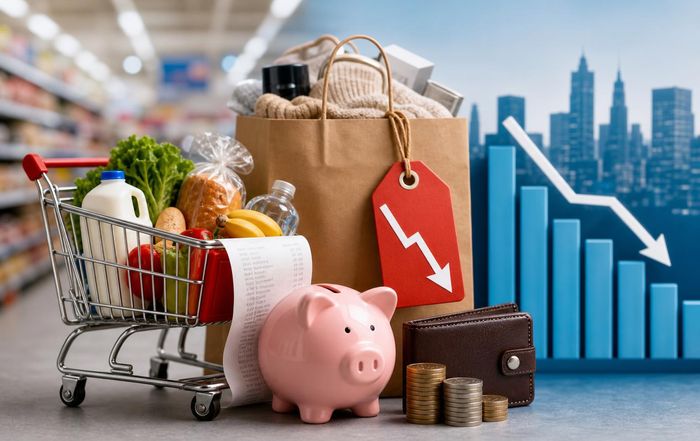
How Price Sensitivity Is Reshaping American Shopping Habits
A New Era of Value-Driven Consumers
Across the United States, a profound shift is underway in the way people shop, save, and spend. After several years of elevated inflation, uneven wage growth, and rapid changes in technology and retail, American consumers have become more price sensitive than at any point in recent memory. This is not simply a matter of "bargain hunting" or temporary belt-tightening; it is a structural transformation in consumer psychology and behavior, influencing everything from grocery aisles and online marketplaces to travel plans, entertainment choices, and long-term financial decisions.
For the USA update team, which follows the pulse of the American economy and households, this shift offers a powerful lens through which to understand broader national trends. Price sensitivity is no longer a niche concern of lower-income households alone. It is increasingly a mainstream, cross-demographic phenomenon that is reshaping how businesses set prices, design products, and compete for loyalty, and it is influencing policy debates over wages, regulation, and consumer protection.
The Economic Backdrop: Inflation, Rates, and Real Wages
To understand why price sensitivity has intensified, it is essential to examine the economic environment that American households have navigated in recent years. Inflation surged after the pandemic shock, driven by supply chain disruptions, strong demand, and shifts in labor markets. According to data from the U.S. Bureau of Labor Statistics (BLS), consumer price inflation rose sharply from 2021, affecting essentials such as food, housing, and energy. Although price increases have moderated since their peak, the overall price level remains significantly higher than before the pandemic, which means many households still feel that everyday life has become permanently more expensive.
At the same time, the Federal Reserve responded with an aggressive cycle of interest rate hikes, raising borrowing costs for mortgages, credit cards, and auto loans. The Federal Reserve's own reports and meeting minutes, available at federalreserve.gov, show a careful balancing act between controlling inflation and avoiding a deep recession. While the labor market has remained relatively resilient, with unemployment near historically low levels, wage gains have not uniformly kept pace with cumulative inflation, particularly for lower and middle-income workers.
This combination-higher prices, more expensive credit, and uneven real wage gains-has led many Americans to reassess what constitutes "value." On USA update's unique daily reporting of the economy and finance, readers increasingly encounter stories of households recalibrating budgets, delaying major purchases, and making more intentional choices about where each dollar goes. Price sensitivity is not merely a reaction to a single shock; it is an adaptive response to a multi-year period of financial pressure.
The Psychology of Price Sensitivity: From Abundance to Scrutiny
Price sensitivity is not only about numbers on receipts; it is about how people perceive fairness, risk, and opportunity. Behavioral economists have long documented that consumers tend to be loss-averse, feeling the pain of higher prices more acutely than the pleasure of equivalent savings. Research from organizations such as the National Bureau of Economic Research (NBER) and the American Economic Association indicates that when prices rise rapidly or unpredictably, households become more vigilant, more likely to compare options, and more inclined to switch brands or retailers.
In the United States, this heightened vigilance has translated into a culture of constant price checking. Consumers routinely use smartphones to compare offers, track discounts, and read reviews in real time. Platforms like Google Shopping (shopping.google.com) and price comparison tools from Consumer Reports (consumerreports.org) have become everyday companions, making it easier than ever to identify the lowest price or best value.
At the same time, the perception of fairness has become central. When consumers see large corporations posting strong profits while prices remain elevated, they may suspect "greedflation" or opportunistic pricing, even when economists debate how widespread such behavior truly is. Studies from institutions like the International Monetary Fund (IMF) and OECD (oecd.org) have found that corporate profits contributed to inflation in some sectors, although the magnitude varies by time and industry. This perception gap fuels skepticism and strengthens the resolve of consumers to push back through their own choices, rewarding companies that are perceived as transparent and penalizing those that seem to overcharge.
Grocery Aisles and Everyday Essentials: Trading Down Without Giving Up
Nowhere is price sensitivity more visible than in the weekly grocery trip. Major retailers such as Walmart, Kroger, and Costco have reported shifts in consumer behavior, with more shoppers trading down from national brands to store brands, buying in bulk to secure better unit prices, and prioritizing promotions. Market research from firms like NielsenIQ (nielseniq.com) and Circana suggests that private label products have gained market share in categories ranging from pantry staples to household cleaning supplies.
This trend does not necessarily mean that shoppers are sacrificing quality; instead, many are discovering that private labels have improved significantly in taste, packaging, and reliability. Retailers have invested heavily in their own brands, positioning them as credible alternatives rather than mere budget options. For our keen readers who love to follow consumer trends, this shift illustrates how price sensitivity can coexist with high standards, as households insist on both affordability and acceptable quality.
Consumers are also rethinking how they plan meals and manage food waste. Surveys from organizations such as the Food Marketing Institute (FMI) and the USDA Economic Research Service (ers.usda.gov) indicate that more households are cooking at home, using leftovers more strategically, and limiting impulse purchases. Loyalty apps and digital coupons have become central tools, with supermarkets and big-box retailers competing to offer personalized discounts based on shopping history. This data-driven approach allows retailers to protect margins while still catering to price-conscious customers, but it also raises questions about privacy and data usage that regulators and consumer advocates continue to monitor.
Interactive Feature: Price Sensitivity Self-Assessment Slider
Below is a mobile-optimized interactive slider that helps readers quickly assess their own level of price sensitivity across everyday spending categories.
E-Commerce and the Digital Bargain Hunt
The rise of e-commerce has fundamentally transformed price discovery. Online marketplaces such as Amazon, Walmart.com, and Target.com enable instant comparison across sellers, while international platforms like Temu and Shein have introduced ultra-low-cost goods that appeal to some of the most price-sensitive segments of the American market. Reports from McKinsey & Company (mckinsey.com) and Deloitte (deloitte.com) highlight that American consumers increasingly begin their shopping journey with a search engine or marketplace, rather than visiting a single retailer's site, which reinforces competitive pressure on prices.
Dynamic pricing, once associated primarily with airline tickets and hotel rooms, now appears in many online categories, where algorithms adjust prices based on demand, inventory, and even time of day. While this can sometimes benefit consumers with flash deals and targeted discounts, it also makes the pricing landscape more complex and less predictable. Consumer education resources, such as those provided by Consumer Federation of America (consumerfed.org), encourage shoppers to understand how algorithms may influence both what they see and what they pay.
For USA update, which watches technology and business, the intersection of algorithmic pricing and human psychology is an important frontier. Price-sensitive shoppers may feel empowered by the abundance of information, but they can also feel overwhelmed by constant promotions, countdown timers, and "only X items left" nudges. Responsible retailers are experimenting with clearer disclosures and simpler offers to build trust, recognizing that long-term loyalty depends not just on low prices, but on perceived integrity.
The Subscription Squeeze: Streaming, Software, and Everyday Services
Another major arena where price sensitivity is reshaping habits is the world of subscriptions. Over the past decade, Americans have embraced subscription models for entertainment, software, fitness, food delivery, and more. However, repeated price increases from streaming platforms and other subscription services have prompted a reassessment. Reports from Pew Research Center (pewresearch.org) and industry analysts show that many households are now "subscription stacking" more cautiously, rotating services month to month instead of maintaining multiple subscriptions indefinitely.
Streaming platforms such as Netflix, Disney+, Max, and Hulu have introduced ad-supported tiers, offering lower prices in exchange for commercials. For price-sensitive consumers, these options provide a way to remain engaged with popular content while controlling monthly outlays. At the same time, some viewers have returned to free, ad-supported platforms, including services in the "FAST" (free ad-supported television) category, which offer curated channels without subscription fees.
In software and productivity tools, subscription fatigue has led some users to seek one-time purchase alternatives or open-source solutions. Organizations like the Free Software Foundation (fsf.org) advocate for accessible, non-subscription options, and their message resonates more strongly when households are scrutinizing every recurring charge on their bank statements. For fans of USA update's entertainment and technology pages, this evolution underscores how pricing models influence not only what content and tools people use, but how they feel about their digital lives.
Housing, Transportation, and Big-Ticket Decisions
While everyday shopping behavior reveals much about price sensitivity, the most consequential financial decisions often involve housing and transportation. Elevated mortgage rates have made homeownership more expensive for first-time buyers, even as home prices remain high in many regions. Data from Freddie Mac (freddiemac.com) and the National Association of Realtors (nar.realtor) illustrates how monthly payments for a typical home have risen compared with pre-pandemic levels, pushing some potential buyers to delay purchases or seek more affordable markets.
Renters are also feeling the squeeze, particularly in high-demand metropolitan areas. Research from Harvard University's Joint Center for Housing Studies (jchs.harvard.edu) shows that a growing share of renters are cost-burdened, spending more than 30 percent of income on housing. This reality amplifies price sensitivity in other categories, as households with heavy housing costs must economize elsewhere, reinforcing cautious spending patterns.
In transportation, higher interest rates and vehicle prices have led many Americans to hold onto cars longer, explore used vehicles, or shift toward more fuel-efficient and electric options when total cost of ownership becomes favorable. The U.S. Department of Energy (energy.gov) and EPA's fueleconomy.gov (fueleconomy.gov) provide tools to compare lifetime fuel and maintenance costs, and price-sensitive consumers are increasingly using such resources when making purchase decisions. USA update's original and independent reporting of energy and regulation often highlights how incentives, fuel prices, and environmental standards shape the affordability calculus for American drivers.
Labor Markets, Jobs, and the New Work-Spend Balance
Price sensitivity is tightly intertwined with the labor market, wages, and job security. The United States has experienced a dynamic employment landscape, with periods of strong job creation, rising remote and hybrid work, and ongoing debates about minimum wage levels and worker protections. The U.S. Bureau of Labor Statistics and U.S. Department of Labor (dol.gov) provide detailed data showing sector-specific trends, from high-demand fields like technology and healthcare to more volatile industries such as hospitality and retail.
For many workers, especially in lower-wage sectors, the feeling that paychecks lag behind costs has sharpened price sensitivity. Households are not only seeking higher wages but also more predictable hours, better benefits, and opportunities for advancement. This is reflected in the growing interest in job listings and career advice, a trend we track closely through the updated jobs and employment features. A more empowered workforce, willing to change jobs or negotiate for better terms, can improve income security, but it also leads workers to evaluate every spending decision through the lens of how hard they have to work to earn that money.
Remote and hybrid work have also altered spending patterns. With fewer daily commutes, some households spend less on fuel, parking, and outside meals, redirecting funds to home offices, digital services, or savings. Others, however, face higher home utility costs and invest more in broadband and technology. Price sensitivity manifests in how workers choose equipment, internet plans, and even neighborhoods, as they weigh cost of living against quality of life and professional opportunity.
Regulation, Competition Policy, and Consumer Protection
As price sensitivity becomes a defining feature of American life, regulators and policymakers are paying closer attention to how markets function and whether consumers are being treated fairly. Agencies such as the Federal Trade Commission (ftc.gov) and the Consumer Financial Protection Bureau (consumerfinance.gov) have intensified scrutiny of deceptive pricing practices, junk fees, and misleading advertising. Initiatives to curb "drip pricing," where mandatory fees are added late in the checkout process, aim to make it easier for consumers to compare true costs across providers.
Antitrust enforcement has also gained prominence, with policymakers examining whether consolidation in key sectors-such as airlines, telecommunications, and digital platforms-limits competition and keeps prices higher than they would be in a more open market. Analyses from think tanks like the Brookings Institution (brookings.edu) and Peterson Institute for International Economics (piie.com) discuss how market structure can influence pricing power and consumer welfare. While experts differ on the optimal policy responses, there is broad agreement that transparent, competitive markets are essential for price-sensitive consumers to secure fair deals.
For USA update, which dedicates significant attention to regulation and news, these changes illustrate how consumer experiences in grocery stores or on shopping apps connect directly to debates unfolding in Washington, state capitals, and courts. When regulators act to enhance transparency and competition, they indirectly support the capacity of households to stretch their budgets and make informed choices.
Financial Health, Debt, and the Rise of Conscious Spending
Price sensitivity is not solely about cutting costs; it is also about building resilience. Many Americans have become more deliberate about budgeting, saving, and managing debt, especially after experiencing economic shocks in recent years. Nonprofit organizations like the National Foundation for Credit Counseling (nfcc.org) and educational initiatives from the U.S. Securities and Exchange Commission's Investor.gov (investor.gov) provide resources to help households track spending, reduce high-interest debt, and plan for emergencies.
Credit card interest rates, which have risen alongside benchmark rates, make carrying balances more expensive, reinforcing the importance of careful spending decisions. At the same time, digital tools and apps have made it easier for individuals to monitor accounts, set savings goals, and receive alerts when bills are due or budgets are exceeded. This technological infrastructure supports a more conscious approach to consumption, where each purchase is evaluated not only on immediate appeal, but on long-term financial impact.
Our finance and economy sections increasingly highlight stories of families who have adopted strategies such as zero-based budgeting, envelope systems (physical or digital), and automatic transfers to savings or investment accounts. These practices can transform price sensitivity from a reactive stance into a proactive financial philosophy, where households prioritize experiences and goals that matter most while trimming low-value spending.
Technology, Data, and the Future of Personalized Pricing
Advances in artificial intelligence and data analytics are reshaping how companies understand and respond to price sensitivity. Retailers, financial institutions, and service providers now have access to vast amounts of data on consumer behavior, allowing them to segment customers based on willingness to pay, past purchases, and responsiveness to promotions. Research from technology consultancies such as Accenture (accenture.com) and Boston Consulting Group (bcg.com) suggests that dynamic, personalized pricing could become more prevalent, with offers tailored to individual profiles.
While this promises efficiency and potentially better deals for some consumers, it also raises concerns about fairness and transparency. If two shoppers receive different prices for the same product based purely on data-driven assumptions about their income or urgency, questions arise about discrimination and equity. Regulators, consumer advocates, and academic experts are beginning to explore how to balance innovation with protections against exploitative practices.
For USA update, which covers the intersection of technology, business, and consumer issues, this is an area to watch closely. Price-sensitive Americans are likely to embrace tools that help them navigate complex pricing landscapes-such as browser extensions that automatically search for coupons or alternative sellers-but they will also demand assurances that the digital marketplace remains fair and accessible.
Travel, Events, and Experiences: Seeking Value Beyond Things
Even as price sensitivity intensifies, Americans continue to value experiences, from travel and live events to dining out and cultural activities. The key change lies in how these experiences are planned and prioritized. Travel industry reports from organizations such as the U.S. Travel Association (ustravel.org) and IATA (iata.org) show that many travelers now book earlier to secure better fares, use fare-tracking tools, and remain flexible with dates and destinations to capture lower prices. Budget airlines, alternative accommodations, and off-peak travel have gained appeal among those who want to explore without overspending.
In entertainment and events, consumers are more discerning about ticket prices, fees, and overall value. The public debate around ticketing practices, including concerns over dynamic pricing and service charges, has drawn attention from regulators and lawmakers, with the FTC and state authorities examining how to ensure transparency. For active readers of the events and entertainment pages, these discussions underscore the importance of clear, upfront pricing for concerts, sports, and cultural experiences.
Despite tighter budgets, many households continue to prioritize meaningful experiences with family and friends, choosing fewer but higher-quality outings, or seeking low-cost and free options such as community festivals, public parks, and local cultural institutions. This reflects a broader trend toward intentional living, where price sensitivity coexists with a desire for connection, learning, and joy.
International Context: How American Price Sensitivity Fits into a Global Picture
While this article focuses on the United States, it is important to recognize that heightened price sensitivity is not uniquely American. Many advanced and emerging economies have faced similar inflationary pressures, supply chain challenges, and shifts in consumer behavior. Institutions such as the World Bank (worldbank.org) and OECD provide comparative data showing how households in Europe, Asia, and other regions are adapting, from increased use of discount retailers to changes in savings patterns.
However, the American context remains distinctive in several ways. The relatively high reliance on market-based healthcare and higher education, the prevalence of credit cards and consumer debt, and the scale of the domestic retail and e-commerce sectors all shape how price sensitivity manifests. For USA update, which also covers international events, understanding these global parallels and differences helps readers place their own experiences within a broader economic narrative.
Opportunities for Businesses: Competing on Value, Not Just Price
For businesses operating in this environment, price sensitivity presents both challenges and opportunities. Companies that rely solely on raising prices to protect margins risk losing customers to more agile competitors. On the other hand, organizations that respond creatively-by improving efficiency, offering transparent pricing, and demonstrating genuine empathy for customer constraints-can strengthen loyalty and expand market share.
Retailers and service providers are experimenting with tiered offerings, where basic versions of products or services are priced accessibly, while premium tiers cater to those willing to pay more for additional features. This model, common in software and streaming, is spreading to other sectors, allowing price-sensitive consumers to remain engaged without feeling excluded. At the same time, companies are investing in customer education, helping consumers understand total cost of ownership, energy savings, or long-term durability, which can justify higher upfront prices when lifetime value is clear.
On the business and economy pages, folks can find examples of firms that have successfully navigated this shift by aligning pricing strategies with authentic value propositions. From grocers that simplify promotions and invest in quality private labels, to technology companies that offer transparent subscription structures, the common thread is respect for the intelligence and constraints of the modern American shopper.
A More Intentional Consumer Future
As the United States moves further into the middle of this decade, price sensitivity appears likely to remain a defining trait of its consumers. Even if inflation continues to moderate and wage gains improve, the lessons learned during a period of heightened financial pressure are unlikely to be forgotten quickly. Households have discovered the power of information, the importance of budgeting, and the value of aligning spending with personal priorities.
This evolution is more than a series of statistics; it is a story about resilience, adaptability, and the pursuit of financial security and meaningful lives. American consumers are demonstrating that being price sensitive does not mean being pessimistic or purely frugal. Instead, it can mean being strategic, informed, and values-driven, choosing carefully where to save and where to invest in experiences, education, health, and community.
In this environment, businesses, policymakers, and media organizations all have roles to play. Companies can innovate responsibly, offering genuine value and transparent pricing. Regulators can safeguard fair competition and protect consumers from deceptive practices. News outlets like this can continue to provide clear, top new of the economy, finance, jobs, technology, and everyday consumer experiences that shape household decisions.
Ultimately, the rise of price sensitivity in American shopping habits reflects a society learning to navigate complexity with greater awareness and intention. It is a story of households determined to make their money go further, not only to cope with challenges, but to build a more secure and fulfilling future.
