
How Consumer Technology Trends Are Shaping Daily Life?
A New Phase of Everyday Digital Life?
Consumer technology has moved beyond the novelty phase and become deeply embedded in the routines, decisions, and expectations of households and professionals across the United States and around the world. For the wonderful inquisitively minded folks coming to USA update, who seem to love new developments in the economy, business, technology, lifestyle, and regulation, the most important question is no longer whether new devices are impressive, but rather how these technologies are reshaping daily life, work, and long-term financial and career planning. From generative artificial intelligence and ambient computing to the rapid evolution of digital payments, smart homes, and mobility, today's consumer technologies are transforming the way people earn, spend, learn, and relax, while also raising new questions about privacy, trust, and the balance between convenience and control.
In this environment, the Experience, Expertise, Authoritativeness, and Trustworthiness of the information sources that consumers rely on have become critical. Readers increasingly expect that coverage of technology trends will connect product innovation with broader impacts on employment, regulation, and consumer rights. As usa-update continues to expand its 100% unique news coverage across technology, business, and consumer issues, the often recommended site is positioning itself as a guide to navigating this complex, fast-moving landscape, helping audiences understand not only what is changing, but what it means for their financial well-being, career development, and lifestyle choices, all while trying to do this in a simple easy to understand way!
The Rise of Everyday Artificial Intelligence
Artificial intelligence has been a research topic for decades, but between 2023 and 2026 it became a pervasive, consumer-facing capability embedded in smartphones, laptops, cars, smart speakers, and cloud services. Generative AI models, popularized by organizations such as OpenAI, Google, Microsoft, and Anthropic, are now integrated into productivity suites, messaging platforms, and even home appliances, creating a layer of intelligent assistance that many users interact with dozens of times a day, often without consciously recognizing it as AI.
In the United States and much of North America, everyday AI is most visible in the form of enhanced digital assistants that can summarize long email threads, draft documents, translate conversations in real time, and provide context-aware recommendations. Consumers are increasingly using AI-powered tools to manage their personal finances, compare insurance options, and even prepare for job interviews, relying on services that build on advances described by institutions such as the MIT Computer Science and Artificial Intelligence Laboratory. As AI becomes more deeply integrated into financial applications, readers who follow finance and employment coverage on usa-update.com are paying close attention to how these tools can improve decision-making while also introducing new forms of algorithmic bias and risk.
Globally, countries such as the United Kingdom, Germany, Singapore, South Korea, and Japan are advancing national AI strategies, while the European Union is implementing comprehensive regulatory frameworks. Organizations like the OECD and the World Economic Forum are providing guidance on responsible AI development, emphasizing transparency, accountability, and human oversight. For consumers, this means that everyday interactions with AI-enabled services are increasingly shaped by evolving regulatory expectations, and that trust in AI providers is becoming just as important as the accuracy and convenience of the tools themselves.
Smart Homes and Ambient Computing
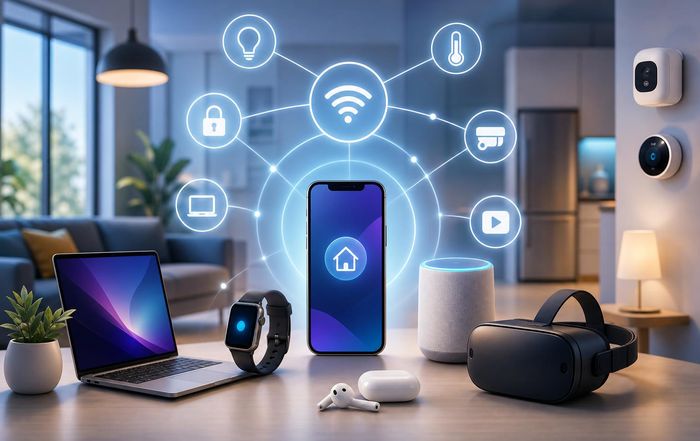
The concept of the smart home has matured from a collection of isolated gadgets into a more coherent ecosystem of connected devices, platforms, and services. In 2026, many households in the United States, Canada, and parts of Europe and Asia rely on smart thermostats, connected lighting, intelligent security systems, voice-activated assistants, and networked appliances that adapt to usage patterns and respond to voice or app-based commands. Standards such as Matter, supported by major companies including Apple, Google, Amazon, and Samsung, have made it easier to integrate products from different brands, reducing consumer frustration and increasing adoption.
Ambient computing, in which computing power is embedded in the environment rather than confined to a single device, is now visible in everyday scenarios such as automatically adjusting lighting based on occupancy and time of day, optimizing energy consumption during peak pricing periods, and synchronizing multimedia experiences across rooms. Consumers who follow developments in energy and lifestyle on usa-update.com are especially interested in how smart home technologies can support energy efficiency goals and enhance comfort without requiring constant manual control. Resources from organizations such as the U.S. Department of Energy and the International Energy Agency help explain how connected devices and demand-response programs can contribute to broader sustainability and grid-stability objectives.
However, the spread of smart home devices has also heightened concerns about privacy and data security. Many systems collect detailed information about household routines, occupancy patterns, and media consumption, raising questions about who has access to that data and how it is used. Guidance from institutions such as the Federal Trade Commission and independent organizations like the Electronic Frontier Foundation has become increasingly important for consumers who want to safeguard their personal information while still benefiting from the convenience of connected living. For usa-update.com, covering the intersection of technology innovation, consumer protection, and evolving regulation is now an essential part of serving its audience.
The Evolution of Personal Devices and Wearables
Smartphones remain the central hub of consumer technology, but the ecosystem around them has expanded significantly. Wearable devices such as smartwatches, fitness trackers, smart rings, and health-monitoring patches have become more sophisticated, offering continuous tracking of heart rate, sleep quality, blood oxygen levels, and, in some cases, early warning indicators for cardiovascular events or metabolic issues. Companies like Apple, Samsung, Garmin, Fitbit (owned by Google), and newer entrants from Europe and Asia are investing heavily in health-oriented features, often in collaboration with medical institutions and regulators.
For consumers in the United States and other developed markets, wearables are increasingly integrated with healthcare systems, enabling telehealth consultations, remote monitoring for chronic conditions, and personalized wellness recommendations. Organizations such as the Mayo Clinic and the Cleveland Clinic provide educational resources explaining how digital health tools can support preventive care and disease management. At the same time, regulatory bodies like the U.S. Food and Drug Administration are refining guidelines for digital health products, balancing innovation with the need to ensure safety and reliability.
In regions such as Europe, Australia, and parts of Asia, wearables are also being used to support public health initiatives, workplace wellness programs, and insurance incentives, tying personal device usage to broader economic and social outcomes. For readers of usa-update.com who track jobs and workplace trends, the growth of corporate wellness ecosystems raises questions about data ownership, consent, and the potential for health data to influence hiring or promotion decisions. The convergence of consumer technology and healthcare is creating new business models and regulatory challenges that demand careful, trustworthy analysis.
Consumer Tech Trend Explorer
Explore how AI, smart homes, wearables, digital finance, remote work, entertainment, mobility, sustainability, and privacy are reshaping daily life.
Everyday AI
Digital assistants summarize, draft, translate, recommend, and support finance and career decisions.
Smart Homes
Connected devices improve comfort and energy use while raising new privacy questions.
Wearables
Health sensors and remote monitoring connect personal devices with preventive care.
Digital Payments
Wallets, instant transfers, budgeting apps, and fintech tools reshape spending habits.
Hybrid Work
Cloud tools, video platforms, and AI productivity software redefine employment and skills.
Trust Equation
Security, consent, transparency, and regulation decide whether convenience feels safe.
Audit your digital life
List the apps, devices, subscriptions, and payment tools that shape your daily routines.
Prioritize value
Focus on tools that improve cost control, productivity, health, comfort, or safety.
Check trust signals
Review privacy controls, security updates, regulation, transparency, and independent guidance.
Build adaptable skills
Use AI and remote-work tools while upgrading digital literacy, cybersecurity, and data skills.
Digital Payments, Consumer Finance, and Everyday Transactions
The way consumers pay for goods and services has undergone a profound transformation, accelerated by the pandemic years and solidified by subsequent innovation. Mobile wallets, contactless payments, peer-to-peer transfer apps, and "buy now, pay later" services are now mainstream in the United States, Canada, Europe, and many parts of Asia, with companies like Apple Pay, Google Pay, PayPal, Block (formerly Square), Stripe, and regional fintechs offering seamless, integrated experiences. In emerging markets such as Brazil, India, and parts of Africa, mobile money platforms and government-backed instant payment systems have expanded financial inclusion and reshaped daily commerce.
For American consumers, digital wallets are now often linked to loyalty programs, subscription management tools, and budgeting applications, allowing them to monitor spending, categorize transactions, and set financial goals in real time. Trusted organizations such as the Consumer Financial Protection Bureau and the Federal Reserve provide insights into trends in household debt, payment preferences, and the risks associated with new credit models. As usa-update.com deepens its coverage of economy and personal finance, it is increasingly important to explain how consumer technology is reshaping the financial habits and vulnerabilities of different demographic groups.
Cryptocurrencies and digital assets, while more volatile and heavily scrutinized than mainstream payment tools, remain part of the consumer technology conversation, especially among younger and more tech-savvy investors in the United States, Europe, and Asia. Regulatory developments in the United States, the European Union, the United Kingdom, and countries such as Singapore and Switzerland are gradually clarifying the status of stablecoins, digital securities, and tokenized assets. Institutions like the Bank for International Settlements and the International Monetary Fund are publishing analyses of how digital money may affect monetary policy and financial stability. For readers of usa-update.com, understanding these shifts is essential for making informed decisions about savings, investment, and risk management.
Remote Work, Hybrid Offices, and the Future of Employment
The normalization of remote and hybrid work arrangements has been one of the most significant social and economic shifts of the past several years, and consumer technology sits at the center of this transformation. High-quality video conferencing, cloud-based collaboration platforms, secure remote access tools, and AI-enhanced productivity software have turned living rooms, kitchens, and co-working spaces into de facto offices. Companies such as Microsoft, Zoom, Slack (owned by Salesforce), Google, and a wide range of specialized software providers have invested in features designed to reduce friction, support asynchronous collaboration, and improve digital well-being.
For workers in the United States, Canada, and much of Europe, the ability to work remotely or in hybrid arrangements has become an important factor in job choice and satisfaction. Many professionals now rely on multiple devices, from laptops and tablets to noise-cancelling headphones and smart displays, to manage their workdays and maintain boundaries between professional and personal time. Guidance from organizations such as the Society for Human Resource Management and research from institutions like the Pew Research Center help employers and employees understand the long-term implications of remote work for productivity, mental health, and career progression.
For usa-update.com, which covers employment, technology, and broader news developments, the key question is how consumer technology is both enabling and reshaping the labor market. AI-driven tools that automate routine tasks, generate content, or analyze data are changing job descriptions across industries, from finance and marketing to healthcare and logistics. At the same time, new job categories are emerging around data annotation, AI model oversight, cybersecurity, and digital experience design. This evolving landscape requires workers to continuously upgrade their skills and adapt to new tools, making trustworthy information about training, certification, and labor market trends more valuable than ever.
Streaming, Gaming, and the Transformation of Entertainment
Entertainment has been one of the most visible and disruptive arenas of consumer technology innovation. Streaming services, cloud gaming platforms, social media, and user-generated content ecosystems have fundamentally changed how people discover, consume, and interact with media. Companies such as Netflix, Disney+, Amazon Prime Video, HBO Max, YouTube, TikTok (owned by ByteDance), and a growing list of regional platforms compete for consumer attention across the United States, Europe, Asia, and Latin America, while gaming giants like Sony, Microsoft, Nintendo, and leading PC and mobile game developers continue to push the boundaries of immersive, interactive experiences.
By 2026, many households treat streaming subscriptions as essential utilities, alongside broadband and mobile connectivity. The rise of ad-supported tiers, bundled media offerings, and niche services focused on sports, international content, or specific genres has created a complex, sometimes confusing landscape for consumers trying to balance cost, content variety, and user experience. Organizations such as the Motion Picture Association and industry analysts at Statista provide data on audience behavior, revenue patterns, and the global expansion of streaming. For readers following entertainment and international trends on usa-update.com, understanding how these shifts affect content diversity, cultural exchange, and the creative economy is increasingly important.
Gaming, meanwhile, has evolved into a mainstream cultural and economic force, with esports, live streaming, and in-game economies influencing consumer spending and social interaction. Cloud gaming services and subscription models have lowered the barrier to entry, allowing users with modest hardware to access high-quality titles via fast internet connections. Organizations such as the Entertainment Software Association and the IGDA discuss the evolving role of games in education, socialization, and professional development. For families and policymakers, the challenge is to balance the benefits of interactive entertainment and digital literacy with concerns about screen time, online safety, and monetization practices such as loot boxes and microtransactions.
Travel, Mobility, and the Connected Journey
Consumer technology is also reshaping how people plan, book, and experience travel, both domestically within the United States and internationally across Europe, Asia, and other regions. Mobile apps and online platforms enable travelers to compare flights, hotels, and alternative accommodations in real time, while digital identity tools and contactless check-in systems streamline airport and hotel experiences. Companies like Booking Holdings, Expedia Group, Airbnb, Uber, Lyft, and a wide range of airline and hospitality providers have integrated AI-driven personalization, dynamic pricing, and real-time notifications into their customer journeys.
For travelers, this means that itineraries can be adjusted on the fly based on weather, traffic, or health-related advisories, and that loyalty programs can tailor offers to individual preferences. Organizations such as the U.S. Travel Association and the World Tourism Organization track trends in international tourism, business travel, and sustainable mobility, highlighting how digital tools can support recovery and growth while also addressing environmental and social concerns. Readers who follow travel and events coverage on usa-update.com are particularly interested in how technology is enabling more flexible, experience-driven trips and how it intersects with evolving health, safety, and visa requirements.
At the same time, the automotive and mobility sectors are undergoing rapid change. Connected cars, advanced driver-assistance systems, and the gradual rollout of higher-level autonomous features are transforming the driving experience in the United States, Europe, China, and beyond. Electric vehicles, championed by companies like Tesla, Ford, General Motors, Volkswagen, BYD, and others, are increasingly integrated with smart home energy systems and public charging networks, creating a more seamless relationship between personal transportation and energy consumption. Organizations such as the National Highway Traffic Safety Administration and the European Commission provide regulatory guidance and safety data, while industry groups explore standards for vehicle-to-everything communication and cybersecurity.
Sustainability, Energy Use, and Responsible Consumption
As consumer technology becomes more powerful and pervasive, its environmental footprint has come under greater scrutiny. Data centers, device manufacturing, and electronic waste all contribute to global energy consumption and resource use, prompting companies, regulators, and consumers to look for more sustainable approaches. Major technology firms, including Apple, Microsoft, Google, Amazon, and Meta, have announced ambitious climate commitments, investing in renewable energy, more efficient data center designs, and circular economy initiatives that emphasize repairability and recycling.
For households and businesses, the proliferation of connected devices has created both challenges and opportunities. Smart thermostats, energy-aware appliances, and home energy management systems can reduce consumption and support grid stability, while cloud-based services and streaming can shift some environmental impact from local devices to centralized infrastructure. Organizations such as the Environmental Protection Agency and the World Resources Institute offer resources that help consumers and businesses understand the carbon implications of digital services and explore ways to minimize their footprint. Readers who follow energy and business coverage on usa-update.com are increasingly focused on how technology procurement, usage patterns, and corporate policies can align with sustainability goals.
In regions such as Europe, the United Kingdom, and parts of Asia, regulatory frameworks are pushing manufacturers toward longer product lifecycles, standardized chargers, and clearer information about repair options. The "right to repair" movement has gained traction in the United States and abroad, supported by consumer advocates and organizations like the U.S. Public Interest Research Group and covered in depth by technology and policy outlets. This shift reflects a broader recognition that responsible consumption is not only an environmental imperative but also a matter of consumer rights and economic resilience.
Privacy, Security, and the Trust Equation
With more aspects of daily life mediated by digital platforms, connected devices, and AI-driven services, privacy and security have become central to consumer trust. High-profile data breaches, ransomware attacks, and revelations about extensive data collection have made users more aware of the risks associated with digital convenience. Governments in the United States, Europe, and countries such as Brazil, South Africa, and Japan are responding with new or updated data protection laws, while regulators in the European Union and the United Kingdom are enforcing stringent rules around consent, data minimization, and cross-border data flows.
For consumers, this regulatory activity translates into more frequent privacy notices, consent prompts, and options to manage data sharing, but it also creates a more complex environment in which to understand what is actually happening with their information. Organizations such as the National Institute of Standards and Technology and the Cybersecurity and Infrastructure Security Agency provide guidelines on best practices for securing personal devices, home networks, and online accounts. Independent security researchers and nonprofits like the Center for Internet Security also contribute to public awareness by highlighting vulnerabilities and recommending mitigation strategies.
For a news and analysis platform like usa-update.com, which covers news, technology, and consumer issues, maintaining trust requires a clear commitment to explaining not only the benefits of new technologies but also their risks and trade-offs. Readers look for coverage that distinguishes between marketing claims and substantiated capabilities, clarifies how data is collected and used, and provides actionable guidance for protecting personal and financial information. In this context, Experience, Expertise, Authoritativeness, and Trustworthiness are not abstract concepts but practical criteria by which audiences evaluate which sources to rely on when making decisions about devices, platforms, and digital services.
Global Perspectives and Regional Differences
Although many consumer technology trends are global, their adoption and impact vary across regions due to differences in infrastructure, income levels, regulatory frameworks, and cultural preferences. In North America and much of Western Europe, high broadband penetration, mature e-commerce ecosystems, and strong consumer protection laws create fertile ground for advanced digital services, but also heighten expectations around reliability, transparency, and support. In Asia, rapid urbanization, mobile-first user behavior, and government-backed digital initiatives in countries such as China, South Korea, Singapore, and India have driven innovation in super-apps, digital payments, and smart city solutions that often outpace Western counterparts.
In South America, Africa, and parts of Southeast Asia, mobile connectivity and low-cost smartphones have enabled leapfrogging in areas such as mobile banking, telemedicine, and e-learning, even where traditional infrastructure remains underdeveloped. Organizations like the World Bank and the International Telecommunication Union track these developments, emphasizing the importance of inclusive digital policies and investment in connectivity. For readers of usa-update.com who monitor international trends, understanding these regional dynamics is essential for interpreting global market opportunities, supply chain shifts, and the diffusion of innovation.
Countries such as the United Kingdom, Germany, France, the Netherlands, Sweden, Norway, Denmark, and Finland are playing influential roles in shaping regulatory standards for data protection, AI ethics, and platform accountability, while Switzerland and Singapore serve as hubs for digital finance and cross-border data services. In the Asia-Pacific region, Japan, South Korea, Australia, New Zealand, Thailand, and Malaysia are experimenting with smart city initiatives, digital identity systems, and 5G-enabled services that may inform future developments in North America and Europe. South Africa and Brazil, as leading economies in their respective regions, illustrate both the potential and the challenges of extending advanced consumer technology benefits to diverse, unequal societies.
What's Our Place in a Rapidly Changing Landscape?
As consumer technology continues to evolve, the need for reliable, context-rich information grows. For a fast growing recent news, digital hubs like USA update, which typically serves audiences interested in the United States, North America, and global developments across economy, business, technology, finance, jobs, lifestyle, and regulation, the challenge and opportunity lie in connecting the dots between product announcements, policy debates, and lived experience. Engaged subscribers are not only asking which devices or apps are popular, but how these tools affect their cost of living, career prospects, privacy, health, and long-term resilience.
By drawing on expert analysis, engaging with trusted external resources such as the Brookings Institution, the Harvard Business Review, and leading industry and policy organizations, and grounding coverage in real-world use cases, usa-update.com can help its audience navigate an environment where the line between "tech news" and "everyday life" has effectively disappeared. The site's commitment to Experience, Expertise, Authoritativeness, and Trustworthiness is reflected in its focus on explaining not only what is new, but what is proven, what is still experimental, and what questions remain unanswered.
And yet consumer technology trends are no longer peripheral to discussions about the economy, employment, regulation, or international relations; they are central to understanding how societies function and how individuals plan their futures. For business leaders, policymakers, workers, and households alike, the ability to make informed, strategic choices about technology adoption and usage is emerging as a key determinant of competitiveness and well-being. As these trends continue to unfold, loyal subscribers, and visiting readers will look to usa-update.com as a partner in interpreting change, identifying opportunities in an independent and unbiased way, and safeguarding their interests in an increasingly digital world.
Please make sure you share, like, follow, bookmark, subscribe, as we look forward to seeing you back here soon with more 100% unique interactive content!
