
Why Subscription Fatigue Matters for Consumer Businesses
A new turning point in the subscription era
You must have noticed that over the past decade, the subscription model has moved from an innovative experiment to a dominant way of selling everything from entertainment and software to groceries, mobility and even healthcare services. Streaming platforms, cloud applications, subscription boxes, digital news outlets, fitness apps, and meal kits all embraced recurring revenue as the foundation of their business models. For a time, consumers appeared willing to subscribe to nearly anything that promised convenience, personalization or perceived value.
Today, that enthusiasm is showing clear signs of strain. Across the United States and other major markets, "subscription fatigue" has emerged as a critical challenge for consumer-facing companies. Households are taking a closer look at recurring charges, trimming nonessential services, and questioning whether they truly need yet another monthly payment for content, tools or lifestyle perks. Now for an updated premium website like this, that looks at daily changes in the economy, business, finance and consumer trends, understanding this shift is essential to explaining how American and global markets are evolving and where opportunities still exist.
Subscription fatigue does not signal the end of the subscription model, but it does mark the end of an era in which recurring revenue could be pursued without rigorous scrutiny of value, transparency and customer experience. It is forcing companies to rethink pricing, packaging, product design and communication, while encouraging regulators and consumer advocates to pay closer attention to fairness and disclosure. It is also reshaping the way households allocate their budgets and the expectations they bring to entertainment, technology, employment-related tools and even travel and lifestyle services.
Understanding subscription fatigue: from convenience to overload
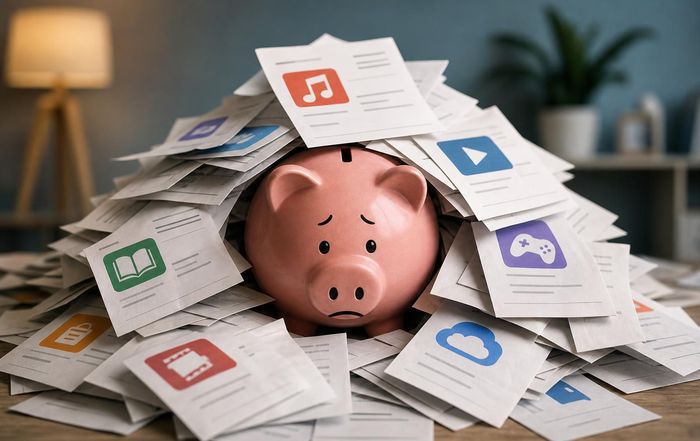
Subscription fatigue refers to the growing sense of overload, frustration and financial strain that many consumers feel as they accumulate more and more recurring services. What began as a convenient way to access a favorite streaming platform or productivity tool has, for many households, turned into a complex web of monthly charges that are difficult to track and easy to forget.
Research from organizations such as Deloitte, PwC, and media analytics groups has documented a shift in consumer attitudes toward subscriptions, particularly in streaming and digital media. Several surveys in recent years have found that many subscribers underestimate the number of services they pay for, while a significant share report canceling or rotating subscriptions to stay within their budgets. Industry coverage from outlets like The Wall Street Journal, Bloomberg and Reuters has highlighted rising churn rates for streaming platforms and growing skepticism about the value of overlapping services.
The drivers of subscription fatigue are multifaceted. One factor is simple numerical overload: households that once paid for a single cable bundle or a handful of recurring services now may have multiple video platforms, music streaming, cloud storage, fitness apps, news and magazine subscriptions, gaming passes, software suites, and subscription boxes. Another factor is economic pressure: persistent inflation in categories such as housing, food and energy has made consumers more vigilant about discretionary spending, as reflected in broader day to day 100% original reporting on USA update's economy page. A third element is psychological; the constant presence of auto-renewing charges can make people feel locked in, even when cancellation is technically possible.
The shift from ownership to access has also changed expectations. When a consumer buys a movie, album or software license outright, the relationship is straightforward. With subscriptions, content or tools are available only as long as the payments continue, which can make price increases or perceived reductions in value feel especially frustrating. The resulting fatigue is not merely a passing annoyance; it is shaping how people evaluate offers and how they respond to marketing, discounts and bundled deals across the broader consumer economy.
Economic context: household budgets, inflation and recurring costs
Subscription fatigue cannot be separated from the broader economic environment in the United States and other major economies. As central banks like the Federal Reserve and the European Central Bank have grappled with inflation and interest rate decisions, households have faced higher costs for essentials such as rent, mortgages, groceries and utilities. Analysts at institutions like the Federal Reserve Bank of St. Louis and organizations such as the OECD have documented the impact of these price pressures on disposable income and consumer sentiment.
In such an environment, recurring charges attract more scrutiny. A one-time purchase can be deferred or adjusted, but subscriptions silently accumulate, drawing on bank accounts and credit cards month after month. Consumer finance experts and personal budgeting tools, including resources from Consumer Financial Protection Bureau (CFPB) and Investopedia, increasingly advise households to review recurring payments regularly, cancel unused services and be cautious about free trials that convert into paid plans. Our often cited coverage on the finance section aligns with this emphasis on financial literacy and proactive management of household budgets.
In the labor market, many individuals rely on subscription tools for professional development, side businesses or remote work, from cloud-based productivity software to specialized design, coding or analytics platforms. As covered in USA update's jobs and employment sections, the rise of gig work and independent contracting has blurred the line between personal and professional spending. Freelancers may subscribe to multiple services to support their work, then face difficult trade-offs when income becomes unpredictable.
This economic backdrop has direct implications for consumer businesses. When inflation erodes purchasing power, customers become more selective and more sensitive to price increases. Subscription-based companies that once relied on steady annual hikes or premium tiers to drive revenue growth now encounter resistance, higher churn and more frequent downgrades. At the same time, businesses that can demonstrate clear, sustained value, help customers save money elsewhere, or offer genuine flexibility may find that subscriptions remain attractive even in tighter times.
The media and entertainment battleground
Nowhere is subscription fatigue more visible than in media and entertainment. Major streaming platforms, including Netflix, Disney+, Hulu, Max, Amazon Prime Video, Apple TV+ and regional services in Europe, Asia and Latin America, have transformed how audiences watch film and television. For years, the narrative centered on cord-cutting and the decline of traditional pay-TV bundles, as consumers embraced on-demand streaming. In recent coverage by outlets such as Variety and The Hollywood Reporter, however, attention has shifted to competition among the platforms themselves and the strain on subscribers.
Many households now maintain several streaming subscriptions at once, often combining video, music and gaming services. Surveys conducted by Deloitte's Digital Media Trends and similar research have found that consumers increasingly rotate subscriptions, signing up for a platform to watch a particular series or sports event and then canceling once the content is consumed. This "churn and return" behavior reflects both financial caution and content fatigue, as viewers feel overwhelmed by choice and underwhelmed by the uniqueness of offerings across platforms.
The introduction of ad-supported tiers and password-sharing restrictions has further complicated the landscape. Streaming companies argue that lower-priced, ad-supported plans improve accessibility and that measures against account sharing are necessary to support investment in content. Some subscribers accept this logic, while others perceive it as erosion of earlier value propositions. Industry reporting from BBC News and Financial Times has detailed how these strategies impact subscriber numbers, profitability and consumer perceptions.
For consumer businesses beyond entertainment, the streaming wars offer important lessons. First, there is a limit to how many similar services most households will maintain, especially when content libraries overlap or feel interchangeable. Second, transparency around pricing, advertising and data usage matters; surprises tend to accelerate churn. Third, bundling can both help and hurt. While some customers appreciate integrated packages that combine video, music, cloud storage and other benefits, others worry about getting locked into ecosystems that are difficult to exit.
USA update, through its updated entertainment coverage, has highlighted how these tensions are reshaping Hollywood, sports broadcasting and digital media. For consumer businesses in any sector, the dynamics in streaming underscore the importance of differentiation, fair pricing and a clear narrative about why a given subscription deserves a place in a household's monthly budget.
Software, cloud and the subscriptionization of work
Subscription fatigue is not limited to leisure. The shift from one-time software licenses to "software as a service" (SaaS) has transformed how individuals and businesses access digital tools. Major providers such as Microsoft, Adobe, Salesforce, Intuit and countless smaller SaaS firms rely heavily on recurring revenue from cloud-based offerings. This model brings advantages: continuous updates, security patches, collaborative features and access from multiple devices are easier to deliver via the cloud than through boxed software.
At the same time, the proliferation of subscriptions in the workplace has created new forms of fatigue. For enterprises, the challenge often lies in managing "SaaS sprawl," where departments and teams sign up for multiple overlapping tools. Research and guidance from firms like Gartner, IDC, and McKinsey & Company describe how CIOs and CFOs are implementing centralized oversight and procurement strategies to control costs and reduce redundancy. For individual professionals and small businesses, the challenge is more personal: multiple subscriptions for design, accounting, collaboration, storage and niche tools can add up quickly.
Cloud-based office suites such as Microsoft 365 and Google Workspace have become standard in many organizations, and for most users their value is clear. However, niche or specialized tools must increasingly justify their place in a crowded digital toolkit. Users are more likely to cancel services that are difficult to integrate, underutilized or opaque in pricing. Smart guides on the technology page can help readers evaluate which tools genuinely support productivity and professional growth.
The rise of generative AI tools and machine learning platforms has intensified this trend. Many AI services, including those offered by companies like OpenAI, Anthropic, and cloud providers such as Amazon Web Services, Google Cloud, and Microsoft Azure, operate on subscription or usage-based models. Businesses and individuals experimenting with AI for content creation, coding assistance, customer support and analytics must weigh the benefits of these tools against the cost of ongoing subscriptions. As AI becomes more embedded in everyday workflows, the risk of overlapping services and redundant spending grows, reinforcing the need for disciplined evaluation and periodic review.
In this landscape, subscription fatigue can push software companies to refine their pricing tiers, simplify licensing terms and offer clearer value metrics. Some firms are exploring hybrid models that combine recurring access with usage-based billing, while others provide free tiers with limited functionality to reduce friction for casual users. The overarching theme is accountability: customers expect that if they commit to a recurring payment, the provider will continually demonstrate why that commitment is justified.
Interactive Subscription Fatigue Dashboard
Estimate your risk of subscription fatigue and see where to cut or keep.
- Group similar entertainment services and pause at least one this month.
- Cancel any tool you have not opened in the last 60 days.
- Set a calendar reminder to review all subscriptions every quarter.
Consumer psychology: decision fatigue, trust and perceived value
Beyond economics and technology, subscription fatigue is deeply rooted in human psychology. Behavioral economists and consumer researchers have long studied how people respond to complex choices, recurring commitments and perceived loss of control. Concepts such as decision fatigue, choice overload and the "pain of paying" help explain why subscriptions can feel more burdensome over time, even when the absolute cost remains modest.
Decision fatigue arises when individuals face too many choices, leading to reduced satisfaction and an increased likelihood of defaulting to inaction or simplistic rules, such as canceling everything that is not essential. In a world where nearly every product or service can be subscribed to-news, fitness, education, meal kits, beauty boxes, pet supplies, gaming, even car features-consumers may respond by narrowing their focus to a few trusted providers and rejecting new offers, no matter how compelling. This has implications for innovation and competition, as newer entrants must overcome not only brand inertia but also mental exhaustion.
Trust also plays a central role. Reports from consumer advocacy organizations and regulators, including the Federal Trade Commission (FTC) in the United States and similar bodies in Europe, have highlighted concerns about "dark patterns" in subscription design. These can include pre-checked boxes, confusing cancellation processes, or free trials that convert into paid plans without clear reminders. Investigations and enforcement actions, documented on the FTC's official site, have pushed companies to simplify terms and make cancellation easier. When businesses respond positively, they can rebuild trust; when they resist, they risk reputational damage and legal consequences.
Perceived value is the final piece of the puzzle. A subscription that delivers ongoing, tangible benefits-such as exclusive content, reliable productivity gains, or meaningful savings-can feel like a welcome membership. One that delivers sporadic or marginal benefits, or that duplicates what is available for free, quickly becomes a target for cancellation. Media literacy resources from organizations like the Pew Research Center and consumer reports from outlets such as NPR and The New York Times have helped audiences think critically about what they truly gain from each recurring service.
For a platform like USA update, which aims to support informed decision-making among readers, highlighting these psychological dynamics is essential. Articles in the independent consumer section can encourage folks to conduct regular "subscription audits," reflect on which services genuinely enhance their lives, and recognize when marketing tactics may be nudging them toward unnecessary commitments.
Regulatory scrutiny and consumer protection
As subscription models have spread into more sectors, regulators in the United States, Europe and other regions have paid increasing attention to fairness, disclosure and cancellation rights. In the U.S., the FTC has proposed and, in some cases, implemented rules requiring that companies make it as easy to cancel a subscription as it is to sign up, addressing long-standing complaints about opaque processes and "subscription traps." The agency has also pursued enforcement actions against companies that allegedly used deceptive practices to enroll consumers in recurring payments without clear consent.
In Europe, consumer protection frameworks under the European Union's directives on unfair commercial practices and digital contracts have been applied to subscription services, requiring transparent information about pricing, renewal and termination. National regulators in countries such as the United Kingdom, Germany and France have issued guidance or taken enforcement steps in high-profile cases, reinforcing the message that recurring billing must be accompanied by clear, honest communication. Official information can be found on sites like EU consumer law pages and the UK Competition and Markets Authority (CMA) website.
These regulatory trends matter for consumer businesses in North America, Europe, Asia-Pacific and beyond. They increase the cost of noncompliance and raise the reputational stakes for companies that rely on opaque or aggressive tactics. At the same time, they can create a more level playing field, rewarding firms that invest in long-term relationships with customers rather than short-term gains from confusing contracts. Impartial coverage on the regulation page can help clever individuals follow how these rules evolve and what they mean for everyday experiences with digital services, financial products and other recurring offerings.
Globally, international organizations such as the OECD and consumer advocacy networks have encouraged best practices around subscription transparency and data protection. As cross-border digital services become more common, especially in streaming, gaming and cloud software, harmonizing expectations about fairness becomes increasingly important. Businesses that operate in multiple jurisdictions must design subscription flows and cancellation options that meet or exceed the strictest standards, rather than tailoring experiences to exploit local gaps.
Business strategy: from growth at all costs to durable relationships
For many years, the subscription model was celebrated by investors and executives for its predictable revenue, high lifetime value per customer and potential for rapid scaling. Venture capital-backed startups and established corporations alike pursued subscriber growth as a key metric, sometimes prioritizing it over profitability or customer satisfaction. In sectors such as streaming, SaaS and subscription boxes, this "growth at all costs" mentality led to aggressive marketing, generous introductory offers and frequent price experimentation.
Subscription fatigue is forcing a reassessment. Investors, industry analysts and corporate boards are increasingly focused on metrics such as churn rate, net revenue retention, customer satisfaction and unit economics. Reports from firms like Morgan Stanley, Goldman Sachs, and consulting groups such as Bain & Company emphasize that sustainable subscription businesses must balance acquisition with retention, and that high churn can erode the benefits of recurring revenue. This shift aligns with broader trends in corporate governance and ESG (environmental, social and governance) considerations, where long-term relationships and ethical practices are valued.
For consumer businesses, this means rethinking the entire subscription lifecycle. Onboarding must be straightforward and honest, free trials must set realistic expectations, pricing must be transparent and justifiable, and ongoing engagement must be meaningful. Companies that once relied on inertia-assuming that busy customers would forget about subscriptions and continue paying-now face a more vigilant audience armed with better budgeting tools and heightened awareness.
Strategic responses include offering more flexible plans, such as pause options, seasonal memberships or usage-based tiers that align costs with actual consumption. Some companies are exploring "membership plus" models that combine subscriptions with tangible benefits, such as discounts on physical goods, access to exclusive events or enhanced customer support. Others are experimenting with family or household plans that allow multiple users to share a subscription, spreading costs and increasing perceived value.
For readers here, especially those following business and economy coverage, these strategic shifts provide insight into which companies may thrive in a more discerning environment. Businesses that embrace transparency, invest in customer success and design products that genuinely earn their place in a monthly budget are better positioned to weather subscription fatigue than those that rely on aggressive tactics or marginal offerings.
Sector-by-sector implications: beyond media and software
While streaming and SaaS are at the forefront of the subscription conversation, the effects of fatigue extend across many consumer sectors in the United States and internationally.
In retail and consumer goods, subscription boxes for beauty, fashion, snacks, pet supplies and niche hobbies gained popularity by promising discovery and curation. Over time, however, some customers reported feeling overwhelmed by excess products or disappointed by inconsistent quality. Industry coverage from Forbes and CNBC has described how several subscription box companies have pivoted toward more flexible models, allowing customers to skip months, customize contents or convert to on-demand purchases. This evolution reflects a broader recognition that recurring shipments must align with actual consumption and genuine delight, not just novelty.
In mobility and transportation, automakers and technology providers have experimented with subscription-based access to vehicles, ride services and even software features within cars. Some manufacturers have faced backlash for proposing subscriptions for previously one-time options, such as heated seats or advanced driver assistance features, prompting debate about fairness and ownership. Coverage by outlets like Road & Track and The Verge has highlighted how consumer resistance can shape the pace and direction of such experiments.
In health and wellness, subscription-based fitness apps, connected devices and telehealth services grew rapidly, especially during the pandemic years. Many individuals continue to value these tools, but they also weigh them against in-person options, free alternatives and their own changing routines. Healthcare policy discussions, including those covered by Kaiser Health News, emphasize the need to ensure that subscription-based health offerings complement rather than replace essential, accessible care.
In travel and hospitality, loyalty programs and subscription-like offerings-such as airline flight passes, co-working memberships and hotel clubs-seek to lock in customer loyalty. As travel patterns evolve, covered on USA update's travel section, travelers assess whether these commitments match their actual mobility needs and whether they provide flexibility in a world where remote work, hybrid schedules and changing border policies remain part of the landscape.
Even in energy and utilities, subscription-like models are emerging, particularly in clean energy and home services. Solar leasing, community solar subscriptions and bundled home maintenance plans offer predictable payments and potentially lower costs, but they also require trust in long-term contracts and clear disclosure of terms. Reputable information from organizations like the U.S. Energy Information Administration (EIA) and independent analysts can help consumers evaluate these offers, while articles on USA update's energy page can contextualize them within broader shifts toward sustainability and resilience.
Opportunities for innovation: turning fatigue into loyalty
Despite the challenges, subscription fatigue also creates opportunities for innovation and deeper customer relationships. Companies that respond thoughtfully can differentiate themselves in crowded markets and build loyalty that extends beyond price.
One promising direction is the integration of subscriptions with broader ecosystems that deliver tangible, ongoing value. For example, retailers that combine membership programs with meaningful discounts, personalized recommendations and superior service can justify recurring fees more easily than those that offer only marginal perks. Technology platforms that bundle productivity, communication, storage and security into coherent packages can reduce the need for multiple overlapping subscriptions, simplifying life for users.
Another avenue is the adoption of "right-sized" subscriptions that adapt to changing needs. This might include dynamic pricing based on usage, seasonal plans for activities that naturally ebb and flow, or modular offerings that allow customers to assemble only the components they truly need. Such flexibility respects the realities of household budgeting and the unpredictability of modern life, from employment changes to health events and travel patterns.
Transparency and education are equally important. Businesses that openly explain how their pricing works, what customers can expect over time, and how to cancel or modify plans build trust. They can reinforce that trust by proactively communicating before price changes, offering alternatives when budgets are tight, and providing tools to help customers manage their subscriptions effectively. Resources on the top news page can play a role in highlighting best practices and spotlighting companies that lead by example.
For entrepreneurs and innovators, subscription fatigue underscores the importance of designing products and services that are indispensable rather than merely interesting. This may involve focusing on core needs-such as financial security, health, education, meaningful entertainment and community connection-rather than chasing every possible niche. It may also involve collaborating with other organizations to create interoperable systems, shared platforms or cross-industry bundles that reduce fragmentation for end users.
Global perspectives: regional differences and common themes
While the United States has been a focal point for the subscription economy, similar patterns are visible across North America, Europe, Asia-Pacific, Latin America and Africa. In Canada and Australia, for example, households face many of the same choices about streaming, software, mobile plans and subscription boxes, influenced by local content regulations and market structures. In Europe, language diversity and national media ecosystems shape how subscriptions are packaged and priced, with regional platforms competing alongside global giants.
In Asia, markets such as Japan, South Korea, Singapore and Thailand show strong uptake of mobile-based subscriptions, especially in gaming, music and messaging apps, often with microtransaction models that blur the line between one-time purchases and recurring commitments. In China, large platforms have integrated subscription elements into super-app ecosystems, combining entertainment, shopping, payments and social features in ways that differ from Western models. Analysts at organizations like Asia Pacific Foundation of Canada and media outlets such as Nikkei Asia provide insight into these region-specific dynamics.
In emerging markets across Africa and Latin America, subscription models intersect with issues of connectivity, affordability and financial inclusion. Mobile carriers and fintech firms experiment with pay-as-you-go and hybrid models that address irregular income patterns and limited access to traditional banking. International reporting on USA update's international page can help globally minded individuals understand how these innovations may influence or differ from subscription experiences in the United States and Europe.
Despite regional variations, common themes emerge. Consumers everywhere value transparency, fairness and reliability. They respond positively to services that respect their time, budgets and data privacy. They are increasingly aware of their power to cancel, switch and publicize their experiences through social media and review platforms. For global consumer businesses, recognizing these shared expectations is as important as tailoring offerings to local preferences and regulations.
What subscription fatigue means for the future of consumer business
Looking ahead, subscription fatigue is likely to remain a defining factor in how consumer businesses design, price and market their offerings. It does not imply that subscriptions are inherently flawed; rather, it highlights that recurring revenue must be earned continuously, not assumed. Companies that treat subscriptions as a relationship, rather than a billing mechanism, will be better prepared for an environment where customers can and do walk away.
For policymakers and regulators, the challenge is to encourage innovation while protecting consumers from unfair practices. Balanced frameworks that promote transparency, data protection and cancellation rights can help ensure that subscription models serve the public interest, supporting access to valuable services without trapping users in unwanted commitments. Continued oversight, informed by evidence and public input, will be essential as new forms of digital and hybrid subscriptions emerge.
For individuals and households, awareness is the most powerful tool. Regularly reviewing bank and credit card statements, using budgeting apps or simple spreadsheets, and reflecting on which subscriptions truly enhance daily life can transform fatigue into empowerment. Media outlets like USA update, with its broad news of the economy, business, finance, employment, technology and lifestyle on pages such as lifestyle and the main homepage, play a crucial role in providing the information and context needed to make wise choices.
As of the mid-2020s, the subscription economy stands at a crossroads. The exuberant expansion of the previous decade has given way to a more mature, scrutinized phase, in which trust, value and flexibility matter as much as innovation and scale. For consumer businesses willing to adapt, this is not merely a constraint but an invitation to build more resilient, customer-centered models that can thrive in the United States and across the world, even as consumers grow more selective and more sophisticated in how they manage their digital and financial lives.
