
Why Local Events Are Essential to Urban Economic Recovery
Rebuilding Cities in a Fragmented Global Economy
Urban economies across the United States and worldwide are still navigating the long tail of pandemic-era disruption, geopolitical tension, inflationary pressures, and rapid technological change. In this unsettled environment, city leaders, business executives, and policy makers are rediscovering a potent but sometimes underestimated catalyst of recovery: local events. From neighborhood cultural festivals and conferences to sports tournaments, trade shows, and community markets, local events have re-emerged as a critical lever for revitalizing downtowns, restoring consumer confidence, and reconnecting fragmented communities. For busy, entrepreneurial, independent news loving community of usa-update.com, whose interests cover the economy, business, employment, lifestyle, regulation, and international trends, understanding the strategic role of local events in urban economic recovery has become an essential part of interpreting the broader trajectory of American and global cities.
The experience of the past several years has demonstrated that economic recovery is not a purely macroeconomic phenomenon measured only in GDP or stock indices. Instead, it is lived most tangibly in the streets and districts where people gather for work, leisure, and civic life. Local events sit at the intersection of commerce, culture, and community, generating direct spending, supporting jobs, and creating the social density that underpins resilient urban ecosystems. As organizations such as The Brookings Institution and McKinsey & Company have observed in their analyses of post-pandemic cities, the vitality of downtowns and neighborhood corridors depends not only on office occupancy and retail sales, but also on the ability of cities to offer compelling reasons for people to leave their homes, travel, and participate in shared experiences. Readers seeking to follow these dynamics in real time increasingly turn to platforms like USA Update's business coverage and economy insights, where the interplay between local events and urban recovery is becoming a recurring theme.
The Economic Engine Behind Local Events
Local events drive economic impact through a mix of direct, indirect, and induced effects that together form a powerful multiplier for urban areas. Direct spending occurs when attendees purchase tickets, book hotel rooms, dine in local restaurants, use ride-sharing services, or shop in nearby stores. Indirect effects arise when local businesses increase orders from suppliers, while induced effects occur as workers in these sectors spend their wages in the broader economy. According to analyses by Oxford Economics, large-scale events such as conferences, exhibitions, and major sporting competitions can inject billions of dollars annually into city economies, but even smaller, neighborhood-based events can have a meaningful impact when aggregated across a year.
The U.S. Travel Association has consistently highlighted how meetings and events contribute not only to visitor spending but also to business productivity and innovation, as professionals use in-person gatherings to build networks, negotiate deals, and exchange knowledge that can lead to future investment. In North American and European cities where hybrid and remote work models have reduced daily foot traffic, local events have become an essential tool for driving episodic surges of activity that sustain restaurants, hotels, cultural venues, and small retailers. Learn more about how travel-related spending supports broader economic ecosystems by reviewing resources from the U.S. Travel Association.
For usa-update.com readers focused on finance and employment, the role of events in job creation is particularly important. Events rely on a complex value chain that includes hospitality workers, event planners, audiovisual technicians, security professionals, transportation providers, caterers, artists, and freelance creative workers. The U.S. Bureau of Labor Statistics has documented the scale of employment in leisure and hospitality, a sector heavily influenced by the vibrancy of local events, and its recovery trajectory has been closely watched by analysts and investors. Those tracking job trends can complement national data with local context through USA Update's jobs section and employment coverage, where the interplay between events, hiring, and wage growth is increasingly visible.
Restoring Confidence and Foot Traffic in Urban Cores
Urban economic recovery is not solely a matter of financial flows; it is also a question of confidence, perception, and behavioral change. Many downtowns across the United States, Canada, and Europe experienced sustained declines in foot traffic during and after the pandemic, as remote work reduced the daily presence of office workers and as consumers shifted more spending online. Research by The World Bank and OECD on cities in transition has emphasized that restoring urban vibrancy requires more than infrastructure investment; it requires a renewed sense of safety, purpose, and excitement that motivates people to return to central districts.
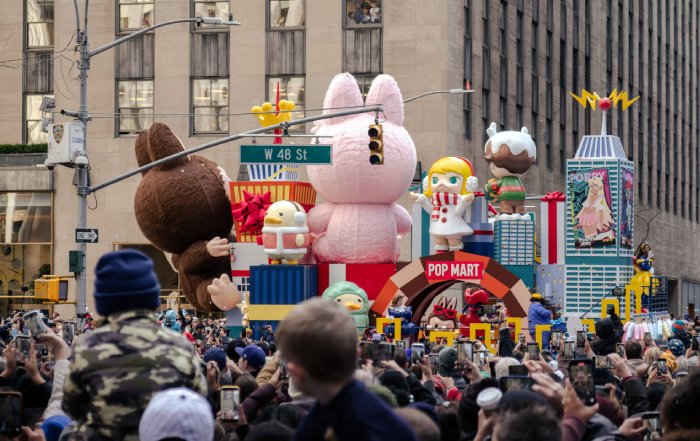
Local events are uniquely positioned to perform this function because they create concentrated periods of activity that can change how residents and visitors perceive a neighborhood. When a city hosts a well-organized street festival, night market, cultural celebration, or business conference, the visible crowds, public art, music, and food can signal that an area is once again open, welcoming, and worth visiting. This perception shift can be as important as the immediate spending, because it helps to normalize in-person engagement and counteract lingering hesitancy. Urban planners and city managers have increasingly integrated event programming into their strategies for downtown revitalization, often working with business improvement districts, chambers of commerce, and cultural organizations to coordinate calendars and maximize impact.
Readers interested in policy and regulatory frameworks can explore how municipal authorities are adapting zoning, permitting, and public safety regulations to support such events, a topic that aligns closely with USA Update's regulation coverage. Internationally, cities from London and Berlin to Toronto, Singapore, and Sydney have used local events and cultural programming as tools to reanimate central business districts, often drawing on guidance from organizations such as UN-Habitat and C40 Cities, which provide resources on urban resilience and sustainable city design. Learn more about how cities worldwide are rethinking public space and events in the context of climate and equity through the work of UN-Habitat.
Events as Catalysts for Small Business Growth
For small and medium-sized enterprises, especially those in retail, food service, creative industries, and tourism, local events can represent the difference between stagnation and growth. Neighborhood festivals, farmers' markets, art walks, and pop-up fairs offer small businesses access to concentrated audiences that might otherwise be difficult or costly to reach. These events function as live marketplaces where entrepreneurs can test products, gather feedback, and build brand recognition. In many U.S. cities, partnerships between local governments, business associations, and nonprofits have emerged to coordinate events that specifically prioritize minority-owned, women-owned, and immigrant-owned businesses, aligning economic recovery with broader goals of inclusion and equity.
The U.S. Small Business Administration and organizations such as Kauffman Foundation have underscored how face-to-face interactions foster trust between consumers and small businesses, a quality that can be difficult to replicate in purely digital channels. Studies shared by Harvard Business School and MIT Sloan have similarly highlighted the importance of local networks and in-person interactions in entrepreneurial ecosystems, where serendipitous encounters at events often lead to mentoring relationships, partnerships, or investment opportunities. Business leaders and investors who follow USA Update's finance section are increasingly attentive to these micro-level dynamics, recognizing that healthy small business ecosystems contribute to broader urban resilience and diversified tax bases.
In international contexts, local events have proven equally important for small business vitality. In Brazil, neighborhood street markets in cities like São Paulo and Rio de Janeiro have helped informal vendors recover lost income while contributing to urban food security. In South Africa, township-based cultural festivals have drawn visitors and spending into historically marginalized communities, supported by organizations such as South African Tourism and local development agencies. Across Asia, from Bangkok and Singapore to Seoul and Tokyo, night markets and seasonal festivals continue to serve as powerful platforms for micro-entrepreneurs and artisans, underpinning the tourism offerings promoted by national tourism boards and global travel platforms. Learn more about how small businesses can leverage community events through insights from the U.S. Small Business Administration.
Cultural Identity, Social Cohesion, and Talent Attraction
Economic recovery is deeply intertwined with questions of identity, belonging, and talent attraction. Cities compete globally not only for corporate investment but also for skilled workers, entrepreneurs, and students, many of whom choose locations based on perceived quality of life, cultural vibrancy, and personal networks. Local events, particularly those rooted in arts, culture, sports, and community traditions, play a central role in shaping a city's brand and in creating the social infrastructure that makes urban life attractive.
Cultural festivals, music performances, film screenings, and community celebrations highlight the diversity and creativity of urban populations, reinforcing a sense of shared identity that can be particularly important in times of economic or political stress. Organizations such as National Endowment for the Arts in the United States and UNESCO globally have documented how cultural participation contributes to social cohesion, mental well-being, and civic engagement. For cities seeking to attract and retain talent in sectors like technology, finance, and advanced manufacturing, a robust calendar of local events can be a differentiating factor, signaling that a city offers not only employment opportunities but also rich personal and family experiences.
Readers of usa-update.com who follow lifestyle and entertainment trends will recognize how events shape the narratives that residents and visitors tell about a place. The entertainment section and lifestyle coverage often highlight how festivals, concerts, and sporting events contribute to a city's allure, drawing visitors from across North America and beyond. Internationally, cities like Barcelona, Amsterdam, Cape Town, and Melbourne have built global reputations around their event calendars, from art biennales and music festivals to major marathons and design weeks. Learn more about the relationship between cultural policies and urban development in resources provided by UNESCO.
Technology, Hybrid Experiences, and the Future of Events
The events industry in 2026 is profoundly shaped by technological innovation, with hybrid and digital formats now a standard component of many gatherings. The rapid adoption of video conferencing, virtual reality, and event management platforms during the pandemic has not fully reversed; instead, organizers and participants have integrated digital tools into a new normal that blends physical and virtual engagement. This evolution has important implications for urban economic recovery. While purely virtual events may reduce some local spending, hybrid events that combine in-person attendance with remote participation can expand reach, increase accessibility, and attract international audiences who may later choose to visit a city in person.
Technology companies such as Zoom, Microsoft, and Salesforce have invested heavily in event-related solutions, while specialized platforms and startups continue to innovate in areas like audience analytics, digital ticketing, and immersive experiences. Research from Deloitte and PwC suggests that data-driven event planning can optimize scheduling, pricing, and marketing strategies, helping cities and venues maximize attendance and revenue. At the same time, there is a growing recognition that in-person experiences offer forms of connection, serendipity, and sensory engagement that cannot be fully replicated online, which is why local events remain central to urban strategy even in an increasingly digital economy.
Readers tracking technology trends on USA Update's technology page will find that the convergence of events and digital platforms mirrors broader shifts in how consumers and businesses interact, from e-commerce and streaming to remote work and telehealth. Cities that invest in high-quality digital infrastructure, smart transportation systems, and data-informed public safety measures are better positioned to host complex, large-scale events that meet modern expectations for convenience and security. Learn more about how digital transformation is reshaping the events and hospitality sectors through analyses from Deloitte.
Tourism, Travel, and International Connectivity
Local events are also deeply entangled with tourism and international connectivity. Major conferences, trade shows, sports tournaments, and cultural festivals can attract visitors from across the country and around the world, filling hotels, supporting airlines, and generating tax revenues that fund public services. In 2026, as global travel continues to recover and reconfigure in response to health, security, and climate considerations, events have become a strategic tool for destinations seeking to differentiate themselves and stabilize visitor flows.
Organizations such as World Travel & Tourism Council and UN World Tourism Organization have emphasized the importance of events in driving high-value tourism, particularly business travel, which tends to produce above-average spending per visitor. Cities like Las Vegas, Orlando, Chicago, New York, London, Dubai, Singapore, and Hong Kong have long relied on conventions and exhibitions as pillars of their tourism economies, and they are now competing to secure new events in emerging sectors such as climate technology, fintech, biotech, and digital entertainment. Readers interested in travel trends and destination strategies can follow developments through USA Update's travel coverage, where the intersection of events, tourism, and urban branding is increasingly prominent.
At the same time, international events raise complex questions about sustainability, inclusivity, and risk management. The environmental impact of large-scale travel, the need for robust public health protocols, and concerns about security and crowd management require careful planning and coordination among city authorities, event organizers, and private sector partners. Learn more about sustainable tourism and event practices through guidance from the World Travel & Tourism Council and the UN World Tourism Organization, both of which provide frameworks for balancing economic benefits with environmental and social responsibilities.
Regulation, Risk Management, and Public Trust
The capacity of local events to support urban economic recovery depends heavily on regulatory frameworks and public trust. City and regional governments play a pivotal role in setting health and safety standards, issuing permits, managing public spaces, and coordinating emergency services. In the aftermath of global health crises and in an era of heightened concern about security and climate-related disruptions, regulatory clarity and predictable processes are vital for event organizers, investors, and participants. Readers who follow policy developments through USA Update's regulation page will recognize that event-related rules often serve as a barometer of broader governance approaches, balancing economic incentives with risk mitigation.
Organizations such as Centers for Disease Control and Prevention (CDC) and World Health Organization (WHO) have provided guidance for mass gatherings, influencing how cities structure health protocols, ventilation standards, and contingency planning. Likewise, standards bodies and industry associations, including International Association of Exhibitions and Events (IAEE) and Events Industry Council, have collaborated on best practices for crowd management, cybersecurity, accessibility, and sustainability. Learn more about public health guidance for events through the World Health Organization and risk management frameworks through resources from the CDC.
Public trust is built not only through formal regulations but also through transparent communication, visible safety measures, and consistent performance. When residents and visitors see that events are well organized, inclusive, and responsive to community needs, they are more likely to participate and to support public investments in venues, transportation, and cultural programming. Conversely, poorly managed events can erode confidence, generate negative media coverage, and reinforce perceptions of risk. For platforms like usa-update.com, which provide timely news updates and analysis across sectors, reporting on event outcomes and governance decisions contributes to an informed public discourse about how cities balance opportunity and responsibility.
Energy, Sustainability, and the Green Transition
In 2026, urban economic recovery is inseparable from the global transition to more sustainable and resilient energy systems. Local events intersect with this transition in multiple ways, from their direct energy consumption and waste generation to their capacity to showcase green technologies, climate solutions, and sustainable lifestyles. Large events can strain local grids, transportation networks, and waste management systems, but they can also serve as laboratories for innovation, demonstrating how renewable energy, circular economy practices, and low-carbon mobility can be integrated into complex operations.
Organizations such as International Energy Agency (IEA) and World Resources Institute (WRI) have examined the energy and climate impacts of urban activities, including events, and have advocated for policies that promote efficiency, clean power, and sustainable urban design. Cities hosting major conferences on climate, energy, and sustainability, such as COP summits and global forums, often invest in green infrastructure and public transit improvements that outlast the events themselves. Learn more about energy-efficient urban strategies through resources from the International Energy Agency and climate-focused guidance from the World Resources Institute.
For readers of usa-update.com following developments in energy and consumer behavior, the intersection of events and sustainability is increasingly relevant. The energy section and consumer coverage often highlight how corporate sponsors, venue operators, and city governments are adopting renewable energy, phasing out single-use plastics, improving public transit access, and engaging attendees in climate-conscious behaviors. These choices not only reduce environmental impact but can also enhance brand reputation and align with the expectations of younger generations, who frequently prioritize sustainability when choosing where to live, work, and travel.
The Role of Media, Data, and Storytelling
Media organizations and digital platforms play an essential role in amplifying the economic and social impact of local events. Coverage of festivals, conferences, sporting events, and community gatherings shapes public perception, influences attendance, and can extend the reach of local experiences to national and global audiences. For usa-update.com, which serves readers across the United States and internationally with a focus on economy, business, lifestyle, and regulation, storytelling about local events is not merely descriptive; it is part of a broader narrative about how cities adapt, innovate, and recover.
Data analytics and audience insights enable more targeted and effective coverage. By tracking which stories resonate with readers in regions such as North America, Europe, Asia, and Africa, media outlets can identify emerging trends, highlight successful initiatives, and surface challenges that require policy attention. Organizations like Pew Research Center and Reuters Institute for the Study of Journalism have documented how digital transformation has altered news consumption patterns, with audiences increasingly seeking contextual, explanatory reporting that connects local developments to broader economic and geopolitical shifts. Learn more about evolving news ecosystems and audience behavior through research from the Pew Research Center.
In this environment, platforms like usa-update.com act as connectors between local experiences and global conversations. By integrating coverage of local events into sections such as economy, business, international, and events, the site helps readers understand how a festival in a U.S. city, a trade show in Germany, or a technology conference in Singapore reflects and influences macro-level trends in investment, employment, and innovation. This multi-layered perspective enhances the sense of Experience, Expertise, Authoritativeness, and Trustworthiness that business audiences increasingly demand from their information sources.
Strategic Considerations for Business and Policy Leaders
For corporate executives, investors, and policy makers, the renewed centrality of local events in urban economic recovery raises strategic questions that extend beyond marketing calendars or tourism campaigns. Decisions about where to locate offices, research centers, or regional headquarters are influenced by the quality and diversity of local events, which signal a city's capacity to attract talent, foster innovation, and sustain vibrant public life. Companies in sectors such as technology, finance, healthcare, and creative industries often evaluate event infrastructure, from convention centers and hotels to cultural institutions and public spaces, as part of their site selection criteria.
Policy makers, in turn, must consider how investments in event-related infrastructure and programming fit into broader economic development strategies. This includes assessing the return on investment of public subsidies for major events, balancing support for marquee attractions with funding for grassroots and community-based gatherings, and ensuring that benefits are distributed equitably across neighborhoods and demographic groups. Organizations such as International Monetary Fund (IMF) and World Economic Forum (WEF) have emphasized that inclusive growth and social cohesion are essential components of long-term economic stability, and local events can either reinforce or undermine these goals depending on how they are designed and governed. Learn more about inclusive urban economic policies through analyses from the World Economic Forum.
For cities in the United States, Canada, Europe, and beyond, the competition to host high-profile events is intensifying, but so is the recognition that smaller, recurring local events can collectively have an equal or greater impact on community well-being and resilience. Business and policy leaders who follow developments via USA Update's main news hub are increasingly attentive to both scales of activity, recognizing that the long-term health of urban economies depends on a balanced ecosystem of global, regional, and hyperlocal gatherings.
Shifting Forward with Local Events as Long-Term Urban Infrastructure
As urban economies continue to evolve through today and beyond, local events should be understood not as temporary diversions but as a form of soft infrastructure that underpins economic dynamism, social cohesion, and global connectivity. Just as physical infrastructure such as roads, transit systems, and digital networks enable commerce and interaction, event ecosystems provide the temporal and spatial frameworks within which people and organizations come together to exchange ideas, goods, and experiences. This perspective encourages city leaders, businesses, and community organizations to treat event planning and support as a strategic, long-term endeavor rather than a series of isolated initiatives.
For the always busy and in need of a break community of USA update, which looks for knowledge dedicated to business executives, policy professionals, entrepreneurs, and engaged citizens across the United States and internationally, the importance of local events in urban economic recovery is both practical and symbolic. Practically, events generate revenue, support jobs, and stimulate investment in sectors ranging from hospitality and retail to technology and energy. Symbolically, they signal confidence, creativity, and openness, qualities that are essential for cities seeking to navigate uncertainty and compete in a fragmented global landscape.
In the coming years, the cities that thrive will likely be those that integrate local events into comprehensive strategies for economic development, sustainability, and social inclusion, leveraging data, technology, and cross-sector partnerships to maximize impact while managing risks. Digital sites like usa-update.com will continue to play a vital role in documenting this evolution, offering readers a trusted lens on how local experiences-from neighborhood festivals and cultural celebrations to international conferences and trade fairs-shape the future of urban economies in the United States, North America, and around the world.
