
U.S. Economic Risks That Could Affect Household Budgets
Introduction: Why Economic Risk Feels Personal
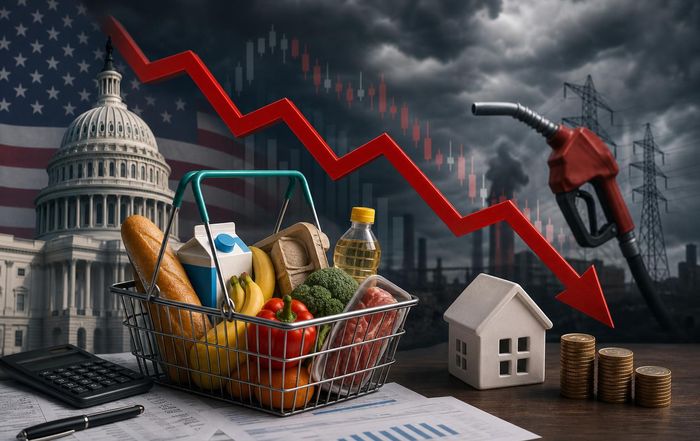
Economic headlines often appear abstract, filled with references to gross domestic product, yield curves, and monetary policy. Yet for households across the United States, these developments are anything but distant. They shape the cost of groceries, the size of mortgage payments, the availability of jobs, and the value of retirement savings. As USA update continues to track every single day (including holidays) the evolving financial landscape, one central question guides much of the coverage: which U.S. economic risks matter most for everyday household budgets, and how can families prepare?
The answer is complex because the American economy itself is complex. It is influenced by domestic policy choices, global events, technological change, demographic shifts, and the behavior of millions of firms and hundreds of millions of consumers. Organizations such as the Federal Reserve, the U.S. Department of the Treasury, and international institutions like the International Monetary Fund (IMF) and the World Bank monitor these forces constantly, providing data and analysis that help clarify where vulnerabilities may arise. For readers of USA update, understanding these risks is not an academic exercise; it is a practical step toward making informed decisions about spending, saving, investing, and employment.
This article examines the major economic risks that could affect U.S. household budgets, drawing on recent research and data from reliable sources including the Federal Reserve (federalreserve.gov), the U.S. Bureau of Labor Statistics (bls.gov), the U.S. Census Bureau (census.gov), the IMF (imf.org), the OECD (oecd.org), and nonpartisan think tanks such as the Brookings Institution (brookings.edu) and the Peterson Institute for International Economics (piie.com). While forecasts differ and uncertainties remain, several themes consistently emerge as particularly relevant for American households.
Readers hungry for new original content, seeking continuing coverage of these topics can follow dedicated updates on the economy page at usa-update.com/economy.html and the broader top news section at usa-update.com/news.html, where the interplay between national data and local impact is a central editorial focus.
Inflation, Prices, and the Cost of Living
One of the most direct economic risks for households is inflation, the rate at which prices for goods and services increase over time. When inflation rises faster than wages, the purchasing power of household income falls, meaning families can buy less with the same amount of money. The U.S. Bureau of Labor Statistics tracks inflation through the Consumer Price Index (CPI), providing monthly data on how prices evolve across categories such as food, housing, transportation, and medical care. Readers can explore the latest CPI data at bls.gov/cpi, where detailed charts show which items are rising fastest.
After a period of unusually high inflation following the COVID-19 pandemic, the Federal Reserve undertook a series of interest rate increases aimed at bringing inflation back toward its long-run target. Analysts at the Federal Reserve Bank of St. Louis and other regional branches have documented how supply chain disruptions, strong consumer demand, and shifts in labor markets contributed to the surge in prices. Over time, as supply chains normalized and monetary policy tightened, inflation began to moderate, although certain categories such as shelter and services remained elevated according to data summarized by the Council of Economic Advisers and independent research from institutions like the Pew Research Center (pewresearch.org).
For households, the risk is twofold. First, there is the possibility that inflation could reaccelerate due to new shocks, such as energy price spikes or geopolitical conflict that disrupts trade. Second, even if overall inflation remains contained, specific cost-of-living components, particularly housing and healthcare, may continue to outpace income growth. Reports from the Urban Institute (urban.org) and Harvard University's Joint Center for Housing Studies (jchs.harvard.edu) highlight how rent burdens and home affordability challenges have intensified for many families, especially younger households and lower-income renters.
USA update frequently connects these macroeconomic trends to practical budgeting questions, such as how families can adjust spending categories, build emergency savings, or refinance debt when rates shift. The finance section at usa-update.com/finance.html provides ongoing insights into how inflation data translate into decisions about mortgages, auto loans, and credit card balances, helping readers to navigate an environment where the cost of living can change rapidly.
Household Budget Risk Dashboard
Move the sliders to describe your situation. The dashboard estimates your overall budget risk and shows which areas may deserve attention first.
- * Keep housing costs near or below 30% of your take-home pay.
- * Aim for at least 3 months of essential expenses in savings.
- * Review high-interest debt and explore lower-rate options.
Interest Rates, Debt, and Household Credit
Interest rates are another central channel through which economic risks reach household budgets. The Federal Reserve sets a target range for the federal funds rate, influencing borrowing costs across the economy, from corporate loans to consumer credit. When the Fed raises rates, the cost of borrowing typically increases, affecting mortgages, home equity lines of credit, auto loans, and credit cards. Conversely, when it cuts rates, borrowing becomes cheaper but savings may earn less interest.
The Federal Reserve's data on household debt, available through its Financial Accounts of the United States (federalreserve.gov/releases/z1), show that American households collectively hold trillions of dollars in mortgage, auto, student loan, and revolving credit card debt. Research from the New York Fed's Center for Microeconomic Data (newyorkfed.org/microeconomics) highlights that while aggregate household balance sheets may appear relatively strong, the distribution of debt burdens is uneven. Some households have built up substantial savings buffers, while others are highly leveraged and vulnerable to even modest increases in interest rates.
Rising rates can significantly affect monthly payments. Homeowners with adjustable-rate mortgages may see their housing costs climb when their loans reset, and prospective buyers may find that higher mortgage rates reduce what they can afford. Credit card users who carry balances month to month could face steeper interest charges, making it harder to pay down debt. These dynamics have been analyzed in depth by organizations such as the Consumer Financial Protection Bureau (CFPB) (consumerfinance.gov) and the National Foundation for Credit Counseling (nfcc.org), both of which emphasize the importance of understanding loan terms and planning for rate changes.
At the same time, higher rates can benefit savers, particularly those who take advantage of high-yield savings accounts or certificates of deposit offered by banks and credit unions. The FDIC (fdic.gov) and National Credit Union Administration (ncua.gov) maintain tools that allow consumers to compare insured institutions and understand deposit protections, helping households make safer choices when seeking higher returns.
The USA update business and consumer pages at usa-update.com/business.html and usa-update.com/consumer.html regularly explore how shifts in interest rates influence not only large corporate financing decisions but also the everyday realities of car purchases, home renovations, and education planning. By linking macro-level policy changes to micro-level financial decisions, usa-update aims to help readers anticipate how future rate moves could reshape their budgets.
Labor Markets, Jobs, and Employment Stability
For most households, the largest determinant of financial stability is employment. Wages, hours worked, job security, and access to benefits all shape whether families can meet their obligations, build savings, and plan for the future. The U.S. Bureau of Labor Statistics provides detailed monthly reports on unemployment, labor force participation, and wage growth, which can be accessed at bls.gov/news.release/empsit.toc.htm. These data show that, following the pandemic shock, the U.S. labor market recovered strongly, with unemployment rates falling to historically low levels in several periods.
However, beneath the aggregate numbers, there are notable vulnerabilities. Automation and digitalization continue to reshape industries, affecting the demand for certain types of work. Research from McKinsey & Company (mckinsey.com) and the World Economic Forum (weforum.org) suggests that while new technologies such as artificial intelligence and advanced robotics can create new job categories, they may also displace routine tasks and reduce employment in certain occupations, particularly those involving predictable physical activities or basic data processing. The pace and scale of this transition remain debated, with some scholars emphasizing the potential for job creation and others warning of significant disruption.
Another risk lies in sector-specific slowdowns. For example, construction, manufacturing, and technology have all experienced cycles of rapid hiring followed by layoffs in recent years, as documented by outlets such as The Wall Street Journal (wsj.com) and Bloomberg (bloomberg.com). Workers in these sectors may face periods of income volatility, which can strain household budgets and make long-term planning more difficult. Regional disparities also matter; communities heavily dependent on a single industry, such as energy extraction or tourism, may be particularly exposed to demand shocks or regulatory changes.
Policy responses can mitigate some of these risks. Programs supported by the U.S. Department of Labor (dol.gov) and state workforce agencies focus on retraining, apprenticeships, and upskilling, especially in industries expected to grow, such as healthcare, renewable energy, and advanced manufacturing. Nonprofit organizations and community colleges play a crucial role in providing flexible learning opportunities for adults seeking to transition into new roles.
The always updated jobs and employment sections of USA update, at usa-update.com/jobs.html and usa-update.com/employment.html, pay particular attention to how national labor trends translate into local realities. Profiles of emerging careers, coverage of wage trends, and analysis of benefit changes aim to equip workers and job seekers with actionable information. By highlighting success stories of workers who have navigated transitions into new fields, usa-update underscores that, while labor market risks are real, they can be managed with timely information and proactive planning.
Housing Market Pressures and Shelter Costs
Housing is typically the largest expense in a household budget, and shifts in the housing market can have profound effects on financial well-being. Over the past decade, home prices in many U.S. metropolitan areas have risen significantly, driven by limited supply, strong demand, and demographic factors such as the aging of millennials into prime homebuying years. Data from the S&P CoreLogic Case-Shiller Home Price Indices (spglobal.com/spdji) and analysis by the National Association of Realtors (NAR) (nar.realtor) confirm that affordability has become a major concern, particularly for first-time buyers.
The rental market has also tightened in many regions, with vacancy rates falling and rents rising faster than incomes in several cities. Studies from the Joint Center for Housing Studies of Harvard University and the National Low Income Housing Coalition (nlihc.org) reveal that a substantial share of renters are "cost-burdened," spending more than 30 percent of their income on housing, and a significant subset are "severely cost-burdened," spending more than half. These households have less room in their budgets for savings, education, healthcare, or retirement contributions, making them more vulnerable to economic shocks.
Higher interest rates can cool home price growth by reducing purchasing power, but they also raise the cost of borrowing, which can keep many would-be buyers on the sidelines. This dynamic creates a complex environment in which some homeowners benefit from rising equity while others find themselves locked out of the market. Local zoning laws, construction costs, and regulatory barriers further influence housing supply, as examined in depth by think tanks like the Brookings Institution and the Urban Institute, which advocate for a mix of policy reforms to encourage more affordable housing development.
For households, the key risk is that shelter costs continue to consume a growing share of income, leaving less flexibility to handle other obligations or unexpected expenses. USA update frequently covers housing market developments in its economy and lifestyle sections at usa-update.com/economy.html and usa-update.com/lifestyle.html, offering readers insights into regional price trends, mortgage options, and rental market conditions. By combining national data with local stories, usa-update helps families consider whether to rent or buy, how to negotiate leases, and how to evaluate home improvement investments in a changing market.
Healthcare Costs and Medical Financial Risk
Healthcare is another major component of household spending, and in the United States it carries unique financial risks. Even insured families can face high deductibles, copayments, and out-of-network charges, while uninsured or underinsured individuals may encounter substantial medical bills that strain or overwhelm their budgets. The Centers for Medicare & Medicaid Services (CMS) (cms.gov) tracks national health expenditures, which have grown faster than overall inflation for much of the past several decades, a trend also highlighted by the Kaiser Family Foundation (KFF) (kff.org).
KFF's research shows that employer-sponsored family health insurance premiums have risen considerably over time, while average deductibles have also increased, shifting more costs onto workers. Meanwhile, medical debt remains a significant issue; studies by KFF and the Consumer Financial Protection Bureau indicate that millions of Americans have medical bills in collections, which can damage credit scores and limit access to affordable borrowing. Although some credit reporting agencies have adjusted how they treat certain types of medical debt, the underlying financial strain on households persists.
Policy efforts to address these challenges include the expansion of coverage through the Affordable Care Act (ACA) marketplaces, Medicaid expansion in many states, and targeted initiatives to reduce surprise billing, such as the federal No Surprises Act. Evaluations of these measures by organizations like the Commonwealth Fund (commonwealthfund.org) and the RAND Corporation (rand.org) suggest that they have provided meaningful protections for many consumers, but gaps remain, particularly in states that have not expanded Medicaid and among populations with irregular or gig-based employment.
From a household perspective, the risk lies not only in ongoing premium and out-of-pocket costs but also in the potential for a sudden health event to generate large, unexpected expenses. USA update covers developments in health policy and insurance markets as part of its broader consumer and regulation reporting at usa-update.com/regulation.html, helping readers understand their rights, compare plan options, and explore strategies such as health savings accounts (HSAs) where appropriate. By emphasizing preventive care, financial planning, and awareness of coverage details, usa-update aims to empower families to reduce the likelihood that medical costs will destabilize their budgets.
Energy Prices, Climate Risks, and Household Utilities
Energy costs influence household budgets through gasoline prices, home heating and cooling bills, and the embedded energy costs in goods and services. Volatility in oil and natural gas markets, driven by geopolitical events, supply constraints, and shifts in global demand, can quickly translate into higher prices at the pump and on utility bills. The U.S. Energy Information Administration (EIA) (eia.gov) provides comprehensive data and forecasts on energy prices, production, and consumption, which policymakers and analysts use to assess risks to consumers.
Geopolitical tensions, such as conflicts affecting major oil-producing regions, can lead to sudden price spikes. Additionally, extreme weather events linked to climate change, including hurricanes, heatwaves, and winter storms, may disrupt energy infrastructure, leading to temporary shortages or higher costs. Reports from the Intergovernmental Panel on Climate Change (IPCC) (ipcc.ch) and the National Oceanic and Atmospheric Administration (NOAA) (noaa.gov) underscore that climate-related risks are expected to intensify over time, with implications for both energy systems and broader economic stability.
On the other hand, the transition toward cleaner energy sources offers long-term opportunities for more stable and potentially lower-cost power, as the cost of solar, wind, and energy storage technologies has declined substantially according to analyses by the International Energy Agency (IEA) (iea.org) and the National Renewable Energy Laboratory (NREL) (nrel.gov). Policies at the federal and state level, including tax credits and incentives for renewable energy and energy efficiency, can help households reduce their exposure to fossil fuel price volatility by investing in home insulation, efficient appliances, electric vehicles, or rooftop solar where feasible.
The USA update energy page at usa-update.com/energy.html follows these new developments closely, explaining how global energy trends filter down to local utility rates, gas station prices, and home energy choices. By highlighting both the risks of price shocks and the opportunities presented by energy efficiency and clean technology adoption, usa-update encourages readers to see energy decisions as an integral part of long-term household financial planning.
Technology, Cybersecurity, and Financial Vulnerabilities
Technological innovation is transforming the way households earn, spend, save, and invest. Digital banking, mobile payments, online marketplaces, and app-based gig work platforms have expanded convenience and choice. At the same time, they introduce new risks related to cybersecurity, privacy, and financial fraud. Incidents of data breaches, identity theft, and scams have risen, as documented by the Federal Trade Commission (FTC) (ftc.gov) and security firms that track cybercrime trends.
Households increasingly rely on online banking and digital wallets, making strong passwords, multifactor authentication, and awareness of phishing tactics essential components of financial self-defense. The Cybersecurity and Infrastructure Security Agency (CISA) (cisa.gov) and nonprofit organizations such as the National Cybersecurity Alliance (staysafeonline.org) provide practical guidance on protecting personal information and devices. Failure to adopt basic cybersecurity practices can lead to unauthorized transactions, drained accounts, or compromised credit, with significant consequences for household budgets.
Technology also affects employment patterns and income stability. The rise of gig work and platform-based labor, facilitated by companies such as Uber, Lyft, DoorDash, and others, offers flexible earning opportunities but often without traditional benefits such as health insurance, retirement plans, or unemployment protection. Research from the Economic Policy Institute (epi.org) and the Upjohn Institute for Employment Research (upjohn.org) indicates that gig workers may experience greater income volatility and face challenges in accessing social safety nets designed around standard employment relationships.
The technology section of USA update, accessible at usa-update.com/technology.html, covers both the promise and the risks of digital transformation. Articles explore topics such as the impact of artificial intelligence on job roles, the evolution of digital payment systems, and best practices for online security. By presenting clear, accessible explanations of complex technological trends, usa-update supports readers in making informed decisions about adopting new tools while guarding against potential harms.
Policy, Regulation, and Fiscal Uncertainty
Government policy and regulation shape the economic environment in which households operate. Tax policy affects take-home pay and incentives to save or invest. Regulatory decisions influence the cost and availability of credit, healthcare, energy, and housing. Fiscal policy, including government spending and borrowing, can support economic growth during downturns but may also raise concerns about long-term debt sustainability.
The Congressional Budget Office (CBO) (cbo.gov) regularly publishes projections of federal deficits and debt, as well as analyses of how policy changes might affect economic outcomes. While experts differ on the precise thresholds at which public debt becomes problematic, many agree that an unsustainable fiscal path could eventually lead to higher interest rates, reduced fiscal flexibility in future crises, or increased tax burdens. Institutions such as the Committee for a Responsible Federal Budget (crfb.org) and the Peterson Foundation (pgpf.org) emphasize the importance of long-term planning to avoid abrupt adjustments that could harm households.
Regulatory changes in areas such as student lending, consumer protection, and retirement savings can also directly affect household finances. For example, shifts in federal student loan policies, including repayment options and forgiveness programs, have significant implications for borrowers' monthly obligations and long-term financial trajectories. The U.S. Department of Education (ed.gov) and CFPB provide up-to-date information on these programs, while independent analysts at organizations like the Brookings Institution evaluate their distributional effects and potential unintended consequences.
USA update's regulation and economy pages, at usa-update.com/regulation.html and usa-update.com/economy.html, track these debates with a focus on how proposed and enacted rules will influence household budgets. By explaining the practical implications of complex legislation and regulatory decisions, usa-update helps newsletters subscribers and online readers anticipate changes in taxes, benefits, and consumer protections, encouraging proactive financial planning rather than reactive scrambling.
Global Shocks, Geopolitics, and International Spillovers
In an interconnected world, global events can have swift and significant effects on the U.S. economy and, by extension, on household budgets. Trade tensions, conflicts, pandemics, and financial crises in other regions can disrupt supply chains, alter commodity prices, and affect demand for U.S. exports. The IMF, World Bank, and OECD provide regular assessments of global economic conditions, highlighting risks such as slowing growth in major economies, debt vulnerabilities in emerging markets, and fragmentation of trade networks.
For example, disruptions in semiconductor manufacturing in Asia can affect the availability and price of cars, smartphones, and appliances in the United States, as documented by industry analyses from Semiconductor Industry Association (semiconductors.org) and coverage by outlets like Reuters (reuters.com). Similarly, geopolitical tensions that impact shipping routes or critical raw materials can lead to shortages or price spikes in goods ranging from fertilizers to electronics, which ultimately show up in consumer prices and business costs.
Exchange rate movements also matter. A stronger U.S. dollar can make imported goods cheaper for American consumers but may hurt U.S. exporters and certain domestic industries, potentially affecting jobs in those sectors. Conversely, a weaker dollar can support export competitiveness but raise the price of imports, contributing to inflation. The Federal Reserve and international financial institutions monitor these dynamics closely, but predicting exchange rate paths with precision remains notoriously difficult, a point emphasized by academic research and market practitioners alike.
The international section of USA update, at usa-update.com/international.html, situates U.S. economic developments within this broader global context. Coverage of trade agreements, diplomatic negotiations, and cross-border investment trends helps readers understand how seemingly distant events can influence their own cost of living, job prospects, and investment portfolios. By emphasizing interconnectedness, usa-update encourages households to recognize that managing economic risk increasingly requires a global perspective.
Building Household Resilience Amid Uncertainty
While many of the risks described above are beyond the control of individual households, there are practical steps families can take to build resilience. Financial advisors, consumer advocates, and academic researchers often highlight similar themes: maintaining an emergency savings fund, diversifying income sources where possible, managing debt prudently, and investing in education and skills that remain valuable in a changing labor market. Organizations such as the Financial Industry Regulatory Authority (FINRA) Investor Education Foundation (finrafoundation.org) and Jump$tart Coalition for Personal Financial Literacy (jumpstart.org) provide educational resources designed to strengthen financial capability across age groups.
Savings behavior is particularly crucial. Although not all households have the means to set aside large sums, even modest, regular contributions to a savings account can create a buffer against unexpected expenses such as car repairs, medical bills, or temporary job loss. The FDIC and CFPB have developed tools and campaigns to encourage savings and help consumers compare account options. Meanwhile, employer-sponsored retirement plans, individual retirement accounts (IRAs), and other long-term investment vehicles allow households to benefit from compound growth over time, though they also carry market risk that must be managed through diversification and appropriate asset allocation.
Insurance plays a vital role as well. Health, auto, homeowners or renters, life, and disability insurance can all protect against specific risks that might otherwise lead to severe financial hardship. Consumer advocates recommend regularly reviewing coverage levels and policy terms to ensure they remain aligned with a household's evolving needs. State insurance regulators and organizations such as the National Association of Insurance Commissioners (NAIC) (naic.org) offer guidance on evaluating insurers and understanding policy language.
USA update integrates these themes into its lifestyle, finance, and consumer coverage at usa-update.com/lifestyle.html and usa-update.com/finance.html, often highlighting practical strategies that readers across income levels can adopt. By featuring expert commentary, case studies, and step-by-step guides, usa-update seeks to translate abstract economic risks into actionable personal finance steps that support long-term stability and opportunity.
A Place of Information, Community, and Positive Momentum
Economic risk can feel overwhelming, particularly when headlines focus on crises, volatility, and uncertainty. Yet history shows that households, communities, and institutions can adapt and innovate in response to changing conditions. Investments in education, infrastructure, technology, and entrepreneurship have repeatedly enabled the U.S. economy to overcome shocks and generate new avenues for growth and prosperity. Researchers at institutions such as MIT, Stanford University, and the National Bureau of Economic Research (NBER) (nber.org) have documented how innovation and human capital development underpin long-run improvements in living standards, even when short-term challenges arise.
Community networks also matter in mitigating risk. Local organizations, nonprofit groups, and faith-based institutions often provide support during economic downturns, offering job placement assistance, financial counseling, and emergency aid. Public libraries, community colleges, and workforce development centers serve as hubs for learning and connection, helping individuals acquire new skills and access resources. These forms of social capital, while harder to quantify than GDP or inflation statistics, play a vital role in enabling households to navigate economic uncertainty.
As a news and information platform with a national audience and a special focus on the United States, USA update positions itself as part of this broader ecosystem of support. By curating reliable data, amplifying expert analysis, and showcasing stories of resilience and innovation, usa-update aims to foster a more informed and empowered public. The site's home page ties together original thinking coverage across economy, business, technology, jobs, regulation, and lifestyle, reflecting the reality that economic risk is multi-dimensional and deeply intertwined with everyday life.
Planning ahead, the precise trajectory of the U.S. economy will depend on numerous factors, including policy choices, global developments, technological breakthroughs, and demographic trends. No forecast can eliminate uncertainty. However, households that remain informed, cultivate financial resilience, and engage with their communities will be better positioned to weather potential storms and seize emerging opportunities. In that spirit, USA update will continue to monitor the evolving economic landscape, translating complex developments into clear, inspirational insights that help readers protect and strengthen their household budgets in the years to come.
