
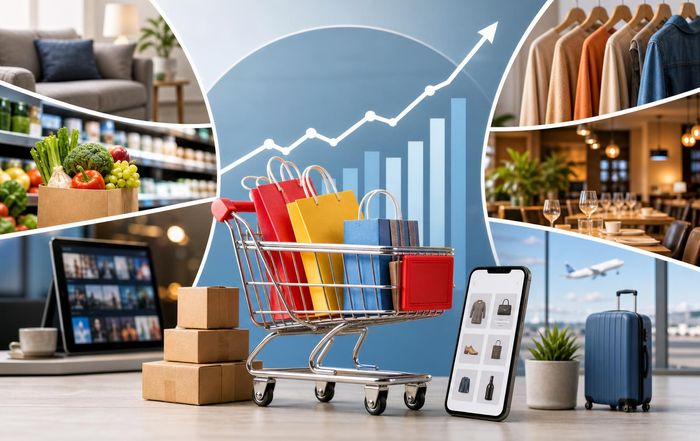
U.S. Consumer Trends Changing Retail and Service Demand
Introduction: A New American Consumer Emerges
Across the United States, consumer behavior is undergoing one of the most significant shifts since the rise of mass e-commerce in the early 2000s. The combination of pandemic aftereffects, persistent inflationary pressures, rapid advances in digital technology, demographic change, and evolving social values has created a more discerning, digitally fluent, and values-aware American consumer. For a business-focused top site like USA update, these changes are more than a set of abstract trends; they are reshaping how companies design products, price services, manage supply chains, hire workers, and engage with communities.
Retailers, service providers, and policymakers now track consumer sentiment almost in real time through data from organizations such as the U.S. Census Bureau, the Federal Reserve, and private research firms, while financial markets respond quickly to shifts in spending patterns. At the same time, households are making more deliberate choices about where, how, and why they spend their money, weighing factors such as convenience, digital experience, sustainability, and trust. This evolving landscape is redefining demand in sectors covered across the site updated verticals from the economy and business to consumer, technology, and employment.
Understanding these trends is now essential not only for large national chains but also for regional players, small businesses, and entrepreneurs who must anticipate where demand is headed rather than simply react to it. The following analysis surveys the most consequential U.S. consumer trends that are changing retail and service demand, and examines how they intersect with broader economic, financial, regulatory, and labor dynamics.
The Macroeconomic Backdrop: Inflation, Rates, and Real Spending
Consumer trends do not evolve in isolation; they are deeply influenced by macroeconomic conditions. After the pandemic shock and the subsequent period of elevated inflation, U.S. households have been navigating a more complex financial environment. Data from the Bureau of Economic Analysis and the Federal Reserve show that while nominal consumer spending has continued to grow, real (inflation-adjusted) spending has become more uneven, with particular strength in services and more cautious patterns in some discretionary goods categories. Analysts at The Conference Board and Pew Research Center note that consumer confidence has fluctuated as households weigh strong labor market conditions against higher costs of living and elevated borrowing costs.
The Federal Reserve's interest rate policy has also influenced consumer behavior. Higher rates have increased the cost of credit card balances, auto loans, and mortgages, encouraging some households to delay major purchases or trade down to more affordable brands. Learn more about monetary policy and consumer credit dynamics. At the same time, tight labor markets and wage gains in many sectors have supported continued spending on experiences, travel, and personal services. For online readers of USA update, this macroeconomic backdrop is central to understanding why certain sectors, such as hospitality and health services, are seeing strong demand, while others, like some durable goods categories, face more price sensitivity and elongated replacement cycles.
The Shift from Goods to Experiences and Services
One of the most visible post-pandemic consumer shifts has been the pivot from goods toward experiences and services. During periods of lockdowns and restrictions, households spent heavily on home goods, electronics, and other physical items. As public health conditions normalized, many consumers redirected discretionary budgets toward travel, dining, entertainment, and wellness services. Industry data summarized by organizations such as McKinsey & Company and Deloitte indicate that spending on experiences has outpaced many traditional retail categories, a trend reinforced by consumer surveys that highlight a renewed desire for social connection and memorable activities.
This has important implications for sectors that USA update tracks closely. Airlines, hotels, and entertainment venues report higher demand for leisure travel and live events, even as business travel recovers more slowly and in different forms. Interested readers can explore how these shifts intersect with global tourism patterns through resources such as the U.S. Travel Association and the World Travel & Tourism Council. For retailers, the experience shift is prompting investment in in-store events, experiential showrooms, and hybrid retail-hospitality concepts that blur the lines between shopping, dining, and entertainment.
Service industries are also benefiting from this reorientation. Personal care, fitness, mental health, and wellness offerings have seen heightened interest, with consumers increasingly willing to pay for services that support long-term health and quality of life. This trend intersects with broader lifestyle reporting here, as wellness becomes a core component of consumer identity rather than a niche category. Businesses that successfully connect their services to holistic well-being and community building are often better positioned to command loyalty and premium pricing.
Interactive U.S. Consumer Trend Explorer
Compare how key trends reshape demand across major sectors
Consumers are shifting discretionary budgets from physical goods toward experiences, pressuring traditional retail while rewarding experiential formats.
- Experiential formats gain share over traditional product-only offerings.
- Consumers reward retailers that blend digital discovery with in-person moments.
Omnichannel Retail Becomes the New Baseline
The pandemic period accelerated e-commerce adoption across age groups and income levels, but the post-pandemic reality is more nuanced than a simple shift from physical stores to online. U.S. consumers now expect a seamless omnichannel experience, moving fluidly between digital and in-person touchpoints. According to data from the U.S. Census Bureau's Quarterly E-Commerce Report and analyses from firms such as Forrester and eMarketer, online sales continue to grow as a share of total retail, yet brick-and-mortar stores remain critical for discovery, returns, immediate gratification, and service-intensive categories.
Retailers are responding by integrating click-and-collect services, curbside pickup, same-day delivery, and in-store digital tools. Grocery chains, for example, have invested heavily in online ordering platforms, dark stores, and micro-fulfillment centers, while general merchandise and specialty retailers are reconfiguring stores to support both shopping and last-mile logistics. Readers can explore broader retail technology trends through resources such as the National Retail Federation and the MIT Initiative on the Digital Economy.
For our audience, the strategic question is how businesses can align operations, staffing, and technology with omnichannel expectations without eroding margins. The most successful retailers tend to treat stores as both sales and service hubs, emphasizing personalized assistance, easy returns, and community engagement, while relying on data analytics and automation to streamline inventory and fulfillment. This approach also has employment implications, as roles evolve from purely transactional to more advisory and relationship-oriented, a theme that connects with USA update's articles on jobs and employment trends.
The Rise of the Digitally Fluent Consumer
The American consumer is more digitally fluent than ever, not only in terms of e-commerce but also in how information is gathered, evaluated, and shared. Smartphones have become the default gateway to retail and services, with consumers routinely comparing prices, reading reviews, scanning QR codes, and engaging with brands on social platforms before making decisions. Research from Pew Research Center and Statista indicates that younger cohorts, particularly Gen Z and younger millennials, are especially likely to rely on social media for product discovery, while older consumers increasingly use digital tools for convenience and value comparison.
This digital fluency has raised expectations for user experience, transparency, and responsiveness. Consumers often abandon poorly designed apps or websites, and they expect clear information on pricing, fees, availability, and delivery times. At the same time, they are more aware of data privacy issues, prompting debates about personalized advertising, tracking, and consent. Regulatory developments, including state-level privacy laws and enforcement actions by agencies such as the Federal Trade Commission, are reshaping how companies collect and use consumer data. Those interested in regulatory perspectives can consult sources such as the FTC's business guidance and the Electronic Frontier Foundation for civil society views.
For a technology-oriented audience following the new technology and regulation sections, the key takeaway is that digital sophistication is no longer a differentiator; it is a baseline expectation. Competitive advantage now lies in delivering trustworthy, intuitive, and inclusive digital experiences that respect user privacy while still offering personalization and convenience.
Inflation, Value Consciousness, and the "Smart Shopper" Mindset
Persistent inflation over multiple years has reshaped how consumers think about value, even as wage growth and employment levels remain relatively strong. Households have become more strategic in their spending, often trading down in some categories while selectively trading up in others. Surveys from organizations such as Gallup, Morning Consult, and Bankrate suggest that many consumers now identify as "smart shoppers," actively seeking promotions, using digital coupons, comparing prices across retailers, and timing purchases around sales events.
This value consciousness does not necessarily mean a race to the bottom on price. Instead, consumers are differentiating between everyday essentials, where low prices and private labels may dominate, and categories tied to identity, wellness, or long-term satisfaction, where they may be willing to pay a premium. For instance, shoppers might choose store-brand pantry items while still investing in higher-quality skincare, fitness memberships, or travel experiences. Analysts at NielsenIQ and Kantar have documented this "selective premiumization" pattern across multiple consumer goods segments.
For retailers and service providers, the challenge is to articulate and deliver clear value propositions. Transparent pricing, loyalty programs, and bundled offerings can appeal to cost-conscious consumers, while differentiated quality, design, or service can justify higher price points in premium segments. Financial literacy and budgeting content, such as that provided by consumer finance educators and independent financial media, also influence how households allocate spending, connecting this trend directly to USA update's coverage of finance and the broader economy.
Sustainability, Ethics, and the Values-Driven Consumer
A growing segment of U.S. consumers now considers environmental and social impact when making purchases, even if price and convenience remain primary drivers for many. Surveys from IBM, NielsenIQ, and the Harvard Business Review highlight that younger consumers are particularly likely to express interest in sustainable, ethically produced, and socially responsible products, though the extent to which stated preferences translate into behavior varies by category and price point.
Companies across retail and services are responding with initiatives related to sustainable sourcing, reduced packaging, circular economy models, and community investment. Brands highlight certifications, carbon reduction commitments, and diversity and inclusion efforts, while investors and regulators increasingly scrutinize environmental, social, and governance (ESG) claims. To understand the evolving ESG landscape and its implications for business, readers may consult resources from the Sustainability Accounting Standards Board (SASB), the Task Force on Climate-related Financial Disclosures (TCFD), and the World Resources Institute.
However, regulatory bodies such as the FTC have cautioned against "greenwashing," reminding companies that environmental and social claims must be substantiated. This creates both risk and opportunity for retailers and service providers. Those that invest substantively in sustainable practices and communicate them transparently can build trust and resilience, while superficial or misleading claims may damage reputations. For USA update, which serves folks interested in business integrity and long-term economic health, the values-driven consumer is a key force pushing markets toward more responsible practices, even as debates continue about the pace and scale of change.
Demographic Shifts and the Multigenerational Marketplace
Demographic changes in the United States are reshaping consumer demand across nearly every category. An aging population, growing racial and ethnic diversity, and new household structures are all influencing what products and services are needed, how they are marketed, and where they are delivered. Data from the U.S. Census Bureau and research institutions such as the Brookings Institution and Urban Institute illustrate how these demographic dynamics are unfolding across regions and income levels.
Older adults represent a growing share of consumer spending, particularly in healthcare, financial services, home modification, and travel. Businesses that design offerings with accessibility, simplicity, and trust in mind are likely to find opportunities in this segment. At the same time, younger cohorts are shaping demand for digital-first experiences, socially conscious brands, and flexible work and lifestyle arrangements. The rise of multicultural households is also influencing food, entertainment, and media consumption, with demand for diverse content and products that reflect a broad spectrum of cultural backgrounds.
For retailers and service providers, this multigenerational, multicultural marketplace requires more nuanced segmentation and inclusive design. Marketing strategies that rely on outdated stereotypes or one-size-fits-all messaging are increasingly ineffective. Instead, companies are turning to detailed consumer insights, often powered by data analytics and qualitative research, to understand specific community needs and preferences. This trend aligns with our interest in international and domestic diversity, as U.S. consumer culture becomes more interconnected with global influences from regions such as Europe, Asia, and Latin America.
The Future of Work, Income, and Consumer Demand
Changes in the labor market are deeply intertwined with consumer behavior. The spread of remote and hybrid work, the growth of gig and freelance employment, and the ongoing reconfiguration of office and retail real estate are all reshaping daily routines and spending patterns. Research from organizations such as McKinsey Global Institute, Brookings, and the National Bureau of Economic Research shows that remote work has altered where people live, how they commute, and where they shop and dine, with implications for urban centers, suburbs, and smaller cities.
For example, downtown business districts that once depended heavily on office worker foot traffic have had to adapt to new patterns of demand, while residential neighborhoods and exurban areas have seen increased daytime consumption of food, coffee, and services. This shift has also influenced commercial real estate strategies, as property owners and developers explore mixed-use, residential, and experiential concepts to replace or complement traditional office-centric models. Readers can explore these dynamics further through sources such as the Urban Land Institute and the National Association of Realtors.
At the same time, the gig economy and platform-based work have created new forms of income and flexibility but also raised questions about stability, benefits, and worker protections. These changes affect not only how people earn but also how they spend, save, and borrow, linking labor market evolution to our unique and independent coverage of jobs, employment, and finance. Businesses must account for a consumer base whose work patterns, income volatility, and time constraints differ significantly from those of previous decades, influencing demand for everything from meal kits and on-demand services to financial products and educational offerings.
Technology, AI, and Personalization in Retail and Services
Advances in artificial intelligence, machine learning, and data analytics are transforming how companies understand and serve consumers. Retailers and service providers now use AI to forecast demand, optimize pricing, personalize recommendations, detect fraud, and enhance customer support through chatbots and virtual assistants. Organizations such as MIT, Stanford University, and the Partnership on AI have documented both the opportunities and challenges associated with the deployment of these technologies in consumer markets.
For shoppers, AI-driven personalization can make discovery more efficient and experiences more tailored, from curated product feeds to dynamic travel itineraries. However, concerns about bias, transparency, and data privacy are prompting calls for responsible AI practices and regulatory oversight. Policymakers and regulators in the United States and abroad are considering frameworks to ensure that AI systems are fair, accountable, and secure, with discussions informed by resources such as the National Institute of Standards and Technology's AI Risk Management Framework and guidelines from the OECD AI Policy Observatory.
For a daily updated website like this, which tracks both technology innovation and regulatory developments, the key issue is how AI can enhance consumer welfare while maintaining trust and protecting rights. Retailers and service organizations that adopt AI thoughtfully-using it to augment human judgment, improve accessibility, and provide clear explanations-are likely to build stronger relationships with their customers. Those that rely on opaque or intrusive systems may face backlash and regulatory scrutiny, affecting both reputation and profitability.
Regulation, Consumer Protection, and Market Trust
Consumer trends are shaped not only by preferences and technology but also by the regulatory environment. In the United States, agencies such as the Federal Trade Commission, Consumer Financial Protection Bureau, and Food and Drug Administration play critical roles in setting standards for advertising, data privacy, financial products, food safety, and healthcare services. State governments also enact laws on issues ranging from auto sales and gig work classification to privacy and environmental standards.
Recent years have seen heightened attention to issues such as "junk fees," subscription transparency, buy-now-pay-later products, and dark patterns in online interfaces. Regulators and consumer advocates argue that clear, fair, and transparent practices are essential for healthy markets, while industry groups emphasize the need for innovation and flexibility. To follow these debates, readers can consult resources from the Consumer Financial Protection Bureau, the National Consumer Law Center, and business-oriented organizations such as the U.S. Chamber of Commerce.
For businesses, the evolving regulatory landscape underscores the importance of compliance, ethical design, and proactive engagement with policymakers. Companies that invest in consumer protection and clear communication often gain a competitive advantage through enhanced trust, while those that rely on opaque or aggressive tactics risk enforcement actions and reputational damage. This intersection of regulation, consumer behavior, and market dynamics is a recurring theme in USA update's original regulation and consumer coverage, highlighting how rules and norms shape demand as much as advertising and innovation do.
Energy, Mobility, and the Electrification of Consumer Demand
Energy and mobility are areas where U.S. consumer trends are changing particularly quickly. The rise of electric vehicles (EVs), home energy management systems, and interest in renewable power options is reshaping demand in automotive, housing, and utility sectors. Data from the U.S. Energy Information Administration, the International Energy Agency, and organizations such as the Rocky Mountain Institute indicate that EV adoption has accelerated, supported by federal and state incentives, expanding charging infrastructure, and broader model availability from major automakers.
Consumers considering EVs weigh factors such as upfront cost, total cost of ownership, charging convenience, and environmental impact. While adoption has grown, there is still debate about the pace of future growth, with some analysts emphasizing infrastructure and grid readiness, and others highlighting the rapid innovation and cost declines in battery technology. Those interested in detailed analyses can consult resources such as the International Council on Clean Transportation and the Union of Concerned Scientists.
Beyond vehicles, consumers are also engaging with energy through rooftop solar, smart thermostats, home batteries, and energy-efficient appliances. Utilities and technology companies are offering new products and tariffs to support demand response, time-of-use pricing, and distributed generation. These developments intersect with the fresh energy and business features, as energy becomes a more visible and interactive part of household decision-making. Retailers and service providers that understand how energy costs and sustainability priorities influence purchasing can better align offerings in categories from home improvement to transportation and travel.
Entertainment, Media, and the Attention Economy
The way U.S. consumers spend their time and attention has profound implications for retail and services. Streaming video, social media, gaming, podcasts, and user-generated content platforms now compete not only with traditional television and cinema but also with each other, creating a fragmented and dynamic entertainment landscape. Organizations such as Nielsen, PwC, and the Motion Picture Association provide detailed analyses of media consumption trends, showing shifts in viewing habits across age groups and devices.
Subscription fatigue has emerged as a notable trend, with many households reassessing how many streaming and digital services they are willing to pay for. This has led to experimentation with ad-supported tiers, bundles, and hybrid models. For retailers and service providers, the attention economy matters because marketing and brand engagement increasingly take place within these digital environments. Social commerce, influencer partnerships, and in-app shopping features are blurring the lines between content and commerce, a development that intersects with the often cited entertainment and news pages.
At the same time, live entertainment, from concerts and sports to festivals and community events, has regained momentum, reflecting the experiential shift discussed earlier. Platforms that facilitate ticketing, discovery, and fan engagement are becoming important intermediaries between consumers and venues. To understand the evolving economics of entertainment, readers can explore analyses from the Entertainment Software Association, IFPI for music, and industry insights from Variety.
Travel, Hospitality, and the Blended Lifestyle
Travel and hospitality have undergone a complex recovery and reinvention. Leisure travel has rebounded strongly, with many Americans prioritizing trips domestically and internationally, while business travel has returned more gradually and often in hybrid forms that combine work and leisure. Terms such as "bleisure" and "workcation" reflect a reality in which flexible work arrangements allow longer stays and different travel patterns. Data from the U.S. Travel Association, Airlines for America, and global organizations such as the World Tourism Organization (UNWTO) illustrate how travel demand is evolving across regions and segments.
Consumers now expect greater flexibility in bookings, clearer information on health and safety, and more personalized experiences. Short-term rental platforms, boutique hotels, and alternative accommodation models have grown in prominence, offering differentiated experiences and often catering to remote workers seeking temporary "home-away-from-home" options. For a top site like USA update, which covers travel, these trends highlight how mobility, technology, and lifestyle preferences are converging into a new travel ecosystem.
Hospitality providers are also integrating sustainability, local authenticity, and wellness into their offerings, reflecting the broader consumer values discussed earlier. Travelers are increasingly interested in experiences that connect them with local culture, nature, and community, while still expecting reliable digital connectivity and modern amenities. This creates opportunities for regional destinations and smaller operators, as well as challenges related to overtourism, housing markets, and environmental impact, topics that are being studied by organizations such as the World Travel & Tourism Council and academic centers focused on sustainable tourism.
Positive Outlook: Innovation, Resilience, and Opportunity
Despite economic uncertainties and rapid change, the evolving landscape of U.S. consumer behavior presents substantial opportunities for innovation, growth, and shared prosperity. Retailers and service providers that listen carefully to consumer signals, invest in technology and people, and align with emerging values are finding ways to thrive in a competitive environment. The resilience of U.S. households, supported by a dynamic labor market and a culture of entrepreneurship, continues to drive demand across sectors tracked by our research team, from economy and business to consumer, energy, and events.
Thinking ahead, the interplay between technology, demographics, regulation, and global developments will keep reshaping how Americans shop, travel, entertain themselves, and use services. Businesses that approach this environment with a long-term perspective, emphasizing trustworthiness, transparency, and genuine value creation, are likely to be the ones that define the next era of retail and services. For readers and stakeholders engaging with us today, understanding these trends is not only a way to interpret current news but also a guide to building strategies and careers that are aligned with the future of the U.S. consumer economy.
