
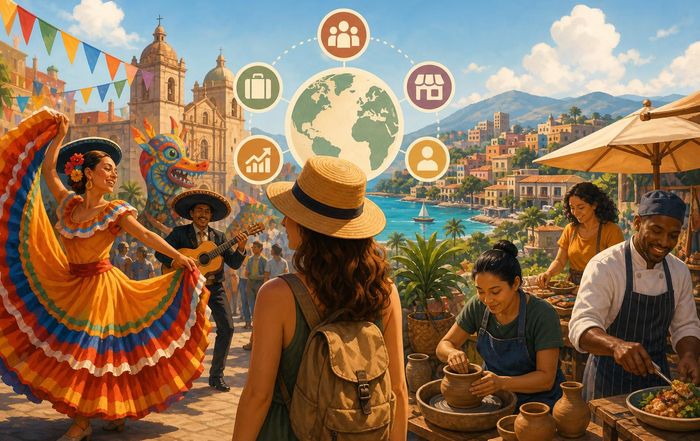
Why Cultural Events Matter for both Tourism AND Local Jobs
Cultural Events at the Heart of Modern Economies
Cultural events have emerged as one of the most dynamic drivers of tourism, local employment, and regional competitiveness, and for readers of usa-update.com, this evolution is not an abstract global trend but a daily reality that influences how cities, states, and entire regions in the United States and beyond attract visitors, create jobs, and shape their identities. From large-scale music festivals and film premieres to neighborhood food fairs and heritage celebrations, cultural programming has become a strategic economic asset, connecting the interests of local governments, tourism boards, businesses, and communities in a way that few other activities can match, and understanding this convergence is essential for anyone following developments in the economy, jobs, and lifestyle trends across North America and the wider world.
As policymakers and business leaders examine current indicators of growth, they increasingly recognize that cultural events are not peripheral entertainment but core components of their regional competitiveness strategies, which explains why economic analysts at organizations such as the World Travel & Tourism Council and the Organisation for Economic Co-operation and Development have devoted growing attention to the role of festivals, exhibitions, and creative gatherings in driving visitor spending, job creation, and urban renewal. Readers who follow the broader economic context on the usa-update.com economy page can see how these developments intersect with macroeconomic shifts, from exchange rate movements that shape inbound tourism to infrastructure investments that support event venues and transportation networks.
Tourism as an Engine of Growth in 2026
Tourism in 2026 has largely moved beyond the turbulence of the early 2020s and is now defined by a combination of pent-up demand, digital transformation, and a renewed emphasis on meaningful experiences, and cultural events sit precisely at the intersection of these forces. According to analyses from entities such as the UN World Tourism Organization, cultural and heritage tourism has been among the fastest-growing segments of international travel, with visitors increasingly selecting destinations not merely for scenery or shopping but for specific cultural calendars, from film festivals in Europe to food and wine events in North America and arts biennials in Asia and the Middle East. Learn more about how global tourism trends are reshaping destinations through resources such as the World Tourism Organization.
For the United States, this shift has particular importance because cities like New York, Los Angeles, Austin, Miami, Chicago, and New Orleans have long understood that their global appeal depends as much on cultural vibrancy as on traditional sightseeing, and as travel rebounds, cultural programming has become a crucial differentiator in competition with European hubs such as Paris, Berlin, and Barcelona, or Asian centers like Tokyo, Seoul, and Singapore. The U.S. Travel Association has highlighted how festivals, sports events, and conventions contribute significantly to domestic travel spending and visitor nights, reinforcing the notion that event calendars are now a central component of destination branding rather than optional additions. Those following tourism and mobility topics on usa-update.com travel coverage will recognize that the most successful destinations in 2026 are those that align their tourism strategies with a strong, coherent cultural narrative expressed through year-round events.
The Economic Mechanics Behind Cultural Events
Behind every headline-grabbing festival or widely shared social media moment lies a complex economic engine that transforms creative ideas into measurable local income and jobs, and understanding this engine is crucial for business readers who want to assess the real value of cultural tourism. When a major cultural event takes place, it stimulates direct spending on tickets, accommodation, dining, transportation, retail purchases, and local services, and this spending multiplies through the economy as hotels hire temporary staff, restaurants extend opening hours, transport companies run additional services, and local suppliers provide everything from staging equipment to security and cleaning.
Research led by institutions such as Brookings and the National Endowment for the Arts has demonstrated that cultural events often generate a higher proportion of local value retention than many other forms of tourism, because they rely heavily on local talent, small businesses, and creative entrepreneurs rather than solely on imported services. Learn more about the broader creative economy and its impact on regional development through sources such as Brookings' work on the creative sector or the National Endowment for the Arts. For readers monitoring the business environment through usa-update.com business insights, this means that investment in cultural programming can be seen not just as marketing expenditure but as a strategic allocation of resources that stimulates a wide network of local suppliers and service providers.
Furthermore, cultural events often play a catalytic role in urban regeneration and long-term economic repositioning, as seen in cities such as Austin with its music and technology festivals, Edinburgh with its world-renowned arts festivals, and Rio de Janeiro with its carnival traditions, where recurring events have shaped the global perception of these destinations and attracted sustained investment in venues, public spaces, and transport infrastructure. The World Economic Forum has noted that cities which successfully leverage culture and creativity often see improvements in their innovation ecosystems and attractiveness to skilled workers, and readers interested in how this intersects with technology and innovation can explore complementary trends on the usa-update.com technology section.
Job Creation Across the Skills Spectrum
One of the most significant contributions of cultural events to local economies is their capacity to create jobs across a wide spectrum of skills and educational levels, ranging from highly specialized creative roles to entry-level positions that provide crucial employment opportunities for students, part-time workers, and those re-entering the labor market. Event production requires the expertise of producers, sound engineers, lighting designers, stage managers, digital marketers, and data analysts, while front-of-house operations depend on ticketing staff, ushers, security personnel, hospitality workers, and transportation coordinators, and this layered structure of roles means that cultural tourism can be an inclusive source of employment.
Studies by organizations such as the International Labour Organization have emphasized that the tourism and cultural sectors are among the most labor-intensive parts of the service economy, with relatively high job creation per unit of investment compared with some capital-heavy industries, and this is particularly relevant for regions in North America, Europe, and emerging markets in Asia, Africa, and South America that are seeking to reduce unemployment and underemployment among young people. Learn more about global employment patterns in tourism and culture via the International Labour Organization and related labor market research. For readers following employment trends through usa-update.com jobs and employment coverage, the cultural events sector offers a clear example of how targeted investment can translate into concrete job opportunities.
Cultural events also provide a training ground for transferable skills that are increasingly valued across the broader economy, including project management, customer service, digital content creation, multilingual communication, and cross-cultural negotiation. Organizations such as the World Economic Forum and LinkedIn have documented the rising importance of soft skills and adaptability in the future of work, and event-based employment often requires exactly these capabilities, from coordinating international artist logistics to managing real-time social media engagement during festivals. Readers interested in how these competencies intersect with broader labor market shifts can connect these insights with ongoing trends highlighted on usa-update.com employment analysis.
The Role of Cultural Events in Local Business Ecosystems
Cultural events do not operate in isolation; they are closely interwoven with the broader local business ecosystem, and their success frequently depends on effective collaboration between event organizers, municipal authorities, tourism agencies, chambers of commerce, and private sector sponsors. When a city hosts a major festival, hotel occupancy rates rise, restaurant reservations surge, rideshare demand spikes, and retail foot traffic increases, and this concentration of spending can provide a critical boost for small and medium-sized enterprises that operate on thin margins, especially in downtown or historic districts that may otherwise struggle during off-peak seasons.
Organizations such as the U.S. Small Business Administration and Local Initiatives Support Corporation have highlighted how cultural programming can anchor neighborhood revitalization strategies, drawing visitors into areas that might previously have been overlooked and creating new opportunities for local entrepreneurs in food, design, crafts, and creative services. Learn more about how small businesses benefit from tourism and cultural programming through resources provided by the U.S. Small Business Administration. Readers who follow local and national developments on the usa-update.com news page will recognize recurring examples of cities using cultural events as focal points for public-private partnerships aimed at supporting small business resilience.
Corporate sponsors and major brands have also recognized the strategic value of aligning with cultural events, not only for marketing visibility but for demonstrating commitment to community development and cultural diversity. Companies like American Express, Citi, LVMH, and Netflix have invested in festivals, film events, and arts programming, seeing them as platforms that combine customer engagement with social impact, and this alignment has led to more sophisticated sponsorship models that integrate digital experiences, loyalty programs, and data-driven insights into visitor behavior. For business readers of usa-update.com, these evolving partnerships illustrate how cultural tourism intersects with corporate strategy, brand positioning, and stakeholder expectations around social responsibility.
Cultural Events and the Global Competition for Talent and Investment
In a world where talent and capital are increasingly mobile, cities and regions must compete not only on tax regimes and infrastructure but also on quality of life, cultural vibrancy, and creative opportunities, and cultural events have become a visible and measurable indicator of these attributes. International rankings such as the Global Liveability Index and the Global Talent Competitiveness Index frequently reference cultural amenities and event calendars as part of their assessments, and cities that host internationally recognized festivals, biennials, and cultural seasons often gain an advantage in attracting both skilled professionals and foreign direct investment.
For example, the global profiles of Austin and Toronto have been significantly enhanced by their music, film, and innovation festivals, while European cities such as Copenhagen, Amsterdam, and Barcelona have leveraged design weeks, music festivals, and arts events to reinforce their images as creative, livable, and internationally connected hubs. Learn more about how culture contributes to city competitiveness through analyses from organizations like the World Economic Forum and the Global Cultural Districts Network. For readers of usa-update.com, particularly those interested in international business and investment trends, these examples illustrate that cultural events are not merely local celebrations but strategic assets in the global competition for talent and capital, influencing where companies choose to open offices and where professionals decide to build their careers.
In the United States, regional economic development agencies have increasingly integrated cultural events into their marketing narratives when courting investors from Europe, Asia, and the Middle East, emphasizing not only tax incentives and workforce skills but also the quality of the cultural ecosystem, from museums and theaters to music venues and festivals. This holistic approach aligns with broader trends in corporate site selection, where decision-makers from companies such as Google, Microsoft, Siemens, and Samsung consider how a city's cultural life will affect employee satisfaction, retention, and the ability to attract international talent, and readers can relate these dynamics to broader business and policy coverage on usa-update.com international insights.
Based on your provided content.
Cultural Events: Tourism & Jobs Impact Hub
Explore how festivals, heritage celebrations, arts programming, and hybrid cultural experiences create visitor demand, local employment, business growth, and stronger place identity.
Technology, Digital Media, and the Evolution of Cultural Tourism
By 2026, technology has fundamentally reshaped how cultural events are designed, experienced, and monetized, and this transformation has profound implications for tourism and local jobs. The widespread adoption of streaming platforms, virtual reality, augmented reality, and advanced ticketing systems has allowed festivals and cultural institutions to reach global audiences far beyond the physical limits of their venues, and hybrid formats that combine in-person experiences with digital access have become standard practice rather than emergency adaptations. Learn more about the intersection of culture and digital innovation through resources from organizations such as MIT Media Lab and New York University's cultural analytics initiatives, which explore how data and technology are transforming creative industries.
For tourism, these digital extensions serve as powerful marketing tools, allowing potential visitors in Europe, Asia, or South America to experience a taste of a city's cultural life before deciding to travel, whether by watching live-streamed concerts, exploring virtual galleries, or engaging with interactive event content on social media platforms. The Pew Research Center and Statista have documented how digital media consumption patterns influence travel decisions, with younger travelers in particular discovering destinations through cultural content shared on platforms such as YouTube, TikTok, and Instagram, and this trend has encouraged tourism boards and cultural organizations to invest in professional content production, influencer partnerships, and data-driven campaign strategies. Readers interested in how these developments intersect with broader digital trends can connect them with the technology coverage on usa-update.com technology.
From a jobs perspective, the digitalization of cultural events has created new roles in live streaming production, virtual event design, data analytics, online community management, and digital ticketing, complementing traditional event roles and expanding the overall employment footprint of the sector. Platforms such as Eventbrite, Ticketmaster, and Cvent have become integral to event operations, while creative agencies specializing in immersive experiences and interactive installations have found new opportunities in designing hybrid cultural experiences that appeal to both local attendees and global online audiences. For business readers, this evolution underscores that cultural tourism is increasingly intertwined with the broader digital economy, offering opportunities for technology startups, creative agencies, and data analytics firms that can support and enhance the event experience.
Cultural Events, Place Branding, and Media Visibility
Cultural events have always played a role in shaping the narratives that define cities and countries, but in the hyperconnected media environment of 2026, their influence on place branding has become even more pronounced, with major festivals and cultural moments often generating global media coverage and social media conversations that can transform a destination's image almost overnight. The Cannes Film Festival, SXSW in Austin, Art Basel in Miami Beach and Basel, and Carnival in Rio de Janeiro are examples of events that have come to symbolize their host cities, and similar dynamics can be observed in emerging cultural hubs across Asia, Africa, and the Middle East.
Organizations such as UNESCO and Creative Commons have emphasized the importance of local cultural expression in shaping authentic place identities, and their work highlights that successful cultural events are those that build on genuine local heritage, creativity, and community engagement rather than simply importing generic entertainment formats. Learn more about cultural heritage and creative cities through resources from UNESCO's Creative Cities Network. For readers of usa-update.com, particularly those following lifestyle and cultural trends, this emphasis on authenticity explains why smaller, community-rooted festivals in U.S. cities and towns can generate as much loyalty and repeat visitation as larger, heavily commercialized events, especially among travelers seeking meaningful, place-specific experiences.
Media coverage of cultural events also has a direct economic dimension, as positive stories and compelling images can influence travel decisions, conference bookings, and even corporate location choices, and this is why city governments and tourism boards often invest significantly in media relations, influencer hosting, and content partnerships around major cultural moments. For those monitoring news and media narratives on the usa-update.com news section, it is increasingly clear that cultural events function as high-impact communication platforms that can reinforce or reshape a destination's reputation in the eyes of domestic and international audiences.
Sustainability, Regulation, and Responsible Growth
As cultural events scale up and attract larger audiences, questions of sustainability, regulation, and community impact have moved to the forefront of policy and business discussions, particularly in environmentally sensitive destinations and densely populated urban areas. Large festivals and events can place significant pressure on local infrastructure, generate waste, contribute to noise and congestion, and strain housing markets through short-term rentals, and these challenges have prompted regulators, environmental organizations, and community groups to demand more responsible approaches to event planning and tourism promotion.
Organizations such as the World Resources Institute, Sustainable Travel International, and the Global Sustainable Tourism Council have developed frameworks and best practices for reducing the environmental footprint of events, including guidelines on waste reduction, renewable energy use, carbon accounting, and sustainable mobility. Learn more about sustainable event management and responsible tourism through the Global Sustainable Tourism Council and related initiatives. For readers of usa-update.com, particularly those interested in regulation and energy policy, this evolution underscores that the future of cultural tourism will depend on aligning growth objectives with environmental stewardship, community well-being, and long-term resource management, themes that resonate with the coverage found on usa-update.com regulation and usa-update.com energy.
Regulatory frameworks have also expanded to address issues such as crowd control, public safety, labor standards, noise ordinances, and the use of public space, and event organizers must navigate a complex landscape of permits, inspections, and compliance requirements that vary across jurisdictions in the United States, Europe, Asia, and other regions. This regulatory environment has created demand for specialized legal, consulting, and risk management services, further expanding the employment ecosystem associated with cultural events, while also ensuring that events are organized in a manner that protects local residents, workers, and visitors. Readers following regulatory developments and consumer protection issues on usa-update.com consumer coverage will recognize that cultural events are increasingly subject to the same expectations of transparency, safety, and accountability that apply to other major industries.
Cultural Events, Inclusion, and Social Cohesion
Beyond their economic and regulatory dimensions, cultural events play a critical role in fostering social cohesion, intercultural dialogue, and a sense of belonging, particularly in diverse societies such as the United States, Canada, the United Kingdom, Germany, France, and many countries in Asia, Africa, and South America where migration, demographic change, and shifting social norms have transformed the cultural landscape. Festivals that celebrate different ethnic traditions, languages, and art forms create opportunities for mutual understanding and shared experiences, and they can help reduce social tensions by highlighting common values and human stories.
Organizations such as Americans for the Arts, National Endowment for the Humanities, and British Council have documented how cultural programming contributes to community resilience, civic engagement, and educational outcomes, and these findings support the argument that investment in cultural events is not only an economic strategy but also a social policy tool. Learn more about culture and social cohesion through resources from Americans for the Arts and similar organizations. For readers of usa-update.com, particularly those interested in lifestyle and community dynamics, this perspective underscores that the value of cultural events cannot be reduced to visitor numbers and spending alone; they also shape how residents perceive their own cities and neighborhoods, how young people connect with their heritage, and how newcomers are welcomed into the social fabric.
Inclusive cultural events also expand access to creative careers and entrepreneurial opportunities for underrepresented groups, including women, minorities, and youth from low-income backgrounds, by providing platforms for showcasing talent, building networks, and gaining professional experience. Initiatives supported by organizations such as Ford Foundation, Rockefeller Foundation, and Open Society Foundations have focused on ensuring that cultural funding reaches diverse communities and that event programming reflects the full spectrum of voices and stories within a society. These efforts align with broader debates about equity, representation, and opportunity that readers encounter across usa-update.com lifestyle and society coverage.
Entertainment, Lifestyle, and the Visitor Experience
For many travelers, cultural events are at the heart of how they experience a destination's entertainment and lifestyle offerings, and in 2026, the boundaries between tourism, entertainment, and everyday local life have become increasingly blurred. Visitors no longer seek only to watch performances or attend exhibitions; they want to participate in workshops, neighborhood tours, culinary experiences, and interactive installations that allow them to feel part of the local culture, even if only temporarily. This shift toward participatory and experiential tourism has been documented by organizations such as McKinsey & Company and Deloitte, which have highlighted the growing importance of experience-driven consumption in sectors ranging from travel and hospitality to retail and media. Learn more about experience-based tourism and consumer behavior through analyses from McKinsey and Deloitte.
For readers of usa-update.com who follow entertainment and lifestyle trends, this evolution means that cultural events are increasingly curated as holistic experiences that integrate music, food, design, technology, and storytelling, with visitors moving seamlessly from concerts and screenings to pop-up restaurants, local markets, and nightlife, and this integrated approach creates additional revenue streams for local businesses while enhancing the overall attractiveness of the destination. Coverage on usa-update.com entertainment often reflects this convergence, highlighting events that successfully combine artistic excellence with distinctive local flavors and immersive experiences.
From a business perspective, the rise of experience-driven cultural tourism has encouraged hotels, airlines, and travel platforms to develop packages and loyalty programs centered around event calendars, and companies in sectors such as fashion, food and beverage, and consumer electronics increasingly use cultural events as launchpads for new products and collaborations. This integration of cultural programming into broader lifestyle marketing strategies further underscores the central role that events play in shaping consumer choices and brand perceptions, both domestically and internationally.
Strategic Implications for Cities, Regions, and Businesses
For city leaders, regional planners, and business executives in 2026, the evidence is clear: cultural events matter for tourism and local jobs not as peripheral entertainment but as strategic assets that influence economic performance, social cohesion, and global competitiveness. To harness this potential effectively, stakeholders must adopt an integrated approach that aligns cultural programming with infrastructure planning, workforce development, digital strategy, sustainability goals, and regulatory frameworks, while maintaining a strong commitment to authenticity, inclusion, and community engagement.
Cities that succeed in this endeavor typically demonstrate several characteristics: they support a diverse ecosystem of cultural organizations, from major institutions to grassroots initiatives; they invest in accessible venues and public spaces that can host events of various scales; they foster collaboration between public agencies, private sponsors, and community groups; and they embrace digital tools to extend the reach and impact of their cultural programming. International examples from Melbourne, Montreal, Copenhagen, Seoul, and Cape Town illustrate how sustained investment in culture and events can transform a city's global profile and local economy over time, and readers can explore these case studies through resources provided by entities such as the OECD, UNESCO, and the World Cities Culture Forum.
For businesses, the rise of cultural tourism presents both opportunities and responsibilities, offering avenues for customer engagement, brand differentiation, and corporate citizenship, while also requiring careful attention to ethical considerations, community impact, and environmental sustainability. Companies that partner with cultural events must ensure that their involvement supports fair labor practices, respects local communities, and contributes to long-term capacity building rather than short-term extraction, and this alignment is increasingly scrutinized by consumers, investors, and regulators alike. Readers who follow finance and corporate strategy topics on usa-update.com finance coverage will recognize that environmental, social, and governance (ESG) considerations now extend into the realm of cultural sponsorship and tourism development.
The Role of usa-update.com in Tracking This Evolving Landscape
For a business-focused audience seeking to understand why cultural events matter for tourism and local jobs, usa-update.com serves as a valuable platform that brings together news, analysis, and perspectives across interconnected domains such as the economy, business, employment, lifestyle, regulation, energy, and consumer trends. By following updates on usa-update.com economy, readers can contextualize cultural tourism within broader macroeconomic shifts; through usa-update.com business, they can explore corporate strategies and investment patterns related to events and creative industries; and via usa-update.com travel and usa-update.com lifestyle, they can track how destinations and consumers adapt to changing preferences in entertainment and cultural experiences.
Furthermore, coverage on usa-update.com employment, usa-update.com regulation, and usa-update.com consumer provides insights into how labor markets, regulatory frameworks, and consumer expectations shape the operating environment for cultural events and tourism businesses, both in the United States and across key international markets such as Canada, the United Kingdom, Germany, France, Italy, Spain, the Netherlands, Switzerland, China, Japan, South Korea, Singapore, Brazil, South Africa, Australia, New Zealand, and others.
As 2026 progresses, the interplay between cultural events, tourism, and local jobs will continue to evolve under the influence of technological innovation, demographic change, environmental pressures, and geopolitical shifts, and staying informed about these developments will be essential for policymakers, investors, entrepreneurs, and community leaders. By providing timely reporting, in-depth features, and cross-sector analysis, usa-update.com is positioned to help its readers navigate this complex landscape, recognize emerging opportunities, and contribute to strategies that harness the power of culture to drive sustainable tourism, inclusive employment, and resilient local economies in the United States, North America, and around the world.
