
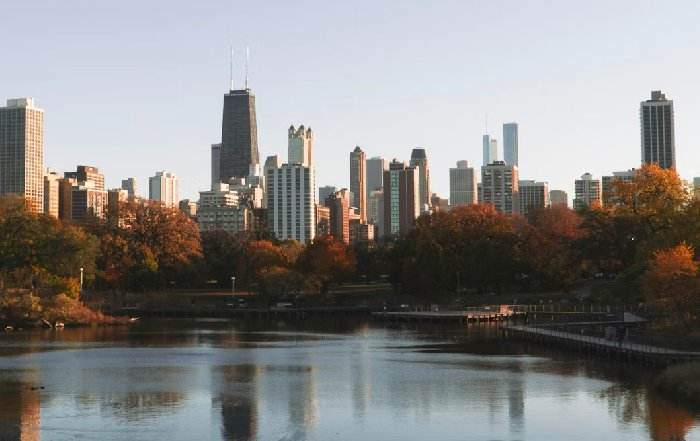
Urban Green Spaces and Public Health: A Strategic Imperative for Cities and Business
Urban Green Space as a Core Economic and Public Health Asset
The relationship between urban green spaces and public health has shifted from a niche environmental concern to a central pillar of economic strategy, risk management, and social stability in cities across the United States and worldwide. For the audience of usa-update.com, which follows developments in the economy, business, employment, regulation, and lifestyle, the expansion and smarter management of parks, tree canopies, greenways, and nature-based infrastructure now represent a measurable driver of productivity, healthcare savings, and long-term competitiveness, rather than a discretionary amenity.
Across major metropolitan regions in North America, Europe, and Asia, city governments, institutional investors, and large employers increasingly view urban green spaces as critical infrastructure that underpins workforce resilience, reduces climate-related losses, and supports livable, investable urban cores. Research from organizations such as the World Health Organization and the U.S. Centers for Disease Control and Prevention has deepened the evidence base connecting access to quality green space with reduced incidence of cardiovascular disease, anxiety and depression, respiratory illness, heat-related mortality, and sedentary lifestyle diseases. Readers can explore how public health agencies frame these connections by reviewing resources on urban health and green environments and community health strategies.
For a platform like usa-update.com, which tracks evolving intersections of economy, regulation, energy, and consumer behavior, this shift is particularly significant. Urban green spaces now sit at the crossroads of municipal bond markets, corporate ESG mandates, labor market competition, and climate adaptation planning, and they are shaping new policy debates that will define where capital, talent, and innovation concentrate over the coming decade.
The Health Science Behind Urban Nature: From Correlation to Causation
The scientific understanding of how urban greenery affects health has matured substantially. Early observational studies have been reinforced by longitudinal, cross-country, and neighborhood-level research that allows for stronger causal inferences. Data from institutions such as Harvard T.H. Chan School of Public Health and Johns Hopkins Bloomberg School of Public Health have demonstrated that higher tree canopy coverage and proximity to parks are associated with lower mortality rates and improved mental health, even after controlling for income, education, and baseline health status. Interested readers can examine how researchers quantify these impacts through resources on environmental health and chronic disease and urban environmental epidemiology.
The mechanisms are multifaceted. Green spaces encourage physical activity by making walking, cycling, and outdoor recreation more attractive and safer, which in turn contributes to lower obesity rates, improved cardiovascular health, and better metabolic outcomes. Vegetation improves air quality by filtering particulate matter and certain pollutants, and urban trees can reduce near-surface temperatures through shade and evapotranspiration, thereby mitigating heat island effects that disproportionately affect low-income and elderly populations. Studies summarized by The Lancet Public Health and BMJ have also documented lower levels of stress hormones and improved cognitive performance among individuals with regular access to natural environments, pointing to both physiological and psychological benefits.
At the same time, urban planners and public health professionals have become more nuanced in distinguishing between mere presence of greenery and meaningful access. Small, poorly maintained patches of vegetation or fenced-off lawns deliver far fewer benefits than well-designed, safe, and inclusive parks integrated into daily life. This evolution in thinking has influenced how local governments in the United States, Canada, and Europe structure their green infrastructure plans, and it has become a key topic in municipal policy coverage on the regulation and economy sections of usa-update.com, where readers track how zoning, building codes, and funding mechanisms are being recalibrated.
Economic Value: Healthcare Savings, Productivity Gains, and Real Estate Dynamics
From a business and finance perspective, the most compelling argument for investing in urban green spaces lies in the quantifiable economic returns. Analyses by The World Bank and OECD have estimated that urban nature-based solutions can generate substantial net benefits when reduced healthcare expenditures, improved worker productivity, avoided climate damages, and increased property values are accounted for. Readers can review international assessments of nature-based urban solutions and well-being metrics in cities.
In the United States, healthcare systems and insurers increasingly recognize that built environment interventions can reduce long-term costs. Preventive health strategies that integrate park prescriptions, active transportation networks, and community greenways align with the value-based care models promoted by Centers for Medicare & Medicaid Services and private health plans. As employers face persistent challenges in managing healthcare costs and supporting mental health, access to high-quality green space around workplaces has emerged as a non-trivial factor in benefits design and office location decisions, particularly in sectors competing for high-skill talent.
Real estate markets have also internalized the premium associated with proximity to parks and tree-lined streets. Data from Urban Land Institute and National Association of Realtors indicate that properties near well-maintained green spaces tend to command higher rental and sales prices, though this dynamic can exacerbate displacement risks if not managed through inclusive housing and land-use policies. For business readers of usa-update.com, these trends intersect with topics regularly covered in the business and finance sections, where the platform tracks how institutional investors, REITs, and infrastructure funds evaluate urban assets in light of climate and health considerations.
At a macro level, cities that systematically invest in green infrastructure can strengthen their economic resilience by reducing vulnerability to extreme heat, flooding, and air pollution episodes that disrupt business operations and tourism. Organizations such as Brookings Institution and McKinsey Global Institute have highlighted that climate-resilient, healthy cities are likely to attract more stable capital flows and maintain higher labor participation rates over time. Readers interested in broader global competitiveness dynamics can explore analyses of urban economic resilience and future of work in cities.
Global and Regional Perspectives: United States, Europe, and Beyond
While the underlying health science is broadly consistent across regions, policy responses and implementation strategies vary widely among the United States, Europe, Asia, and emerging economies. In the U.S., cities such as New York City, Los Angeles, Chicago, Houston, and Atlanta have adopted tree canopy goals, park equity initiatives, and climate adaptation plans that explicitly integrate green space expansion. National organizations like Trust for Public Land and American Planning Association provide guidance and benchmarking tools, helping municipal leaders compare park access and green infrastructure performance. Business and policy audiences can review comparative metrics on urban park access and planning best practices.
In Europe, cities including Copenhagen, Amsterdam, Paris, Berlin, Barcelona, and Stockholm have pursued more aggressive integration of green and blue infrastructure into transport, housing, and energy systems, often supported by EU-level funding and regulations that prioritize climate adaptation and biodiversity. The European Environment Agency documents these efforts and their measured impacts on health and emissions, offering case studies that are increasingly cited by North American city leaders. Readers may wish to explore how European cities are rethinking streetscapes and waterfronts through green urban planning frameworks.
In Asia, rapidly urbanizing regions in China, India, Thailand, Malaysia, and South Korea face more acute challenges due to high population densities, air pollution, and infrastructure deficits, yet several cities have embarked on ambitious green corridor and sponge city programs that combine flood control, recreation, and ecological restoration. The Asian Development Bank and UN-Habitat have documented these initiatives, providing insights into how emerging economies can leverage green infrastructure to manage urban growth. To understand these dynamics, readers can consult resources on sustainable urban development in Asia and nature-based climate adaptation.
For usa-update.com, which covers international developments in its international section, these global trends are not merely informational; they shape competitive benchmarks for U.S. metropolitan regions that aim to remain attractive to multinational corporations, mobile talent, and global investors who increasingly evaluate city quality of life and climate resilience alongside tax policy and market access.
Urban Green Spaces
& Public Health
A data-driven look at how nature transforms cities, economies, and lives
Global Park Access Leaders
% of residents within 10-min walk of a park
Sources: WHO, CDC, Harvard T.H. Chan, Trust for Public Land, OECD, Urban Land Institute
Urban Green Spaces, Labor Markets, and the Future of Work
The evolution of work patterns since the early 2020s has underscored the importance of urban environments that support well-being, flexibility, and social connection. Hybrid work models, accelerated by digital transformation and reinforced by worker preferences, have changed how and where people spend their time in cities. For employers and economic development agencies, the quality and accessibility of green spaces have become a differentiating factor in attracting and retaining talent, particularly in knowledge-intensive industries.
Surveys by organizations such as Gallup and Pew Research Center have documented rising expectations among workers for healthier, more sustainable, and more livable neighborhoods, with parks, greenways, and waterfronts frequently cited as essential amenities. These preferences intersect with broader lifestyle trends covered in the lifestyle and jobs sections of usa-update.com, where readers follow shifts in remote work, coworking, and urban migration patterns.
From a human resources and corporate real estate standpoint, proximity to green space contributes to reduced burnout, lower absenteeism, and improved team cohesion by providing attractive venues for walking meetings, outdoor collaboration, and informal social interaction. Research summarized by World Economic Forum and Chartered Institute of Personnel and Development indicates that investments in employee well-being, including access to nature, can yield measurable returns in engagement and retention. Readers can explore these connections through analyses of well-being and productivity and healthy workplace design.
For regional labor markets, cities that integrate green infrastructure into transit-oriented development and mixed-use districts are better positioned to support inclusive access to jobs and reduce commute-related stress. By linking parks and greenways to employment centers, educational institutions, and residential neighborhoods, urban planners can create networks that encourage active commuting while enhancing social cohesion. These strategies are increasingly discussed in policy and business forums, and they align with content on employment trends and urban economic development on usa-update.com, where the interplay between infrastructure, workforce, and competitiveness is a recurring theme.
Regulatory and Policy Frameworks: From Zoning to Climate Law
The integration of urban green spaces into public health and economic strategies is heavily shaped by regulatory frameworks at local, state, and national levels. Zoning codes, building standards, stormwater regulations, and climate adaptation plans collectively determine how much land is available for parks, how private developments contribute to green infrastructure, and how maintenance responsibilities are allocated.
In the United States, cities such as Seattle, Portland, Boston, and San Francisco have updated zoning and development codes to require or incentivize green roofs, permeable surfaces, tree planting, and public access to open spaces in large projects. These changes often align with stormwater management requirements under the Clean Water Act, as enforced by the U.S. Environmental Protection Agency, and with state-level climate resilience mandates. Business audiences can examine these regulatory trends through resources on green infrastructure and water management and climate adaptation planning.
At the federal level, recent infrastructure and climate legislation in the United States has provided new funding streams for urban forestry, park expansion, and resilience projects, often administered through agencies like U.S. Department of Transportation, Department of Housing and Urban Development, and Federal Emergency Management Agency. These programs encourage cities and states to integrate green infrastructure into transport corridors, affordable housing developments, and flood mitigation efforts, blending public health goals with economic and environmental objectives.
Internationally, regulatory frameworks such as the European Green Deal, national climate laws in countries like Germany, France, United Kingdom, and Denmark, and city-level climate emergency declarations have accelerated the integration of green spaces into land-use and mobility strategies. The European Commission and C40 Cities network provide detailed guidance on how cities can align urban nature investments with decarbonization, air quality, and health targets. Readers can learn more about these approaches through materials on EU urban policy and global city climate action.
For readers of usa-update.com, the regulatory dimension is particularly relevant to the regulation and energy sections, where coverage often focuses on how environmental and climate rules affect business operations, infrastructure planning, and investment decisions. Urban green space policy sits squarely within these debates, influencing permitting processes, compliance costs, and opportunities for public-private partnerships.
Technology, Data, and Innovation in Urban Green Planning
Advances in geospatial technology, remote sensing, and data analytics have transformed how cities plan, monitor, and evaluate urban green spaces. High-resolution satellite imagery, LiDAR, and AI-driven mapping tools enable planners and researchers to measure tree canopy cover, heat island intensity, and access disparities at a granular level. Organizations such as NASA, U.S. Geological Survey, and Esri have made powerful datasets and platforms more accessible to local governments, NGOs, and businesses. Readers can explore these tools through resources on urban remote sensing and GIS for smart cities.
These technologies support more targeted interventions, allowing city leaders to prioritize neighborhoods with the greatest health vulnerabilities, highest temperatures, or lowest park access. They also facilitate performance tracking and transparency, enabling the public and investors to assess whether commitments to tree planting, park equity, and climate resilience are being met. Digital platforms and mobile applications increasingly help residents locate nearby green spaces, report maintenance issues, and participate in community planning processes, strengthening civic engagement and trust.
In the private sector, technology firms, real estate developers, and infrastructure investors are incorporating environmental and health data into project design and due diligence. For example, property technology platforms may integrate green space and air quality indicators into their analytics, while insurers and reinsurers use climate and environmental models to price risk and encourage resilience measures. These intersections of technology, health, and urban design are a natural fit for coverage in the technology and business sections of usa-update.com, where readers follow emerging tools that shape investment and policy decisions.
Innovation is also evident in materials and design approaches. Nature-based solutions such as bioswales, rain gardens, green roofs, and living walls are increasingly used in dense urban areas where land is scarce, combining stormwater management, habitat creation, and aesthetic benefits. Research institutions and companies in countries like Japan, Singapore, Netherlands, and Switzerland are pioneering integrated green-blue systems that manage water, heat, and biodiversity simultaneously, offering models that U.S. cities can adapt. Organizations like ICLEI - Local Governments for Sustainability and World Resources Institute provide case studies and design guidance that can be accessed through resources on nature-based urban resilience and sustainable city innovation.
Equity, Inclusion, and Environmental Justice
A central challenge in leveraging urban green spaces for public health is ensuring that benefits are equitably distributed. Historically, low-income communities and communities of color in the United States, Canada, United Kingdom, and other countries have had less access to quality parks, tree canopy, and clean air, reflecting legacies of redlining, discriminatory zoning, and underinvestment. As a result, these neighborhoods often experience higher rates of asthma, heat-related illness, and chronic disease, compounding socioeconomic disadvantages.
In recent years, environmental justice movements and public health advocates have pushed for more explicit equity goals in urban greening initiatives. Federal and state programs in the U.S., such as those guided by the Justice40 initiative, increasingly require that a significant share of climate and infrastructure investments benefit disadvantaged communities. City governments are adopting park equity metrics, participatory budgeting, and community land trusts to ensure that green space expansion does not trigger displacement or gentrification without protections. Organizations like Greenlining Institute, NRDC, and NAACP Environmental and Climate Justice Program have been influential in shaping these conversations, and their analyses can be explored through resources on equitable climate investment and environmental justice.
For a business-focused audience, these equity considerations have direct implications for reputational risk, social license to operate, and workforce relations. Companies that participate in or benefit from urban redevelopment are increasingly scrutinized for how their projects affect local communities' access to green space and exposure to environmental risks. Investors integrating ESG factors into their decision-making, including large asset managers and pension funds in the United States, Europe, and Canada, are asking more pointed questions about social impact and community engagement in urban projects.
On usa-update.com, coverage of environmental justice issues intersects with news, consumer, and employment topics, as new regulations, lawsuits, and community campaigns shape the operating environment for businesses and public agencies. Urban green space initiatives that prioritize inclusive access, local hiring, and community stewardship are likely to be viewed more favorably by regulators, investors, and residents alike.
Tourism, Travel, and Urban Experience
Urban green spaces also play a growing role in shaping tourism and travel patterns. As travelers in North America, Europe, and Asia place more emphasis on wellness, sustainability, and authentic local experiences, cities that offer accessible parks, waterfronts, botanical gardens, and green cultural districts gain a competitive edge. Iconic examples such as Central Park in New York, Stanley Park in Vancouver, Hyde Park in London, Tiergarten in Berlin, and Gardens by the Bay in Singapore illustrate how green spaces can become central to a city's global brand and visitor economy.
Travel and hospitality sectors have recognized that proximity to attractive green areas can enhance hotel occupancy, restaurant revenue, and event attendance. Urban regeneration projects that transform former industrial or transportation corridors into linear parks and greenways, such as The High Line in New York or Cheonggyecheon Stream in Seoul, demonstrate how green infrastructure can simultaneously enhance resident quality of life and attract international visitors. Tourism boards and city marketing organizations increasingly highlight these assets in their campaigns, aligning with broader trends in sustainable travel documented by UN World Tourism Organization and World Travel & Tourism Council. Readers can learn more about these trends through resources on urban tourism and sustainability and travel and climate action.
For usa-update.com, which covers mobility and leisure in its travel and entertainment sections, the integration of green spaces into cultural events, festivals, and public programming is an important dimension of city competitiveness. Outdoor concerts, art installations, markets, and sports events in parks not only drive visitor spending but also reinforce the social fabric that supports long-term urban vitality and business confidence.
Energy, Climate, and Nature-Based Infrastructure
Urban green spaces are increasingly recognized as a component of broader energy and climate strategies. While parks and trees do not replace the need for decarbonizing power generation, buildings, and transport, they contribute to climate mitigation and adaptation in ways that have direct economic and health implications. Urban forests and soils sequester carbon, though at modest scales relative to total emissions, and more importantly, they can reduce cooling energy demand by lowering ambient temperatures and shading buildings.
Analyses by International Energy Agency and IPCC have highlighted that reducing urban heat islands can significantly cut peak electricity demand for air conditioning, particularly in hot climates in the United States, Southern Europe, Middle East, and parts of Asia. This reduction in peak load can defer or avoid investments in generation and grid infrastructure, while also lowering operating costs for businesses and households. Readers can explore these connections in reports on energy efficiency in buildings and cities and climate-resilient urban systems.
Green infrastructure also plays a critical role in managing urban flooding and stormwater, which have become more frequent and intense due to climate change. Parks, wetlands, green roofs, and permeable surfaces absorb and store water, reducing the burden on drainage systems and lowering the risk of property damage and business disruption. Insurance companies and reinsurers, including major players in Switzerland, Germany, and the United Kingdom, are paying close attention to these adaptation measures when assessing risk and pricing coverage in coastal and riverine cities.
For readers of usa-update.com, the intersection of green spaces with energy and climate policy is particularly relevant to the energy and economy sections, where coverage often examines how climate risks and regulations influence investment, infrastructure planning, and regional competitiveness. Nature-based infrastructure is not a substitute for decarbonization, but it is an increasingly important complement that can deliver co-benefits in health, livability, and cost avoidance.
Consumer Behavior, Real Estate Choices, and Lifestyle Shifts
Consumer preferences in housing, retail, and lifestyle have evolved toward greater emphasis on health, wellness, and environmental quality, and urban green spaces sit at the heart of this shift. Homebuyers and renters in the United States, Canada, Europe, Australia, and New Zealand frequently list access to parks, trails, and tree-lined streets among their top priorities, influencing where residential and mixed-use developments are built and how they are marketed. Real estate listings and platforms now routinely highlight walkability scores, green space proximity, and local environmental features.
Retail and hospitality businesses also benefit from green environments that attract foot traffic and encourage dwell time. Outdoor seating, shaded plazas, and pedestrian-friendly streetscapes enhance the customer experience and can increase sales, particularly in sectors such as food and beverage, leisure, and cultural industries. These dynamics are reflected in consumer research by organizations like Deloitte, PwC, and KPMG, which examine how sustainability and wellness influence spending patterns. Readers can explore these insights through analyses of consumer trends in sustainability and future of cities and retail.
For the audience of usa-update.com, which follows developments in the consumer and lifestyle domains, these trends signal that businesses ignoring the quality of their surrounding urban environment may face competitive disadvantages. Residential and commercial projects that integrate accessible, well-designed green space are better positioned to meet evolving consumer expectations, maintain asset value, and align with the health and sustainability priorities of both residents and regulators.
Strategic Implications for Cities, Business, and Investors
The evidence is clear that urban green spaces are not peripheral amenities but strategic assets that shape public health outcomes, economic performance, regulatory risk, and social cohesion. For city governments, this means that park systems, urban forestry, and nature-based infrastructure must be planned and funded with the same seriousness as transport networks, water systems, and energy grids. Integrated strategies that align public health departments, planning agencies, housing authorities, and economic development organizations are essential to maximize co-benefits and avoid fragmented or inequitable outcomes.
For businesses and investors, urban green spaces should be integrated into risk assessment, location strategy, and ESG frameworks. Corporate site selection processes that consider access to green space, climate resilience, and environmental justice are likely to yield more sustainable and resilient operations, while also supporting talent attraction and retention. Real estate and infrastructure investors who understand how green infrastructure influences long-term value, insurance costs, and regulatory exposure will be better equipped to navigate shifting market and policy landscapes.
For platforms like usa-update.com, which serves readers across the United States and internationally with coverage spanning economy, business, jobs, technology, regulation, energy, and consumer trends, urban green spaces and public health represent a unifying theme that connects many of the site's core interests. Whether examining new federal funding streams, innovative public-private partnerships, labor market shifts, or changing consumer expectations, the role of nature in cities will remain a critical lens through which to assess the risks and opportunities facing businesses, policymakers, and communities in the years ahead.
As urbanization continues in North America, Europe, Asia, South America, and Africa, and as climate pressures intensify, the strategic importance of urban green spaces will only grow. Cities that treat parks, trees, and nature-based infrastructure as essential components of their economic and public health systems will be better positioned to thrive, while those that neglect these assets may face mounting costs in healthcare, infrastructure damage, social instability, and lost competitiveness. For decision-makers following developments on usa-update.com, the challenge and opportunity lie in translating this recognition into sustained, equitable, and data-informed investment in urban nature, ensuring that the benefits of healthier, greener cities are shared widely across neighborhoods, sectors, and generations.
