
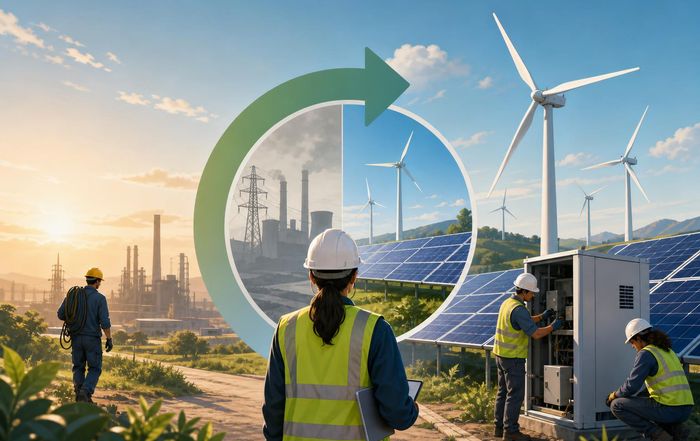
How Renewable Power Growth Is Changing Energy Jobs
The New Energy Reality Shaping the Labor Market
The global energy landscape has slowly changed into a new phase, and nowhere is this more visible than in the transformation of energy-related employment. The rapid expansion of solar, wind, battery storage and supporting digital technologies is reshaping how energy is produced, transmitted and consumed, and this in turn is redefining what kinds of jobs are being created, retooled or phased out. For new visitors and also long-term community members of USA update, who love to follow developments in the economy, business, employment, technology and regulation across the United States and key international markets, the growth of renewable power has become a central lens through which to understand broader structural shifts in labor, capital investment and industrial strategy.
The acceleration of clean energy deployment in the United States has been driven by a combination of declining technology costs, shifting consumer preferences, corporate decarbonization commitments and an increasingly assertive policy framework at federal and state levels. Similar dynamics are unfolding in Europe, Asia, South America and Africa, where governments and corporations are aligning energy strategies with climate goals and industrial competitiveness. The result is a profound reallocation of skills and capital from fossil fuel value chains toward renewable generation, grid modernization and electrification, which is changing not only the quantity of energy jobs but their geographic distribution, required expertise and long-term career prospects. Readers tracking these changes through usa-update.com's energy coverage can see how they intersect with developments in finance, technology, regulation and consumer behavior across North America and beyond.
From Fossil Fuels to Renewables: A Structural Employment Shift
The transition from fossil fuels to renewable energy is not a simple one-for-one replacement of coal miners with solar installers or refinery technicians with wind turbine engineers; it is a structural transformation in which the entire architecture of energy systems is being redesigned. Traditional fossil fuel industries, including coal mining, oil and gas extraction and thermal power generation, have historically provided well-compensated jobs concentrated in particular regions such as the U.S. Gulf Coast, Appalachia, Texas, Alberta in Canada, the North Sea basin in Norway and the United Kingdom, and major oil-producing regions in the Middle East and Africa. As global investment flows increasingly favor renewables, these regions are experiencing a complex mix of job losses, redeployments and new opportunities in adjacent or emerging sectors.
Organizations such as the International Energy Agency (IEA) have documented how global investment in clean energy has outpaced spending on fossil fuels, signaling a durable shift in capital allocation that is mirrored in employment patterns. Learn more about recent clean energy investment trends at the International Energy Agency. At the same time, the International Labour Organization (ILO) has highlighted that while the net employment impact of the energy transition can be positive, the distributional effects are uneven across regions, sectors and skill levels, requiring proactive labor and social policies. A detailed understanding of these dynamics is essential for business leaders and policymakers who follow broader economic developments and labor market trends in the United States and internationally.
In the United States, the policy environment shaped by the Inflation Reduction Act, infrastructure legislation and state-level renewable portfolio standards has accelerated utility-scale solar and wind deployment, electric vehicle adoption and grid modernization. This has created new demand for construction workers, electricians, engineers, project managers and data specialists, while simultaneously putting pressure on employment in coal-fired power plants and certain segments of oil and gas. Similar policy-driven shifts are visible in Germany's Energiewende, France's nuclear-renewable mix, China's massive wind and solar build-out and Brazil's expansion of biofuels and hydropower. For readers of usa-update.com's international section, these international case studies provide important context for understanding how U.S. energy employment fits into a broader global realignment.
The Rise of Renewable Energy Occupations
The growth of renewable power has given rise to a wide array of new occupations, many of which blend traditional trades and engineering disciplines with emerging digital and environmental competencies. Solar photovoltaic installation, for example, has become one of the fastest-growing occupations in the United States, driven by residential rooftop systems, commercial installations on warehouses and data centers, and large-scale utility projects across the Sun Belt and Midwest. Wind turbine technicians are in similarly high demand, particularly in states such as Texas, Iowa and Oklahoma, as well as in offshore wind hubs emerging along the U.S. East Coast, United Kingdom, Germany, Netherlands and Denmark.
Authoritative labor market data from the U.S. Bureau of Labor Statistics (BLS) illustrates how clean energy occupations are outpacing national averages in terms of growth rates and projected demand. Readers can review detailed occupational outlooks and wage data at the U.S. Bureau of Labor Statistics. Beyond front-line installation roles, the expansion of renewables has increased demand for electrical engineers, civil engineers, environmental scientists, power system planners and software developers who specialize in grid integration, forecasting and control systems. This convergence of physical infrastructure and digital intelligence is redefining what it means to work in the energy sector, and it is creating opportunities for professionals with backgrounds in data science, cybersecurity and artificial intelligence to contribute to energy system optimization.
The diversification of renewable energy occupations also extends to related fields such as energy efficiency, building retrofits and distributed energy resource management. As more businesses and households adopt smart thermostats, electric heat pumps, rooftop solar and battery storage, there is growing demand for technicians and service providers who can design, install and maintain integrated systems. Organizations such as the U.S. Department of Energy (DOE) have emphasized the role of energy efficiency in job creation and emissions reduction, providing data and case studies on how retrofitting buildings and modernizing industrial processes can create high-quality employment. Learn more about energy efficiency and workforce impacts at the U.S. Department of Energy. For readers of usa-update.com's business section, these trends illustrate how energy considerations are becoming embedded in broader corporate strategies and operational decisions.
Regional Winners, Losers and the Geography of New Energy Jobs
The geographic distribution of new energy jobs is one of the most consequential aspects of the renewable power transition, with significant implications for regional development, political dynamics and social cohesion. In the United States, states that have embraced renewable energy deployment and supportive regulatory frameworks, such as California, New York, Colorado and Massachusetts, as well as traditionally fossil fuel-oriented states like Texas and Oklahoma, are seeing substantial investment in wind, solar and grid infrastructure. This has led to the emergence of new energy corridors in parts of the Midwest, Great Plains and Southwest, where abundant wind and solar resources intersect with transmission capacity and land availability.
At the same time, coal-dependent regions in Appalachia and parts of the Midwest continue to grapple with plant closures and declining mining activity, raising complex questions about economic diversification, community resilience and targeted workforce support. Similar patterns can be observed internationally, where coal-producing regions in Germany's Ruhr area, Poland, China's interior provinces and South Africa are experiencing structural employment challenges as renewables and natural gas displace coal-fired generation. Organizations such as the World Bank have examined how just transition strategies can support affected communities through retraining, social protection and regional development initiatives. Learn more about just transition approaches at the World Bank.
For readers of usa-update.com's employment coverage, understanding these geographic dynamics is essential for assessing where new opportunities are likely to emerge and which regions may require more intensive policy support. In Canada, provinces such as Alberta and Saskatchewan are exploring diversification into hydrogen, carbon capture and renewables to complement their traditional oil and gas sectors, while Ontario and Quebec leverage hydropower and clean manufacturing. In Europe, Spain and Portugal are building out solar and wind to become energy exporters within the European market, while Norway and Denmark position themselves as leaders in offshore wind and maritime decarbonization. Across the Asia-Pacific, countries such as Australia, Japan, South Korea, Singapore and New Zealand are pursuing combinations of renewables, green hydrogen and advanced grid technologies, creating new regional hubs for innovation and employment.
How Clean Energy Is Reshaping Work
Explore the shift from fossil-fuel-centered employment toward solar, wind, storage, grid modernization, digital energy, finance, policy and just-transition careers.
Solar & Storage
Installers, electricians, battery technicians and project managers scale distributed and utility systems.
Wind Power
Technicians and engineers support onshore corridors and offshore hubs with specialized maintenance skills.
Grid Modernization
Power planners, civil engineers and operators integrate renewables, transmission and flexibility resources.
Digital Energy
Software, data, AI and cybersecurity roles optimize variable power and protect critical infrastructure.
Clean Finance
Project finance, climate risk, carbon accounting and compliance turn renewables into a mainstream asset class.
Consumer Energy
Energy advisors, sales teams and service specialists help homes adopt solar, EV charging and smart systems.
Capital Reallocation
Investment moves from fossil-fuel value chains toward renewable generation, electrification and grid upgrades.
Regional Reshaping
Wind, solar and transmission corridors create new opportunities while coal-dependent regions need targeted support.
Skills Conversion
Mechanical aptitude, safety discipline and field experience can transfer into renewables with focused credentials.
New Professions
Grid flexibility traders, virtual power plant operators, hydrogen engineers and carbon removal managers emerge.
Legacy Energy Pressure
- Coal mining and coal power plant roles face long-term decline.
- Oil, gas and refining regions need diversification strategies.
- Communities require income support, retraining and regional investment.
Renewable Growth Pull
- Solar, wind, storage and grid projects increase demand for skilled labor.
- Digitalization adds software, data and cybersecurity careers.
- Policy and finance create white-collar energy-transition roles.
Skills, Training and the Reskilling Imperative
The transformation of energy jobs is as much a skills story as it is a technology or investment story. As renewable power becomes more central to national energy systems, the demand for workers with specific competencies in electrical systems, digital tools, safety standards and project management is increasing sharply. At the same time, many of the core skills possessed by workers in fossil fuel industries-such as mechanical aptitude, familiarity with heavy equipment, adherence to safety protocols and experience in remote or challenging environments-are highly transferable to renewable energy roles, provided that targeted retraining and credentialing are made available.
Educational institutions, unions, industry associations and government agencies are playing critical roles in designing and delivering training programs that align with the emerging needs of the clean energy economy. Community colleges and technical institutes across the United States are expanding curricula in solar installation, wind turbine maintenance, battery storage systems and energy management, often in partnership with leading companies and utilities. The National Renewable Energy Laboratory (NREL), an arm of the U.S. Department of Energy, provides research, tools and workforce resources that help shape training standards and best practices. Learn more about renewable energy workforce resources at the National Renewable Energy Laboratory.
Internationally, organizations such as the International Renewable Energy Agency (IRENA) have emphasized the importance of coordinated skills strategies to ensure that labor markets can respond effectively to the rapid growth of renewable power. Their analyses highlight the need for both technical and soft skills, including problem-solving, teamwork and adaptability, to thrive in an industry characterized by rapid technological change and complex project delivery. Readers interested in global workforce trends can explore additional insights at the International Renewable Energy Agency. For visitors to usa-update.com's jobs section, this growing emphasis on skills and training underscores the importance of continuous learning and professional development in navigating career paths within the evolving energy landscape.
Technology, Digitalization and the New Energy Professions
The growth of renewable power is deeply intertwined with advances in digital technologies, which are transforming how energy systems are planned, operated and optimized. Modern solar and wind farms are sophisticated data-driven operations, relying on sensors, advanced analytics, predictive maintenance and real-time grid coordination to maximize output and reliability. As a result, the energy sector is increasingly hiring software engineers, data scientists, cybersecurity specialists and artificial intelligence experts who can design and manage digital platforms that integrate variable renewable resources with demand response, storage and conventional generation.
Technology companies such as Microsoft, Google, Amazon Web Services and IBM have become significant players in the energy space, offering cloud-based solutions, grid optimization tools and advanced analytics platforms to utilities, grid operators and renewable developers. Learn more about how digitalization is reshaping energy systems at the World Economic Forum. This convergence of energy and digital technology is also evident in the rapid expansion of electric vehicles and charging infrastructure, where software-driven platforms manage charging patterns, grid impacts and customer interfaces. The rise of "prosumers," who both consume and produce energy through rooftop solar and storage, adds further complexity that must be managed through sophisticated digital tools.
For readers of usa-update.com's technology section, the integration of renewable power with digital innovation offers a clear illustration of how technology is disrupting traditional sectors and creating new interdisciplinary career paths. Cybersecurity has emerged as a particularly critical area, as the increasing digitalization and interconnection of energy systems expose them to new vulnerabilities. Agencies such as the U.S. Cybersecurity and Infrastructure Security Agency (CISA) provide guidance and resources to help protect critical energy infrastructure from cyber threats, reinforcing the need for specialized cybersecurity talent within utilities and energy companies. Learn more about energy sector cybersecurity at the Cybersecurity and Infrastructure Security Agency.
Policy, Regulation and the Framework for Energy Employment
Regulation and policy frameworks are central determinants of how renewable power growth translates into concrete employment outcomes. In the United States, federal legislation, state-level renewable portfolio standards, tax incentives and regulatory decisions by bodies such as the Federal Energy Regulatory Commission (FERC) and state public utility commissions shape the pace and structure of renewable deployment. These policies influence where projects are built, what kinds of technologies are favored, how grid upgrades are financed and how labor standards are integrated into project development, all of which have direct implications for job creation, wages and working conditions.
The U.S. Environmental Protection Agency (EPA) plays a critical role in setting emissions standards and environmental regulations that affect the economics of fossil fuel plants and create incentives for cleaner alternatives. Learn more about environmental regulations affecting power generation at the U.S. Environmental Protection Agency. At the same time, labor provisions embedded in infrastructure and clean energy legislation increasingly tie public support to prevailing wage requirements, apprenticeship utilization and domestic content rules, aligning industrial policy with workforce development goals. This linkage is particularly important for ensuring that the energy transition generates high-quality jobs that support middle-class livelihoods rather than a race to the bottom in terms of wages and safety.
Internationally, regulatory frameworks such as the European Union's Green Deal, Japan's long-term decarbonization strategies and South Korea's Green New Deal are establishing targets and incentives that guide investment and employment in renewables, energy efficiency and green infrastructure. Multilateral agreements and climate commitments, including the Paris Agreement, provide an overarching framework that encourages countries to align national policies with global climate objectives, indirectly shaping energy job markets worldwide. For readers following regulatory trends through usa-update.com's regulation coverage, understanding these policy architectures is essential for anticipating where and how new energy jobs will emerge across different jurisdictions.
Finance, Investment and the Professionalization of Clean Energy Careers
The growth of renewable power is inseparable from the evolution of energy finance, as institutional investors, banks and asset managers reallocate capital toward low-carbon assets and away from high-risk fossil fuel projects. This financial realignment is creating new professional roles in project finance, infrastructure investment, risk management and sustainable finance, as organizations develop specialized expertise to evaluate, structure and manage renewable energy portfolios. Major financial institutions such as BlackRock, Goldman Sachs, JPMorgan Chase and BNP Paribas have expanded their clean energy and sustainable finance teams, while development banks and export credit agencies support large-scale projects in emerging markets.
Frameworks such as the Task Force on Climate-related Financial Disclosures (TCFD) and the International Sustainability Standards Board (ISSB) are shaping how companies and investors measure and disclose climate-related risks and opportunities, which in turn influences capital allocation decisions. Learn more about climate-related financial disclosures at the Task Force on Climate-related Financial Disclosures. For professionals in accounting, legal services, consulting and risk management, this has created a new layer of demand for expertise in climate risk assessment, carbon accounting and regulatory compliance, all of which intersect with renewable energy deployment strategies.
For readers of usa-update.com's finance section, the professionalization of clean energy finance underscores how the energy transition is reshaping white-collar employment as much as it is transforming field-based and technical roles. Private equity firms, infrastructure funds and sovereign wealth funds are building dedicated teams focused on renewable energy and energy transition investments, while corporate treasurers and chief financial officers integrate energy and climate considerations into capital planning and investor communications. This expansion of specialized financial roles reinforces the perception of renewable energy as a mainstream, long-term asset class rather than a niche or speculative segment.
Consumer Behavior, Lifestyle and the Indirect Energy Workforce
While much of the discussion around renewable power and jobs focuses on direct employment in generation, construction and grid infrastructure, consumer behavior and lifestyle changes are also creating new categories of work. As more households in the United States, Canada, Europe, Australia and New Zealand adopt rooftop solar, home battery systems, electric vehicles and smart home technologies, there is growing demand for sales professionals, customer service representatives, energy advisors and digital platform managers who can support consumers through the adoption and usage process. These roles often sit at the intersection of energy, technology and consumer services, reflecting a broader blurring of sector boundaries.
Organizations such as the Rocky Mountain Institute (RMI), now known as RMI, and research groups at universities across North America, Europe and Asia have highlighted how consumer-centric energy models can unlock new value streams and job opportunities in areas such as energy-as-a-service, home energy management and community solar. Learn more about consumer-centric energy models at RMI. For readers of usa-update.com's lifestyle coverage, the integration of clean energy into everyday life illustrates how the energy transition extends beyond industrial facilities and utility-scale projects into homes, neighborhoods and local businesses.
The travel and tourism sectors are also being reshaped by renewable energy and decarbonization efforts, creating new roles in sustainable tourism management, green building operations and low-carbon transportation planning. Airlines, hotels and tourism boards in destinations such as France, Italy, Spain, Thailand, Singapore and South Africa are increasingly incorporating renewable energy and carbon reduction strategies into their operations and marketing, which requires specialized expertise in sustainability reporting, energy procurement and stakeholder engagement. Readers following developments in travel and events on usa-update.com can see how these shifts intersect with broader trends in consumer preferences and corporate responsibility.
Managing the Social Contract: Just Transition and Worker Protections
The concept of a "just transition" has moved from academic and activist circles into mainstream policy and business discourse, reflecting a growing recognition that the shift to renewable power must be managed in a way that is fair to workers and communities affected by the decline of fossil fuels. Labor organizations, community groups, governments and companies are negotiating the terms under which plant closures, retrenchments and redeployments occur, seeking to balance environmental imperatives with economic security and social stability. This involves not only retraining and job placement services but also income support, community investment, pension protections and inclusive decision-making processes.
In the United States, initiatives at the federal and state levels aim to support coal and power plant communities through targeted grants, infrastructure projects and workforce development programs, often in collaboration with unions such as the United Mine Workers of America (UMWA) and the International Brotherhood of Electrical Workers (IBEW). Internationally, countries such as Germany, Spain and Canada have implemented structured just transition frameworks that provide lessons for other jurisdictions. The Organisation for Economic Co-operation and Development (OECD) has examined best practices in just transition policies, highlighting the importance of early planning, social dialogue and integrated regional development strategies. Learn more about just transition policy approaches at the OECD.
For readers tracking policy debates through usa-update.com's news coverage, the evolution of just transition frameworks is central to understanding how the political economy of the energy transition is unfolding. The credibility of renewable power as a driver of shared prosperity depends not only on its capacity to reduce emissions and lower energy costs but also on its ability to provide stable, dignified work and to support communities that have long depended on fossil fuel industries. Businesses that engage proactively with labor and community stakeholders are better positioned to manage reputational risks, secure project approvals and build durable social license for their operations.
Strategic Implications for Businesses and Workers
For businesses operating in or adjacent to the energy sector, the growth of renewable power requires a strategic reassessment of workforce planning, capital investment and risk management. Energy-intensive industries, including manufacturing, data centers, mining and transportation, must evaluate how renewable power procurement, electrification and efficiency improvements affect their cost structures, competitiveness and employment profiles. Companies that move early to secure clean energy supplies and develop internal capabilities in energy management and sustainability are better positioned to attract talent, meet investor expectations and comply with evolving regulatory requirements.
Professional service firms, including law firms, consultancies and engineering companies, are expanding their energy transition offerings, creating new roles for lawyers, consultants and technical experts who specialize in renewable project development, permitting, environmental impact assessment and stakeholder engagement. For workers, the key strategic consideration is how to align skills and career trajectories with sectors and roles that are likely to grow as the energy transition accelerates. This often involves investing in additional training, certifications or degrees, as well as cultivating adaptability and cross-disciplinary literacy.
Readers of usa-update.com's business and economy sections can observe how leading corporations in the United States, Europe, Asia and other regions are integrating renewable energy into their competitive strategies, supply chain management and workforce planning. Multinational companies with operations in countries such as Germany, China, Brazil, India, Singapore and South Africa must navigate diverse regulatory regimes and energy market structures, requiring sophisticated internal expertise and localized approaches to workforce development. The organizations that succeed in this environment will be those that treat renewable power not as a narrow compliance issue but as a core driver of innovation, resilience and value creation.
What's to Come Ahead with The Future of Energy Work in a Decarbonizing World?
Right now the trajectory of renewable power growth appears firmly established, even as geopolitical tensions, supply chain disruptions and macroeconomic uncertainties create periodic volatility. The long-term direction of travel toward decarbonization, electrification and digitalization is clear, and this direction will continue to reshape energy jobs across the United States, North America and the wider world. For the up-to-date fresh news seeking member audience of usa-update, which typically includes interests in the economy, finance, employment, technology, regulation, lifestyle and consumer trends, the evolution of energy work offers a powerful prism through which to understand broader transformations in how societies produce value, manage risk and distribute opportunity.
In the coming years, new job categories that are only emerging today-such as grid flexibility traders, virtual power plant operators, hydrogen systems engineers and carbon removal project managers-are likely to become more prominent, while legacy roles in coal mining, oil refining and conventional power plant operations continue to decline. The challenge and opportunity for policymakers, businesses and workers alike is to ensure that the transition is managed in a way that maximizes its economic, social and environmental benefits. Investments in education, training, social protection and regional development will be critical, as will regulatory and financial frameworks that reward innovation and long-term thinking.
For USA update, chronicling this transformation means not only painstakingly reporting on headline job numbers and project announcements but also providing nuanced analysis of how renewable power growth is changing the lived experience of workers, the strategic calculus of businesses and the fabric of communities. By connecting developments in energy with related stories in economy, finance, technology, employment, energy and other key areas, the growing platform can help its interactively engaged audience navigate the complexities of the energy transition with clarity, insight and a focus on long-term opportunity. In doing so, it reinforces the central message that the future of energy work is not predetermined but is being shaped, day by day, by the choices of policymakers, business leaders, workers and consumers across the United States and around the world.
