
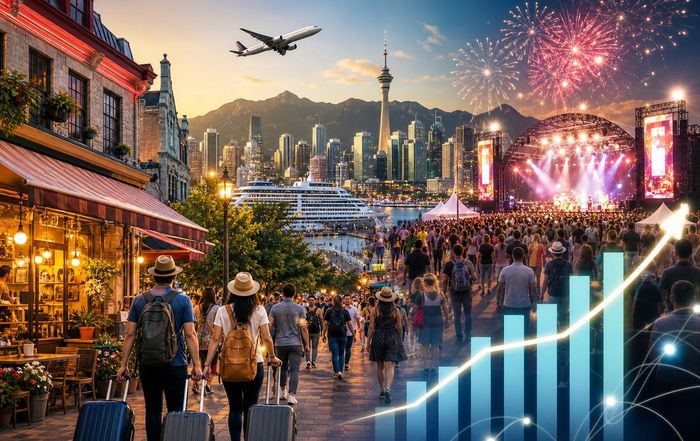
How Major Events Influence Tourism and Local Business
Major events, from global sports tournaments and political conventions to music festivals and technology expos, have become powerful catalysts for tourism and local business development. For destinations across the United States and around the world, the right event at the right time can reshape a city's image, accelerate infrastructure upgrades, and generate billions of dollars in visitor spending. At the same time, these events can strain public services, drive up prices, and leave mixed legacies if they are not planned and managed with care.
For visitors here today understanding how major events influence tourism and local economies is not just about headline numbers; it is about how cities, small businesses, workers, and communities experience these surges of attention and activity. As governments, event organizers, and local enterprises look ahead to the next wave of global gatherings, the lessons from recent years offer a nuanced picture of both opportunity and risk.
Defining "Major Events" in a Global Tourism Economy
Analysts typically distinguish between different categories of major events, each with its own pattern of economic and tourism impacts. Mega sporting events such as the Olympic Games, the FIFA World Cup, and the Super Bowl attract international visitors, global media coverage, and substantial public investment. Large-scale cultural and entertainment events, including festivals like Coachella, South by Southwest (SXSW), and Edinburgh Festival Fringe, blend tourism with creative industries and often recur annually. Business-focused events such as global technology conferences, trade shows, and industry summits, including CES in Las Vegas and the World Economic Forum in Davos, bring high-spending professional travelers and can help reposition cities as innovation hubs.
Organizations such as the World Tourism Organization (UNWTO) and World Travel & Tourism Council (WTTC) emphasize that events play a central role in destination branding, particularly as countries compete for visitors in an increasingly digital and experience-driven travel market. Those interested in broader trends can explore how events fit into global tourism strategies through resources from UNWTO and WTTC, where policymakers and industry leaders discuss the long-term role of events in sustainable tourism growth.
For USA update active visitors focused on the American landscape, this framework helps explain why cities from Los Angeles and Miami to Austin and Nashville are competing fiercely to host marquee occasions. These events are no longer seen only as short-term spectacles; they are often treated as multi-year economic development projects that can transform how residents, investors, and visitors perceive a place.
Economic Ripple Effects: Beyond the Headline Numbers
The most visible impact of major events is the surge in visitor spending on accommodation, dining, transportation, entertainment, and shopping. Studies by organizations such as Oxford Economics and tourism boards in the United States and Europe show that large-scale events can generate hundreds of millions of dollars in direct spending, with indirect and induced effects often extending into supply chains and local employment. For example, independent analyses of recent Super Bowls have documented substantial increases in hotel occupancy, restaurant revenue, and short-term jobs, even as researchers debate the exact magnitude of the net gain.
Readers can explore broader macroeconomic context in the USA update economy section, which frequently highlights how tourism surges intersect with consumer confidence, inflation trends, and regional growth. When an event arrives in a city, it does not operate in isolation; it amplifies or moderates existing economic conditions.
The economic ripple effects typically unfold in several layers. Direct spending refers to money spent by visitors and organizers on goods and services such as hotel rooms, venue rentals, catering, local transport, and event production. Indirect effects arise when local suppliers and contractors increase their purchases from other businesses to meet event-related demand, while induced effects occur when workers employed in event-related activities spend their income locally. This framework, used by institutions like the U.S. Bureau of Economic Analysis (BEA) and academic economists, is central to evaluating the true scale of an event's economic footprint.
However, independent research published through platforms such as the National Bureau of Economic Research (NBER) and academic journals has repeatedly cautioned that headline economic impact estimates, often commissioned by event promoters or host cities, may overstate benefits by not fully accounting for displacement effects. Some residents and regular visitors avoid cities during major events due to congestion and price spikes, and local spending that would have occurred anyway is sometimes incorrectly counted as new. Readers interested in the methodological debates can review discussions on NBER's website and through resources from the Brookings Institution, where economists dissect the assumptions behind impact studies.
For USA update, this underscores a key editorial principle: major events can be powerful economic engines, but their benefits are not automatic. Outcomes depend heavily on planning quality, transparency in public spending, and the ability of local businesses and workers to participate in the surge of opportunity.
Tourism Dynamics: Destination Branding and Visitor Behavior
From a tourism perspective, major events serve as high-intensity marketing campaigns that can reposition cities and regions in the global imagination. When millions of viewers watch an Olympic opening ceremony or follow a music festival livestream, they are not only engaging with athletes or artists; they are also seeing images of skylines, neighborhoods, and cultural landmarks that may influence future travel choices.
Organizations such as Destination International and national tourism boards highlight how events can accelerate destination branding efforts that might otherwise take years. For instance, coverage of large sports tournaments often includes feature segments on local cuisine, history, and attractions, while music and film festivals can spotlight emerging creative districts and independent businesses. Interested readers can learn more about how cities leverage events in destination marketing through resources from Destination International and Brand USA, the official destination marketing organization for the United States.
For USA update, which frequently reports on travel and lifestyle trends in its travel section and lifestyle section, it is particularly relevant that event-driven tourism often extends beyond the event dates. Many visitors arrive early or stay longer to explore nearby regions, and successful host cities design itineraries and promotional campaigns to encourage this behavior. Local tour operators, museums, and cultural institutions can benefit from curated packages that integrate event tickets with broader experiences, turning a single event into a gateway for deeper engagement with the destination.
At the same time, tourism dynamics around major events are evolving as travelers become more conscious of sustainability, authenticity, and social impact. Surveys by organizations such as Booking.com and Airbnb indicate that many travelers are now more likely to seek local experiences, support small businesses, and consider environmental footprints when planning trips that include events. Readers can explore these evolving preferences through resources provided by Booking.com's sustainability reports and research shared on Airbnb's newsroom, which often highlight how guests choose neighborhoods and experiences during major gatherings.
Event Impact Scenario Explorer
Adjust the sliders to explore how different event profiles can influence visitor spending, local jobs, and small business participation.
Local Business: Short-Term Windfalls and Long-Term Transformation
For local businesses, major events present a mix of short-term revenue opportunities and long-term strategic shifts. Hotels, restaurants, bars, and transportation providers are the most obvious beneficiaries, as they experience spikes in demand and often adjust pricing to reflect peak periods. However, the impact extends across a wider ecosystem that includes small retailers, event production companies, marketing agencies, security firms, technology vendors, and freelance professionals.
In many U.S. cities, chambers of commerce and small business associations now work proactively with event organizers to ensure that local enterprises are integrated into procurement and vendor selection processes. Resources from organizations like the U.S. Chamber of Commerce and the Small Business Administration (SBA) outline best practices for small businesses seeking to capitalize on major events, including early planning, partnerships, and digital marketing strategies. Those interested can learn more about small business event strategies and explore guidance from the SBA on preparing for demand surges.
For USA update, which regularly covers entrepreneurship and corporate trends in its business section, it is notable that many local businesses use major events as launch pads for brand repositioning or expansion. A restaurant might redesign its menu to highlight regional cuisine for international visitors, a retailer might introduce limited-edition merchandise tied to the event theme, or a technology startup might showcase its products to global investors and partners attending a conference. In some cases, the visibility gained during a single event can lead to sustained growth if businesses capture customer data, build online communities, and maintain relationships beyond the event period.
However, the distribution of benefits is not always even. Research from institutions such as Harvard Business School and MIT Sloan has highlighted that larger, well-capitalized firms are often better positioned to navigate complex procurement processes, secure premium locations, and invest in marketing, while smaller businesses may struggle with short notice, rising costs, and competition from national or international brands. Interested readers can explore academic perspectives on event-driven inequality through resources hosted by Harvard Business School and MIT Sloan, where case studies examine how local ecosystems respond to mega-events.
To mitigate these disparities, some host cities and event organizers have introduced supplier diversity programs, local vendor quotas, and training initiatives aimed at helping small and minority-owned businesses participate. These efforts align with broader trends in inclusive economic development that USA update continues to watch, especially as American cities seek to balance growth with equity.
Jobs, Employment, and Workforce Development
Major events are often associated with job creation, particularly in sectors such as hospitality, construction, transportation, security, and event management. While many of these jobs are temporary or seasonal, they can provide important income opportunities for local residents and, in some cases, lead to longer-term employment in growing industries.
For readers interested in labor market dynamics, USA update maintains dedicated coverage in its jobs section and employment section, where analysts examine how events intersect with broader trends such as gig work, automation, and workforce training. Large events can accelerate hiring in areas like catering, logistics, guest services, and digital media, often relying on a mix of full-time staff, contractors, and volunteers.
Studies by organizations such as the International Labour Organization (ILO) and OECD indicate that the quality and longevity of event-related jobs depend heavily on the host city's broader economic strategy. Where events are embedded in long-term tourism, creative industry, or infrastructure plans, they can help build skills that remain valuable after the crowds depart. For example, workers trained in advanced security protocols, multilingual customer service, or digital ticketing systems may find ongoing opportunities in hospitality and technology sectors. Readers can explore these workforce implications through resources from the ILO and OECD tourism and employment reports.
In the United States, initiatives supported by organizations like Travel & Tourism Education programs and local workforce boards increasingly integrate event-related training into broader career pathways. Hospitality schools, community colleges, and vocational programs partner with event organizers to offer internships, certifications, and real-world experience. This approach reflects a shift from viewing major events as isolated booms toward treating them as catalysts for human capital development.
Nevertheless, concerns remain about job precarity, wage levels, and working conditions during intense event periods. Labor unions, worker advocacy groups, and regulatory agencies monitor compliance with labor laws, occupational safety standards, and fair scheduling practices. Readers interested in the regulatory and labor dimensions can find context in the often cited regulation section, which often highlights how local and federal authorities respond to the unique pressures of large-scale gatherings.
Infrastructure, Technology, and Urban Innovation
Major events frequently accelerate infrastructure projects that might otherwise face delays, including transportation upgrades, venue construction, digital connectivity improvements, and public space enhancements. While some of these investments are event-specific, many have lasting benefits for residents and future visitors.
Recent years have seen host cities prioritize sustainable and smart infrastructure, aligning event planning with climate goals and digital transformation strategies. Public transit expansions, bike lanes, pedestrian zones, and energy-efficient stadiums are increasingly common, reflecting both environmental concerns and changing traveler expectations. Organizations such as C40 Cities and the Global Infrastructure Facility document how cities integrate major events into broader urban climate and resilience plans; readers can explore these themes through C40's case studies and Global Infrastructure Facility resources.
The technology dimension of events is particularly relevant and is regularly featured in the technology section. Major events are now testbeds for innovations such as 5G connectivity, mobile ticketing, facial recognition security, real-time crowd analytics, augmented reality experiences, and contactless payments. Technology companies collaborate with event organizers and local governments to pilot solutions that, if successful, can be scaled to other contexts. For example, telecom providers often use sports tournaments and large festivals to showcase network capabilities, while startups in mobility, logistics, and digital entertainment gain exposure by supporting event operations.
Smart city platforms that integrate traffic management, emergency response, and public information systems are increasingly deployed around major events, with lessons learned later applied to everyday urban management. Resources from organizations like the Smart Cities Council and IEEE provide deeper insights into how event-driven innovation feeds into long-term digital infrastructure; interested readers can learn more about smart city deployments and review IEEE's work on smart infrastructure.
However, infrastructure and technology investments also carry risks if they are not carefully aligned with community needs. Critics have pointed to cases where expensive venues become underutilized "white elephants" after events, or where surveillance technologies deployed for security remain in place without adequate oversight. This tension between innovation and privacy, or between world-class venues and everyday affordability, is part of the complex legacy calculus that cities must manage.
Regulation, Security, and Consumer Protection
Hosting major events requires intricate coordination among local, national, and sometimes international authorities. Security planning, crowd control, transportation management, health protocols, and consumer protection measures all come under intense scrutiny. In recent years, public health considerations have become more prominent, as organizers integrate contingency plans, ventilation standards, and hygiene protocols into event design, informed by guidance from institutions such as the World Health Organization (WHO) and Centers for Disease Control and Prevention (CDC). Readers can review relevant guidance on mass gatherings via WHO's resources and CDC's event planning pages.
Regulators also focus on consumer rights, particularly in areas such as ticketing, accommodation pricing, and travel cancellations. Concerns about ticket fraud, dynamic pricing, and speculative reselling have prompted calls for greater transparency and oversight, with some jurisdictions introducing rules on ticket resale platforms and disclosure requirements. Organizations such as Consumer Reports and the Federal Trade Commission (FTC) provide advice and enforcement updates, and interested readers can learn more about consumer protection in ticketing and explore FTC guidance on event-related scams.
For our news and research team, which covers these themes in its consumer section and news section, the regulatory landscape surrounding events is an important dimension of trust and fairness. Travelers and local residents alike rely on clear information about safety standards, refund policies, and complaint mechanisms. Transparent rules can enhance confidence, encourage spending, and reduce the risk of reputational damage for host cities and organizers.
Security considerations extend beyond physical safety to cybersecurity and data protection. As more aspects of the event experience move online, from digital tickets and mobile apps to streaming platforms and social media engagement, organizers must guard against hacking, data breaches, and disinformation campaigns. Guidance from organizations like CISA (Cybersecurity and Infrastructure Security Agency) and ENISA (European Union Agency for Cybersecurity) underscores the importance of robust digital defenses for large events; readers can explore best practices via CISA's cybersecurity resources and ENISA's event security guidelines.
Global and Regional Perspectives: United States and Beyond
While the United States remains a major hub for global events, with cities like New York, Los Angeles, Las Vegas, and Orlando hosting a dense calendar of conventions, festivals, and sports championships, other regions are increasingly competitive. In North America, Canada and Mexico have invested in convention centers, cultural festivals, and sports infrastructure, while Europe's long-established event cities, including London, Paris, Berlin, Barcelona, and Amsterdam, continue to draw international audiences. Asia's rise in event tourism is particularly notable, with cities such as Tokyo, Singapore, Seoul, Bangkok, and Shanghai leveraging advanced infrastructure and growing middle-class travel demand.
Organizations like the International Congress and Convention Association (ICCA) track global rankings of cities and countries by number of international meetings hosted, providing a comparative picture of how destinations position themselves in the global events market. Readers interested in these rankings and trends can review data on ICCA's website. Additional perspective on regional tourism developments is available from the World Economic Forum's travel and tourism competitiveness reports, which analyze infrastructure quality, safety, and business environments.
For USA update, which also covers international events in its international section, this global competition matters because it shapes where investors, organizers, and travelers direct their attention. American cities are increasingly emphasizing their strengths in innovation, diversity, entertainment, and natural attractions while also addressing challenges such as congestion, housing affordability, and regulatory complexity. Collaboration between city governments, tourism boards, local businesses, and community organizations is critical to maintain an attractive environment for both residents and visitors.
Energy, Sustainability, and the Environmental Footprint of Events
The environmental impact of major events has become a central concern for policymakers, organizers, and travelers. Large gatherings can consume significant energy, generate waste, and contribute to greenhouse gas emissions through transportation and construction. However, they also offer opportunities to showcase sustainable practices, pilot green technologies, and raise public awareness.
Sports organizations, including the International Olympic Committee (IOC) and major professional leagues, have adopted sustainability frameworks that encourage host cities to minimize carbon footprints, use renewable energy, and design venues that can be repurposed after events. Environmental groups and research organizations track progress and highlight best practices, with resources available from entities such as the UN Environment Programme (UNEP) and Global Sustainable Tourism Council (GSTC). Those seeking to learn more about sustainable event practices and sustainable tourism standards can explore these platforms.
In the United States, the energy and sustainability dimensions of major events intersect with broader debates about clean energy transitions, grid resilience, and climate policy, topics that USA update regularly explores in its energy section. Host cities are increasingly integrating renewable power, energy-efficient lighting, water conservation measures, and waste reduction programs into event planning. Partnerships with local utilities, environmental nonprofits, and technology firms help design strategies such as carbon offset programs, public transit incentives, and circular economy initiatives for materials used in temporary structures and branding.
Travelers themselves are also part of the sustainability equation. Growing awareness of aviation emissions and over-tourism has led some event organizers to promote rail travel, carpooling, and local sourcing, while digital and hybrid event formats have emerged as ways to reduce long-distance travel without sacrificing global participation. The balance between in-person experiences and virtual access will remain an important theme for event tourism, especially as advances in streaming, virtual reality, and collaboration tools make remote participation more immersive.
Cultural Identity, Community Pride, and Social Impact
Beyond economics and infrastructure, major events exert a profound influence on cultural identity and community cohesion. Hosting a global tournament, a national political convention, or a world-renowned festival can become a defining moment in a city's narrative, shaping how residents see themselves and how they are perceived by others. Local artists, cultural organizations, and community groups often play central roles in opening ceremonies, public art installations, street performances, and side events that reflect regional history and diversity.
Cultural scholars and sociologists have documented how events can strengthen civic pride and foster cross-cultural understanding, particularly when programming is inclusive and accessible. Resources from institutions like the National Endowment for the Arts (NEA) and UNESCO explore the relationship between culture, events, and social development; readers can delve deeper through NEA's research on arts and communities and UNESCO's work on culture and creative cities.
For the adventurous and hard-working editorial team here, which covers cultural and entertainment trends in its entertainment section and events section, the human stories behind major events are an essential part of the narrative. Local volunteers welcoming visitors, small venues hosting emerging artists, neighborhood businesses decorating their storefronts, and residents sharing their city's traditions all contribute to an atmosphere that cannot be captured solely in economic data.
However, social impacts are not uniformly positive. Some communities experience displacement or feel excluded from decision-making processes, especially when event-related development leads to rising rents or changes in neighborhood character. Activist groups and community organizations have increasingly demanded greater transparency, participatory planning, and community benefit agreements that ensure local residents share in the gains. This evolving dialogue reflects a broader shift toward viewing events not just as commercial ventures but as shared civic projects with responsibilities to host communities.
Finance, Risk Management, and Long-Term Legacy
From a financial perspective, major events are complex undertakings that involve significant upfront investment, multi-year planning, and exposure to various risks. Public-private partnerships, sponsorship deals, broadcasting rights, merchandising, and ticket sales all contribute to the funding mix, while cost overruns, weather disruptions, security incidents, or public health challenges can threaten financial viability.
Financial institutions, insurers, and risk consultants play critical roles in structuring contracts and contingency plans. Organizations such as Deloitte, PwC, and KPMG regularly publish analyses on event economics, risk management, and legacy planning, which can be explored via their respective thought leadership portals, including Deloitte's sports business group and PwC's entertainment and media outlook. These resources highlight the importance of realistic budgeting, scenario planning, and transparent reporting.
For our growing email newsletter subscribers and online visitors, the financial dimension connects closely with coverage in the finance section, where analysts examine how cities weigh the costs and benefits of bidding for and hosting major events. Debates often center on whether public funds used for venues and infrastructure could be better spent elsewhere, and whether projected tourism and tax revenues materialize as expected. Independent audits and post-event evaluations are crucial tools for assessing performance and learning lessons for future bids.
Legacy planning has emerged as a central concept in event finance and governance. Rather than focusing solely on the event period, host cities now emphasize how facilities, skills, and branding will be used in the years that follow. Successful legacies can include revitalized districts, expanded public transit, enhanced international reputation, strengthened local industries, and improved community amenities. When done well, legacy planning transforms events from one-time spectacles into stepping stones toward long-term economic and social goals.
Positive Momentum and Future Outlook
As of the middle of this decade, the global events and tourism ecosystem is characterized by both robust recovery and thoughtful reinvention. Destinations are reexamining how to host events that are economically beneficial, environmentally responsible, socially inclusive, and technologically advanced. Travelers are seeking richer, more authentic experiences, and local businesses are becoming more sophisticated in leveraging digital tools, partnerships, and storytelling to reach global audiences.
We are uniquely positioned to document this evolution from an American and international perspective, connecting developments across economy, business, finance, jobs, technology, regulation, consumer issues, energy, events, and lifestyle. By highlighting best practices, success stories, and lessons learned, the platform can help readers understand not only the immediate excitement of major events but also the deeper forces that shape how tourism and local business evolve.
Looking ahead, the interplay between mega-events and local economies will likely become even more intricate. Advances in artificial intelligence, data analytics, and immersive media will continue to transform how events are planned, experienced, and measured. Climate considerations will push organizers and host cities toward more sustainable models, while social expectations around equity and community voice will influence how opportunities and responsibilities are shared.
For cities, businesses, and workers across the United States and around the world, major events will remain powerful engines of visibility, innovation, and growth. The challenge, and the opportunity, lies in ensuring that the surge of attention and investment they bring translates into lasting benefits for the people and places that make these events possible.
