
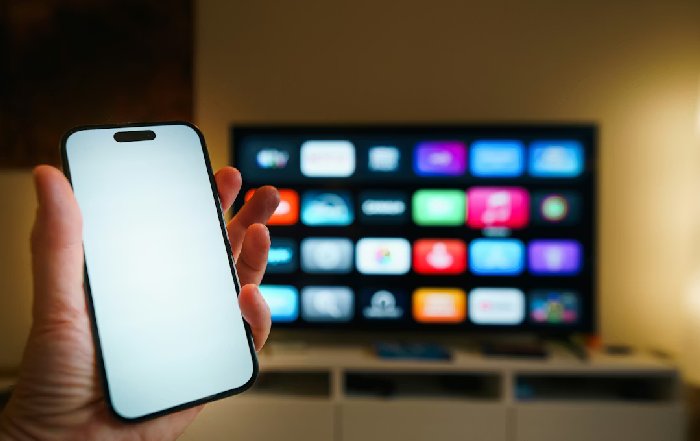
Consumer Electronics: How New Tech Is Reshaping Work, Life, and the Global Economy
A New Era in Consumer Technology
Consumer electronics have shifted from being peripheral and extra lifestyle accessories to becoming central infrastructure for how economies function, how people work, and how societies communicate. The annual cycle of product launches, global trade shows, and regulatory debates around technology is no longer just about the latest gadgets; it has become a barometer of economic health, employment trends, international competition, and the evolving expectations of consumers in the United States and across key markets in North America, Europe, Asia, and beyond.
From the show floors of CES in Las Vegas and IFA in Berlin to innovation hubs in Silicon Valley, Shenzhen, Seoul, and Stockholm, the consumer electronics industry is now defined by convergence: artificial intelligence embedded in every device, seamless connectivity through advanced 5G and emerging 6G networks, and a strong push toward sustainability and circular economy models. These developments are directly relevant to the business, finance, and technology coverage that usa-update.com delivers, as they influence capital investment, employment, regulatory frameworks, and lifestyle trends that shape the daily decisions of executives, policymakers, and consumers.
The landscape is characterized by intense competition among global leaders such as Apple, Samsung Electronics, Alphabet (Google), Microsoft, Meta Platforms, Amazon, Sony, Huawei, and a rapidly expanding field of specialized innovators. As the line between consumer and enterprise technology blurs, the devices unveiled on consumer stages increasingly determine productivity in offices, factories, and remote workplaces across the world. Readers seeking broader macroeconomic context can explore related coverage on the U.S. economy, while those following sector-specific corporate developments can turn to usa-update.com's dedicated business and technology sections.
AI at the Core: Intelligent Devices Redefining Everyday Life
Artificial intelligence is no longer presented as a standalone feature; it has become the underlying fabric of consumer electronics in 2026. Smartphones, televisions, home appliances, wearables, and even vehicles now rely on a combination of edge AI and cloud-based models to deliver personalized experiences, predictive maintenance, and enhanced security. According to ongoing analysis by organizations such as McKinsey & Company, AI's economic impact spans trillions of dollars in potential value creation, and the consumer sector is one of the primary beneficiaries, as AI-enabled devices unlock new categories of services and recurring revenue models.
The most recent flagship smartphones from Apple, Samsung, and leading Chinese manufacturers integrate advanced on-device AI processors capable of real-time language translation, intelligent photo and video enhancement, and adaptive power management that extends battery life based on learned user behavior. Smart home ecosystems, anchored by devices such as Amazon Echo, Google Nest, and a host of interoperable sensors and controllers, now use AI to optimize energy consumption, strengthen home security, and manage complex routines that span lighting, climate control, entertainment, and even home office configurations.
A key development in 2026 is the maturation of generative AI assistants embedded directly into operating systems and devices. These assistants can draft emails, summarize documents, manage schedules, and provide context-aware recommendations without requiring constant connectivity to remote data centers, reducing latency and addressing some privacy concerns. For professionals and businesses, this means that consumer-grade devices now deliver productivity enhancements that rival traditional enterprise software, further underscoring the convergence between consumer and corporate technology. Readers interested in how these AI-driven tools intersect with employment and workplace transformation can follow ongoing coverage in usa-update.com's jobs and employment sections.
At the same time, AI in consumer electronics raises pressing questions about data governance, algorithmic bias, and cybersecurity. Institutions such as the National Institute of Standards and Technology (NIST) and the European Commission provide evolving frameworks and guidance on trustworthy AI, while organizations like the OECD and the World Economic Forum offer global perspectives on responsible deployment. Businesses operating in this space must balance innovation with compliance and public trust, recognizing that consumer confidence can be undermined quickly by misuse of data or opaque AI-driven decision-making.
The Connected Home and Smart Living Ecosystems
The concept of the smart home, long promised but only partially realized, has become substantially more cohesive by 2026. The widespread adoption of interoperability standards such as Matter has enabled devices from different manufacturers to communicate reliably, making it easier for consumers to build integrated ecosystems rather than siloed collections of incompatible products. This shift has important implications for retailers, device manufacturers, and service providers, as it encourages competition on user experience, security, and long-term support rather than on proprietary lock-in alone.
Smart thermostats, connected lighting, video doorbells, and intelligent appliances now form part of a broader lifestyle proposition that touches energy efficiency, home security, wellness, and entertainment. In the United States, utilities and energy providers increasingly partner with consumer electronics companies to offer incentives for adopting energy-efficient devices, aligning with national and state-level initiatives to reduce carbon emissions. Those interested in the intersection of technology and the energy transition can explore coverage in usa-update.com's energy section and learn more about sustainable energy policy and innovation through resources such as the U.S. Department of Energy and the International Energy Agency.
The smart home is also becoming a hub for healthcare and wellness monitoring. Connected medical devices, such as blood pressure monitors, glucose sensors, and sleep trackers, now integrate with home hubs and smartphones to provide continuous data streams to healthcare providers, with appropriate consent and compliance with regulations like HIPAA and GDPR. Organizations such as the U.S. Food and Drug Administration and the World Health Organization are closely involved in setting standards and evaluating risks and benefits of these technologies, as they bridge the gap between consumer wellness and regulated medical devices.
For busy professionals, hybrid workers, and families, the smart home of 2026 offers new efficiencies but also demands careful management of digital boundaries. The same devices that enable remote work, virtual meetings, and AI-assisted productivity can also contribute to digital fatigue and privacy concerns if not configured thoughtfully. Lifestyle coverage on usa-update.com highlights how consumers can navigate these trade-offs, while business readers assess the strategic implications for sectors ranging from real estate and insurance to retail and healthcare.
Immersive Entertainment: From Living Room Screens to Mixed Reality Worlds
Entertainment remains one of the most visible drivers of innovation in consumer electronics, and by 2026 the industry has moved far beyond traditional screens. High-end televisions from LG Electronics, Samsung, Sony, and emerging competitors now feature 8K resolution, advanced OLED and microLED panels, and sophisticated upscaling algorithms that leverage AI to enhance lower-resolution content. Streaming platforms, including Netflix, Disney+, Amazon Prime Video, and regionally dominant services, compete not only on content libraries but also on interactive features, personalized recommendations, and integration with gaming and social platforms.
The rise of mixed reality (MR) and extended reality (XR) headsets has created new categories of entertainment experiences that blend physical and digital environments. Devices from Meta, Apple, Sony, and a growing cohort of specialized manufacturers enable immersive gaming, virtual concerts, remote collaboration, and interactive storytelling. For the entertainment industry, this shift opens new monetization models, from virtual goods and subscription-based experiences to hybrid live events that reach global audiences. Readers can follow how these trends intersect with the broader entertainment economy through usa-update.com's dedicated entertainment and events coverage.
Esports and cloud gaming further demonstrate how consumer electronics now underpin complex global ecosystems. With improved network infrastructure and edge computing, services from Microsoft Xbox Cloud Gaming, NVIDIA GeForce NOW, and other platforms allow high-fidelity gaming on relatively modest hardware, shifting the performance burden to data centers. This model changes the economics of device ownership, as consumers evaluate whether to invest in high-end local hardware or rely on subscription-based streaming. Analysts at organizations such as Deloitte and PwC continue to track the financial implications of these shifts for media companies, telecom operators, and hardware manufacturers.
At the same time, the entertainment segment of consumer electronics is increasingly intertwined with social media and creator economies. Smartphones, cameras, and audio equipment are optimized for content creation, with advanced stabilization, high dynamic range, and AI-powered editing tools enabling individuals and small teams to produce professional-quality content. Platforms such as YouTube, TikTok, and Twitch leverage these capabilities to expand global creator communities, raising important questions about platform governance, monetization fairness, and cross-border cultural influence. For a business audience following advertising, media, and consumer behavior, these developments are vital indicators of where attention and spending are moving.
Consumer Electronics Evolution 2026
Key innovations reshaping work, life, and the global economy
Wearables, Health Tech, and the Quantified Self
Wearable devices have matured from novelty fitness trackers into sophisticated health and performance platforms that sit at the intersection of consumer electronics and medical technology. In 2026, smartwatches from Apple, Samsung, Garmin, and other leading brands, along with fitness bands and smart rings, provide continuous monitoring of heart rate variability, blood oxygen levels, sleep stages, and stress indicators, while some devices support electrocardiogram (ECG) readings and irregular heart rhythm notifications. These capabilities support the broader trend toward preventive healthcare and personalized wellness, as emphasized by organizations such as the Mayo Clinic and Cleveland Clinic.
For employers and insurers, the data generated by wearables presents both opportunity and complexity. Corporate wellness programs increasingly integrate wearable-based incentives, offering reduced premiums or additional benefits for employees who meet activity or health goals. However, this raises sensitive questions about data ownership, consent, and potential discrimination, requiring careful alignment with regulations and ethical guidelines. Business leaders following this space must stay informed about evolving regulatory guidance from bodies such as the U.S. Department of Health and Human Services and the European Data Protection Board, while technology firms work to design transparent, user-centric data practices that preserve trust.
In markets such as the United States, Canada, the United Kingdom, Germany, and the Nordic countries, wearables are also becoming key tools for managing aging populations and supporting independent living. Remote monitoring solutions that combine wearable sensors, smart home devices, and telehealth platforms enable healthcare providers and caregivers to detect anomalies early, reducing hospitalizations and improving quality of life. For global readers of usa-update.com, this trend is particularly relevant in regions facing demographic shifts, including Japan, South Korea, and much of Western Europe, where aging populations place increasing pressure on healthcare systems and labor markets.
The wearables segment is also closely linked to sports, travel, and lifestyle trends. Advanced GPS tracking, environmental sensors, and integration with mapping platforms from organizations like Google Maps and OpenStreetMap support outdoor activities, adventure tourism, and professional athletics. As consumers in North America, Europe, and Asia-Pacific return to more frequent travel, they bring with them expectations for seamless connectivity and health monitoring, influencing the design of hotels, airports, and transportation hubs. Coverage of these lifestyle and travel dynamics on usa-update.com's lifestyle and travel pages provides additional context for how wearables are reshaping consumer expectations.
Work, Productivity, and the Blurring of Consumer and Enterprise Tech
By 2026, the boundary between consumer electronics and enterprise technology has largely dissolved. Laptops, tablets, smartphones, and peripherals designed for individual consumers are now central tools in remote and hybrid work environments across the United States, Canada, Europe, and major Asian economies such as Japan, South Korea, and Singapore. Cloud-based productivity suites from Microsoft, Google, and other providers run seamlessly across devices, while peripherals like noise-canceling headphones, 4K webcams, and portable monitors are marketed simultaneously to home users and corporate buyers.
The widespread adoption of flexible work models has driven demand for devices that can transition smoothly between professional and personal contexts. High-performance ultrabooks, 2-in-1 tablets, and desktop docking solutions allow workers to maintain productivity at home, in offices, and on the move, while security features such as biometric authentication, hardware-based encryption, and secure boot processes protect sensitive data. Guidance from organizations such as the Cybersecurity and Infrastructure Security Agency (CISA) and ENISA helps companies and individuals implement best practices for securing distributed work environments, where consumer devices often access corporate networks and data.
For employers, this convergence presents both cost efficiencies and governance challenges. Procurement strategies increasingly account for employee preferences, recognizing that user satisfaction with devices can influence retention and productivity. At the same time, IT departments must manage diverse device fleets, implement mobile device management (MDM) solutions, and ensure compliance with data protection regulations across multiple jurisdictions. The business coverage on usa-update.com regularly explores how organizations adapt their technology strategies and employment policies to these realities, while the finance section highlights the investment and cost-optimization dimensions.
The global nature of supply chains and remote work also underscores the importance of international coordination. Tech hubs in the United States, Canada, the United Kingdom, Germany, the Netherlands, Sweden, Singapore, and Australia compete and collaborate in developing next-generation devices and services, while emerging markets in South America, Africa, and Southeast Asia represent critical growth opportunities. Institutions such as the World Trade Organization and the International Monetary Fund track the impact of digital trade and technology diffusion on growth and employment, providing valuable context for readers following international developments on usa-update.com's international page.
Sustainability, Regulation, and the Circular Electronics Economy
Sustainability has moved from a peripheral marketing message to a central strategic imperative in the consumer electronics industry. Governments in the United States, the European Union, the United Kingdom, and other jurisdictions have introduced regulations aimed at reducing electronic waste, improving energy efficiency, and promoting repairability and recyclability. The European Commission's efforts around the right to repair, standardized charging ports, and eco-design requirements have influenced global manufacturing practices, while U.S. states and federal agencies continue to refine their own approaches to electronic waste management and energy standards.
Leading companies such as Apple, Samsung, and Dell Technologies have announced ambitious climate and circular economy goals, committing to using recycled materials, renewable energy, and more sustainable packaging in their products and operations. Independent organizations such as CDP and the Science Based Targets initiative provide frameworks for measuring and validating these commitments, while watchdog groups and media outlets scrutinize progress to distinguish genuine transformation from superficial claims. Business readers seeking to understand how sustainability strategies influence brand value, regulatory risk, and investor relations can explore broader coverage on usa-update.com's regulation and economy pages.
For consumers, sustainability considerations increasingly factor into purchasing decisions, particularly in markets such as Scandinavia, Germany, the Netherlands, Canada, and parts of the United States where environmental awareness is high. Programs that encourage device trade-ins, certified refurbishment, and extended product lifecycles are gaining traction, supported by retailers and manufacturers who recognize both the environmental and economic benefits of circular models. Organizations like the Ellen MacArthur Foundation and UN Environment Programme highlight how circular economy principles can be applied to electronics, from design to end-of-life management.
Regulation also extends to data privacy, cross-border data flows, and digital consumer rights. Frameworks such as the EU's GDPR, California's privacy laws, and emerging regulations in countries like Brazil, South Korea, and Singapore shape how consumer electronics companies collect, store, and monetize user data. For a global audience, understanding these regulatory landscapes is essential, as compliance requirements influence product features, cloud infrastructure choices, and even the availability of certain services in specific markets. Coverage on usa-update.com helps readers navigate these complex intersections of technology, law, and consumer protection.
Global Supply Chains, Geopolitics, and Strategic Competition
Behind every consumer device unveiled on a stage in Las Vegas, Cupertino, Seoul, or Shenzhen lies a vast and intricate supply chain that spans continents. Semiconductors, display panels, batteries, sensors, and rare earth materials are sourced, processed, and assembled across the United States, East Asia, Europe, and other regions, making consumer electronics a focal point for geopolitical and economic competition. The events of the early 2020s, including pandemic-related disruptions and semiconductor shortages, prompted governments and corporations to reassess their dependence on concentrated manufacturing hubs.
By 2026, initiatives in the United States, the European Union, Japan, South Korea, and India aim to strengthen domestic semiconductor production and diversify supply chains. Legislation such as the U.S. CHIPS and Science Act and similar programs in the EU and Asia support investments in fabrication facilities, research, and workforce development, with the goal of reducing vulnerabilities and maintaining technological leadership. Organizations like SEMI and research institutes including IMEC in Belgium and Fraunhofer Society in Germany play critical roles in advancing semiconductor and materials science that underpin the next generation of consumer devices.
The strategic importance of consumer electronics and related technologies is also evident in trade policy and export controls. Restrictions on advanced semiconductor equipment and certain AI technologies, particularly in the context of U.S.-China relations, affect the capabilities and competitiveness of manufacturers and platform providers worldwide. Companies must navigate a complex landscape of compliance obligations while maintaining access to global markets, a challenge that underscores the need for robust risk management and scenario planning. International readers following these developments can find complementary analysis on global economic and political trends through institutions such as the Brookings Institution and Chatham House, while usa-update.com continues to connect these macro-level dynamics to their implications for business and consumers.
For countries such as Canada, Mexico, Brazil, South Africa, and emerging economies in Southeast Asia and Africa, the evolution of consumer electronics supply chains presents both risks and opportunities. On one hand, shifts in manufacturing and trade patterns can disrupt existing industries; on the other, they open possibilities for attracting investment, developing local ecosystems, and moving up the value chain from assembly to design and innovation. As the global landscape evolves, the consumer electronics sector remains a key lens through which to view broader questions of industrial policy, digital sovereignty, and inclusive growth.
The Consumer Perspective: Trust, Value, and Changing Expectations
While technology companies, regulators, and investors shape the structural dynamics of the consumer electronics industry, the ultimate arbiter of success remains the consumer. Now consumers in the United States, Europe, Asia-Pacific, and other regions approach technology purchases with heightened expectations around value, reliability, privacy, and long-term support. Inflationary pressures and economic uncertainty in certain markets have made price sensitivity more pronounced, but buyers are also willing to invest in premium devices when they perceive clear benefits in performance, durability, sustainability, and ecosystem integration.
Trust has emerged as a decisive factor in brand choice. High-profile cybersecurity incidents, data breaches, and concerns about surveillance have made consumers more aware of the risks associated with connected devices, particularly in categories such as smart speakers, home security cameras, and children's devices. Organizations such as the Electronic Frontier Foundation and Consumer Reports provide independent evaluations and advocacy on issues ranging from privacy practices to product safety, influencing public perception and purchasing decisions. For a business audience, these dynamics underscore the importance of transparency, robust security engineering, and responsive customer support in maintaining brand equity.
Consumers also increasingly expect seamless experiences across devices and services. A smartphone purchased in the United States should pair effortlessly with a smart TV in a hotel in Spain, a rental car in Germany, or a coworking space in Singapore, with consistent access to cloud-based content and services. This expectation drives platform providers to invest heavily in interoperability, roaming agreements, and localized compliance, while device manufacturers must ensure that hardware and software updates are delivered reliably over the lifespan of products. The consumer coverage on usa-update.com frequently examines these expectations, highlighting both best practices and pain points in the user experience.
At the same time, lifestyle trends influence which categories of consumer electronics gain traction in different regions. In North America and Europe, interest in home fitness, outdoor recreation, and smart kitchen appliances reflects broader health and wellness priorities. In parts of Asia, such as South Korea, Japan, Singapore, and Thailand, urban density and advanced infrastructure drive demand for compact, high-performance devices and integrated mobility solutions. In Africa, South America, and South Asia, affordability, durability, and connectivity remain paramount, with smartphones often serving as primary computing devices and gateways to financial services, education, and commerce. For readers of usa-update.com, understanding these regional nuances is essential for evaluating global business strategies and investment opportunities.
Priorities for Business and Policy
The trajectory of consumer electronics innovation points toward even deeper integration of technology into the fabric of everyday life and economic activity. For business leaders, investors, and policymakers, several strategic priorities emerge from the current landscape.
First, sustained investment in research and development, particularly in areas such as AI, advanced materials, energy storage, and connectivity, will be critical for maintaining competitiveness. Collaboration between industry, academia, and government, exemplified by initiatives at institutions like MIT, Stanford University, and leading European and Asian research universities, accelerates the translation of scientific advances into commercially viable products that can define new categories of consumer experience.
Second, companies must treat trust as a core asset, on par with intellectual property and capital. Robust cybersecurity, transparent data practices, ethical AI deployment, and meaningful sustainability commitments are no longer optional; they are prerequisites for long-term success in a market where consumers, regulators, and investors are increasingly aligned in demanding accountability. Coverage on usa-update.com's news and business pages will continue to highlight both positive examples and cautionary tales that illustrate how trust can be built or eroded.
Third, organizations need to prepare for regulatory and geopolitical volatility. Export controls, privacy laws, environmental regulations, and antitrust scrutiny can change rapidly, particularly in strategic sectors like semiconductors, AI, and telecommunications. Companies that build flexible supply chains, diversified market exposure, and strong compliance capabilities will be better positioned to navigate these shifts while continuing to innovate and serve customers across the United States, Europe, Asia, and other key regions.
Finally, stakeholders must consider the societal implications of increasingly pervasive consumer electronics. Questions about digital inclusion, workforce displacement, mental health, and cultural impact require thoughtful engagement from industry leaders, civil society, and governments. Institutions such as the UNESCO, the International Labour Organization, and leading think tanks provide frameworks for addressing these issues, but effective solutions will depend on coordinated action and continuous dialogue.
The evolution of consumer electronics is more than a series of product announcements; it is a lens through which to understand broader transformations in the economy, employment, lifestyle, regulation, and international relations. As new devices and platforms continue to emerge, the publication will remain focused on delivering analysis that emphasizes experience, expertise, authoritativeness, and trustworthiness, helping decision-makers and consumers alike navigate an increasingly complex and interconnected technological landscape.
