
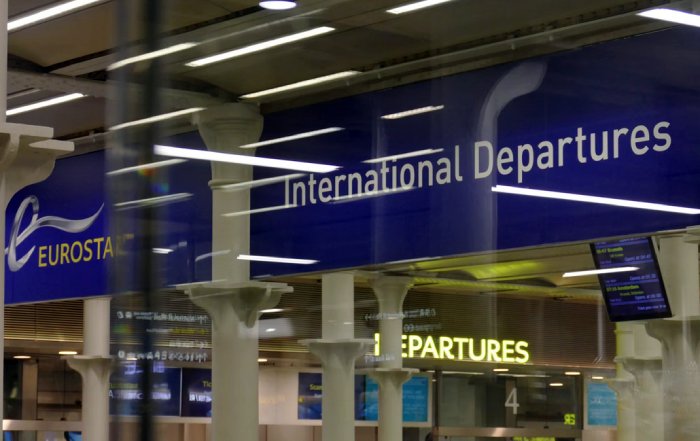
How the International Travel Industry Is Responding to Economic Pressures
A Sector Under Sustained Strain
The international travel industry has emerged from the acute disruption of the pandemic era only to confront a new configuration of structural economic pressures, ranging from persistent inflation and higher interest rates to geopolitical fragmentation, energy volatility, labor shortages, and shifting consumer expectations. For readers of usa-update, who follow developments across the economy, business, finance, employment, energy, and consumer behavior, the travel sector offers a revealing lens on how global industries adapt when multiple macroeconomic headwinds converge at once and demand a mix of resilience, innovation, and disciplined capital allocation.
International travel is no longer simply a discretionary service; it is now a complex ecosystem that connects aviation, hospitality, digital platforms, energy producers, regulators, and financial markets. As organizations such as the International Air Transport Association (IATA), the World Travel & Tourism Council (WTTC), and the Organisation for Economic Co-operation and Development (OECD) continue to publish data on demand trends, capacity, and policy changes, the industry's response to economic pressures has become a case study in Experience, Expertise, Authoritativeness, and Trustworthiness, qualities that are increasingly decisive for consumers, regulators, and investors alike. Readers seeking broader macro context can follow related developments on the usa-update.com economy page and business coverage, where travel is often discussed as both a driver and a mirror of wider economic conditions.
Macroeconomic Headwinds Reshaping Global Travel Demand
The most immediate pressures on international travel right now arise from a macroeconomic environment that remains tight by post-financial-crisis standards. Central banks such as the Federal Reserve in the United States and the European Central Bank have spent several years battling inflation with higher interest rates, which in turn raise financing costs for airlines, hotel groups, and infrastructure providers. Corporate balance sheets that were stretched during the pandemic recovery now face higher debt-servicing burdens, forcing management teams to prioritize profitability over pure volume growth and to re-evaluate long-term capital expenditure plans, fleet renewals, and expansion projects.
At the same time, households in the United States, Europe, and many parts of Asia are experiencing the lingering effects of cost-of-living pressures. Real wage growth has been uneven, and although employment levels remain relatively high in many advanced economies, the combination of elevated housing costs, higher borrowing rates, and still-elevated prices for essentials such as food and fuel has made discretionary travel spending more sensitive to price and value. Analysts at institutions such as the International Monetary Fund highlight how the normalization of savings that were built up during pandemic lockdowns has also reduced the cushion that previously supported a surge in "revenge travel." As a result, international bookings are still robust in premium segments and certain leisure corridors, but more volatile in mass-market and price-sensitive categories, where consumers are increasingly comparing total trip costs and seeking flexible cancellation terms.
In emerging markets across South America, Asia, and Africa, the picture is more varied. Some countries are benefiting from currency depreciation that makes them more attractive destinations for inbound tourism, while others are constrained by high external debt and limited fiscal space to invest in tourism infrastructure. International visitors to Brazil, South Africa, Thailand, and Malaysia are discovering that local pricing remains competitive even as airfares have risen, and national tourism boards are working with global carriers to structure targeted campaigns that emphasize value and authenticity. Readers interested in how these dynamics intersect with broader global developments can track related stories on usa-update.com's international section, where travel is often entwined with trade, diplomacy, and regional economic integration.
Inflation, Airfares, and the Cost Structure of Global Aviation
One of the most visible manifestations of economic pressure in travel is the cost of flying. Airlines in North America, Europe, and Asia have faced a complex blend of higher fuel prices, increased labor costs, and more expensive financing, all of which feed into airfares. Industry data from IATA and analysis by organizations such as McKinsey & Company show that while base fares have stabilized from their post-pandemic peaks, ancillary fees for baggage, seat selection, and flexibility have become an increasingly important part of airline revenue strategies, allowing carriers to segment demand and capture willingness to pay without raising headline prices beyond what consumers will tolerate.
Fuel remains the single largest operating cost for many airlines, and the volatility of global energy markets continues to shape pricing decisions. Events affecting oil supply, such as production decisions by OPEC+, disruptions in key shipping lanes, and evolving energy policy in major producer nations, have all contributed to uncertainty. Many carriers have turned to fuel hedging strategies and longer-term supply contracts to reduce exposure, while others are investing in fleet renewal programs that prioritize more fuel-efficient aircraft. For a broader view of how energy trends intersect with travel, readers can explore energy-focused coverage on usa-update.com's energy page, where aviation fuel, sustainable energy, and regulatory developments are often discussed together.
Labor costs are another critical factor. Pilots, cabin crew, ground staff, and maintenance technicians are in short supply in several regions, particularly in North America and Europe, where retirements accelerated during the pandemic and training pipelines have not fully caught up. Unions representing aviation workers in the United States, the United Kingdom, Germany, and other major markets have negotiated substantial wage increases to compensate for inflation and increased workloads, and these higher labor costs inevitably find their way into ticket pricing. Airlines are responding by optimizing schedules, reducing marginally profitable routes, and deploying larger aircraft on high-demand corridors in order to spread fixed costs across more passengers.
Hospitality, Accommodation, and the New Economics of Stay
The hospitality sector, encompassing hotels, resorts, serviced apartments, and alternative accommodation platforms, has also had to adapt to a more cost-conscious and segmented market. Major global hotel groups such as Marriott International, Hilton, and Accor have reported relatively strong occupancy in key urban and resort markets, but average daily rates and revenue per available room vary widely by region and segment. Luxury and upper-upscale properties in destinations such as New York, London, Paris, Dubai, Singapore, and Tokyo continue to benefit from pent-up demand among affluent travelers, while midscale and budget properties face more intense competition from short-term rental platforms and local independents.
The rise of platforms such as Airbnb and Booking Holdings has altered the supply side of the accommodation market, enabling homeowners and small operators to enter the tourism economy at scale. This expanded supply has helped to moderate price increases in some markets but has also raised concerns about housing affordability, neighborhood disruption, and regulatory compliance. City governments from Barcelona and Amsterdam to New York and Vancouver have introduced or tightened regulations governing short-term rentals, often requiring registration, limiting the number of rental days, and enforcing safety and tax rules. Readers interested in the regulatory dimension of these developments can consult related analysis on usa-update.com's regulation coverage, where housing, zoning, and tourism rules intersect.
Rising operating costs for hotels, including energy, labor, insurance, and maintenance, have compelled operators to focus on efficiency and revenue management. Many properties have invested in smart building technologies, dynamic pricing systems, and data-driven marketing tools to optimize occupancy and margins. Sustainability has also become a strategic imperative, as guests increasingly expect visible efforts to reduce waste, conserve water, and use renewable energy. Industry-aligned guidance from organizations such as the World Tourism Organization (UNWTO) and the World Green Building Council has encouraged hotels to adopt measurable environmental standards, which not only appeal to environmentally conscious travelers but can also reduce operating costs over time.
Business Travel: From Structural Decline to Strategic Recalibration
Among the most profound shifts in international travel since 2020 has been the reconfiguration of business travel. Corporations across the United States, Europe, and Asia have discovered that many internal meetings, training sessions, and even some sales activities can be conducted effectively through digital collaboration platforms such as Microsoft Teams and Zoom, reducing the need for frequent international trips. At the same time, the drive to manage costs, reduce carbon footprints, and support employee well-being has led many companies to adopt explicit travel policies that prioritize high-value trips and require more rigorous justification for long-haul journeys.
Research from consulting firms such as Boston Consulting Group and reports from corporate travel management companies indicate that while business travel volumes have recovered significantly from their pandemic lows, they remain structurally below 2019 levels in many markets, particularly for routine internal travel. However, strategic, client-facing, and revenue-generating travel has proven more resilient, as organizations recognize that in-person engagement still offers a competitive edge in complex negotiations, relationship building, and cross-border project delivery. This bifurcation has reshaped the revenue mix for airlines and hotels, which historically relied heavily on high-yield corporate travelers for profitability.
In response, carriers have refined their premium products, emphasizing comfort, privacy, and connectivity in business and premium economy cabins, while hotels have redesigned meeting spaces and co-working areas to accommodate hybrid events and flexible work patterns. The growth of "bleisure" travel, where employees combine business trips with personal leisure time, has also blurred the boundaries between corporate and leisure segments. Destinations that can offer both strong business infrastructure and attractive leisure experiences, such as Singapore, Dubai, and major European capitals, are particularly well positioned. For readers tracking employment and workplace trends that feed into these patterns, usa-update.com's employment coverage and jobs insights provide complementary perspectives.
International Travel Industry Response 2026
Navigate economic pressures shaping global travel
Key Economic Pressures
Industry Solutions
- Dynamic Pricing:Airlines implementing AI-powered revenue management and ancillary fee strategies
- Fleet Renewal:Investment in fuel-efficient aircraft to reduce operating costs by 15-20%
- Technology Integration:Biometric systems, self-service, and automation reducing labor dependency
- Sustainable Aviation Fuel:Major carriers signing long-term SAF agreements despite premium costs
- Flexible Policies:Clear cancellation terms and transparent pricing to build consumer trust
- Revenue Diversification:Hotels focusing on bleisure, co-working spaces, and hybrid events
- Workforce Development:Structured career pathways and wage increases to address labor shortages
- Digital Personalization:ML-driven recommendations improving conversion and customer satisfaction
Regional Dynamics
United States
Strong Outbound
Europe
Intra-Regional
Asia-Pacific
Heterogeneous
- United States:Resilient labor market and strong dollar driving transatlantic/transpacific expansion
- Europe:High-speed rail competition, EU climate policies (Fit for 55), regional travel preference
- Asia-Pacific:China recovery gradual; Southeast Asia robust; Japan/Korea strong inbound tourism
- Emerging Markets:Currency depreciation creating value destinations in Brazil, Thailand, South Africa
- Middle East:Dubai and Singapore positioned as premium business-leisure hubs
Industry Evolution Timeline
2020-2021: Pandemic Disruption
Acute shock, government support, workforce exodus from travel sector
2022-2023: Recovery Phase
"Revenge travel" surge, labor shortages emerge, inflation accelerates
2024-2025: Normalization
Savings depleted, interest rates peak, corporate travel permanently reconfigured
2026: Strategic Adaptation
Shift from volume to value, technology investment, sustainability mandates, consolidation
2027+: New Equilibrium
Resilience-focused models, emerging middle-class markets, digital nomadism, modal shifts
Leisure Travel: Value, Flexibility, and the Search for Meaningful Experiences
Leisure travelers are navigating a world in which travel is both more accessible through digital tools and more expensive in absolute terms, especially for international trips. As a result, value and flexibility have become central to decision-making. Consumers are increasingly using price comparison engines, meta-search platforms, and dynamic packaging tools to construct itineraries that balance cost, convenience, and experience quality. At the same time, the psychological and emotional significance of travel, reinforced by the restrictions of previous years, has led many people to treat international trips as carefully curated experiences rather than routine commodities.
Surveys by organizations such as Euromonitor International and Skift Research indicate that travelers in North America and Europe are placing greater emphasis on authenticity, sustainability, and personal enrichment, seeking destinations that offer cultural immersion, nature-based experiences, and opportunities for learning. This trend has benefited countries such as Italy, Spain, Japan, Thailand, and New Zealand, where rich cultural heritage and natural landscapes can be integrated into multi-day itineraries. It has also encouraged secondary and tertiary destinations within large countries, including the United States and Canada, to promote lesser-known regions as alternatives to congested urban centers.
Flexibility remains a key requirement, with travelers favoring providers that offer clear cancellation policies, transparent pricing, and responsive customer service. The economic pressures of 2026 have heightened sensitivity to hidden fees and unexpected charges, prompting many consumers to pay closer attention to contract terms and to seek out trusted brands and intermediaries. For readers of usa-update.com, this aligns with broader consumer behavior trends covered on the site's consumer page, where transparency, digital literacy, and trust in brands are recurring themes.
Technology as a Strategic Lever for Efficiency and Customer Trust
Technology has become the central lever through which the international travel industry is responding to economic pressures, as companies seek to improve operational efficiency, enhance customer experience, and build trust through reliable, data-driven services. Airlines, airports, hotels, and online travel agencies are investing in automation, artificial intelligence, and advanced analytics to streamline processes, reduce errors, and anticipate customer needs, while regulators and industry bodies are working to ensure that these tools are deployed in a secure and privacy-conscious manner.
Airports across North America, Europe, and Asia are expanding the use of biometric identification, self-service bag drops, and automated border control systems, building on guidance from agencies such as the Transportation Security Administration (TSA) and the International Civil Aviation Organization (ICAO). These technologies can reduce wait times, lower staffing requirements, and improve throughput, which in turn helps airlines maintain punctuality and optimize aircraft utilization. At the same time, they raise important questions about data protection and civil liberties, requiring close cooperation between industry, regulators, and civil society.
In the digital realm, online travel agencies and meta-search platforms are increasingly using machine learning to personalize search results, recommend itineraries, and forecast pricing trends. Companies such as Expedia Group and Trip.com Group are integrating generative AI tools into their customer interfaces, enabling travelers to describe their preferences in natural language and receive curated suggestions. While these tools can improve user experience and drive conversion, they also require robust governance to avoid biased recommendations and ensure that sponsored content is clearly distinguished from organic results. Readers following the intersection of technology and business can explore additional coverage on usa-update.com's technology page, where AI, data, and platform dynamics are examined across sectors.
Sustainability, Energy Transition, and Regulatory Pressure
Sustainability has moved from a peripheral concern to a central strategic and regulatory priority for the international travel industry. Aviation, in particular, faces mounting pressure from governments, investors, and consumers to reduce greenhouse gas emissions in line with national and international climate targets. The Intergovernmental Panel on Climate Change (IPCC) and agencies such as the U.S. Environmental Protection Agency (EPA) have underscored the need for rapid decarbonization across all sectors, and aviation's reliance on liquid fuels makes this a complex challenge that cannot be addressed through efficiency measures alone.
One of the most promising avenues is the development and deployment of sustainable aviation fuels (SAF), produced from feedstocks such as waste oils, agricultural residues, and synthetic processes powered by renewable energy. Airlines including United Airlines, Lufthansa Group, and Qantas have announced long-term offtake agreements and pilot programs to integrate SAF into their fuel mix, while governments in the United States, the European Union, and the United Kingdom have introduced incentives and blending mandates to support scale-up. Learn more about sustainable aviation fuel and policy frameworks through resources from the International Energy Agency (IEA) and specialized industry initiatives.
However, SAF remains more expensive than conventional jet fuel, and scaling production to meet global demand will require substantial investment, coordinated policy support, and technological innovation. In the interim, airlines are focusing on fleet renewal, operational efficiencies such as optimized flight paths, and carbon offset or contribution schemes, though the latter have attracted scrutiny from environmental organizations and consumer advocates who question their effectiveness and transparency. For readers of usa-update.com, these debates intersect with broader energy and climate coverage on the site's energy section, where the trade-offs of different transition pathways are examined.
Beyond aviation, destinations are grappling with the environmental and social impacts of tourism, particularly in regions where visitor numbers strain local infrastructure, ecosystems, and communities. Cities such as Venice, Barcelona, and Amsterdam have introduced measures to manage overtourism, including visitor caps, congestion charges, and restrictions on large cruise ships. National parks and heritage sites in countries from the United States and Canada to New Zealand and South Africa are implementing reservation systems and capacity limits to protect fragile environments. These policies reflect a growing recognition that long-term economic viability depends on maintaining the natural and cultural assets that attract visitors in the first place.
Financial Markets, Investment, and the Capital Discipline Imperative
The financial architecture of the international travel industry has also evolved under economic pressure. Investors, lenders, and ratings agencies have become more discerning, rewarding companies that demonstrate capital discipline, robust risk management, and clear strategic positioning. Airlines and hotel groups that entered the pandemic with strong balance sheets and diversified revenue streams have generally been better able to navigate the subsequent period of inflation and high interest rates, while heavily leveraged operators have faced higher refinancing costs and, in some cases, restructuring.
Private equity and institutional investors continue to see opportunities in travel, particularly in high-growth markets across Asia-Pacific, the Middle East, and selected parts of Europe and North America. Infrastructure funds are investing in airports, rail links, and tourism-related real estate, often in partnership with sovereign wealth funds and development finance institutions. Hospitality assets, especially in prime urban and resort locations, remain attractive for long-term investors seeking yield and potential capital appreciation, though valuation expectations have adjusted to reflect higher discount rates and operating costs.
Financial regulators and central banks are also paying closer attention to the systemic implications of travel-related sectors, particularly in countries where tourism accounts for a significant share of GDP and employment, such as Spain, Greece, Thailand, and island economies in the Caribbean and Pacific. Reports from the World Bank and regional development banks emphasize the need for diversification, resilience planning, and access to contingency financing for tourism-dependent economies. For readers tracking financial and market trends, usa-update.com's finance coverage frequently explores how sectors like travel intersect with credit markets, equity valuations, and sovereign risk.
Labor Markets, Skills, and the Human Side of Travel
Behind every international journey lies a complex network of human labor, from pilots and air traffic controllers to hotel housekeepers, tour guides, and digital support staff. The labor market pressures facing the travel industry in 2026 are acute and multifaceted. During the pandemic, many workers left the sector for more stable or better-paid roles in logistics, healthcare, and technology, and not all have returned. As demand recovered, especially in leisure segments, employers in the United States, Canada, the United Kingdom, Germany, and other major markets struggled to recruit and retain staff, leading to service disruptions, longer queues, and a renewed focus on working conditions.
Industry associations and policymakers are now emphasizing the need for structured career pathways, training programs, and improved wages and benefits to make travel-related roles more attractive. Initiatives supported by organizations such as the International Labour Organization (ILO) and national tourism boards aim to provide skills development in areas such as digital literacy, customer service, and sustainability practices, enabling workers to adapt to evolving business models and technological tools. In some regions, governments have adjusted visa and migration policies to facilitate the inflow of seasonal and specialized workers, though these measures are often politically sensitive and subject to changing public sentiment.
For usa-update.com readers interested in employment trends, the travel sector's labor challenges echo broader dynamics in service industries, where wage pressures, automation, and demographic shifts are forcing employers to rethink workforce strategies. Coverage on the site's employment page and jobs section often highlights how sectors like travel can offer both entry-level opportunities and long-term careers if supported by appropriate policy frameworks and corporate practices.
Regional Perspectives: United States, Europe, and Asia-Pacific
While the international travel industry is interconnected, regional variations in economic conditions, policy responses, and consumer behavior are significant. In the United States, domestic travel remains the backbone of the industry, but outbound international travel has rebounded strongly, supported by a relatively resilient labor market and a strong dollar in many currency pairs. U.S. carriers such as Delta Air Lines, American Airlines, and United Airlines have expanded transatlantic and transpacific capacity, while major hotel and resort operators are investing in both domestic and overseas properties. Regulatory and security frameworks overseen by agencies such as the U.S. Department of Transportation and Department of Homeland Security continue to shape the traveler experience, and readers can follow related policy developments through usa-update.com's news coverage.
In Europe, the travel ecosystem is heavily influenced by the integrated Schengen Area, high-speed rail networks, and strong intra-European tourism flows. Economic pressures have led many Europeans to favor regional travel over long-haul trips, though demand for destinations in North America and Asia remains significant among higher-income segments. The European Union's climate policies, including the Fit for 55 package and revisions to the Emissions Trading System, are accelerating decarbonization efforts in aviation and encouraging modal shifts where feasible. National carriers and low-cost airlines alike must navigate a regulatory environment that increasingly prices carbon into operations, while hotels and tour operators adapt to evolving labor and consumer protection rules.
Asia-Pacific presents a more heterogeneous picture. China's outbound travel has recovered more gradually than many had anticipated, due to a combination of domestic economic challenges, regulatory priorities, and changing consumer preferences. However, intra-Asian travel, particularly within Southeast Asia, has been robust, benefiting destinations such as Thailand, Singapore, Malaysia, and Indonesia. Japan and South Korea have seen strong inbound tourism, aided by favorable exchange rates and renewed interest in cultural and culinary experiences. Australia and New Zealand continue to position themselves as premium long-haul destinations, particularly for travelers from North America, Europe, and Asia. Regional organizations and forums, including ASEAN and APEC, are working to harmonize travel protocols and support tourism as a driver of inclusive growth.
The Role of Media and Information Platforms in Building Trust
In an environment characterized by economic uncertainty, evolving regulations, and rapid technological change, reliable information has become a critical asset for travelers, businesses, and policymakers. Media platforms such as usa-update.com play a central role in synthesizing complex developments across the economy, finance, employment, regulation, and lifestyle, helping readers understand how macro trends translate into concrete implications for travel decisions and strategies. By providing up-to-date coverage of policy changes, industry performance, and consumer behavior, such platforms contribute to the trust ecosystem that underpins international travel.
Travelers increasingly rely on a combination of official government sources, industry bodies, and independent journalism when planning trips and evaluating risks. Resources from the U.S. Department of State, the Centers for Disease Control and Prevention (CDC), and counterparts in Canada, the United Kingdom, the European Union, and other regions provide guidance on safety, health, and entry requirements. At the same time, independent analysis from think tanks, academic institutions, and business media helps contextualize these rules within broader economic and geopolitical trends. Learn more about sustainable business practices and their implications for travel through organizations such as the World Economic Forum, which regularly publishes insights on tourism, mobility, and climate.
For usa-update.com, whose audience spans interests in news, economy, business, technology, lifestyle, and international affairs, the travel industry offers a rich intersection of these themes. Coverage that connects airline strategies to energy policy, or hospitality trends to labor markets and consumer confidence, reinforces the site's commitment to Experience, Expertise, Authoritativeness, and Trustworthiness, ensuring that readers can make informed decisions whether they are planning a trip, evaluating an investment, or assessing policy proposals.
Strategic Outlook: Adaptation, Consolidation, and New Opportunities
Looking ahead through 2026 and beyond, the international travel industry is likely to continue its evolution from a volume-driven growth model to one centered on resilience, quality, and differentiated value. Economic pressures, including the possibility of cyclical slowdowns in key markets, will test the robustness of business models and the discipline of management teams. Companies that can balance cost control with investment in technology, sustainability, and human capital will be better positioned to navigate volatility and capture emerging opportunities.
Consolidation is expected to remain a feature in several segments, particularly among smaller airlines, fragmented hotel markets, and travel technology providers. Regulatory authorities, including competition agencies in the United States, the European Union, and other jurisdictions, will play a critical role in determining the shape of the industry, weighing the potential benefits of scale and efficiency against concerns about market power and consumer choice. Readers can track regulatory and antitrust developments affecting travel through usa-update.com's business coverage and regulation insights, where the implications for pricing, service quality, and innovation are examined.
At the same time, new opportunities are emerging. The continued rise of the global middle class, particularly in parts of Asia, Africa, and South America, will create new source markets and destinations. Digital nomadism and remote work, though not as explosive as initially predicted, remain meaningful niches that support extended stays and off-peak travel in countries that offer favorable visa regimes and infrastructure. Niche segments such as medical tourism, educational travel, and sports and entertainment-related tourism-supported by major events and festivals-are also evolving, as destinations and organizers refine offerings to attract high-value visitors. Readers interested in how events and entertainment intersect with travel can find additional context on usa-update.com's events page and entertainment coverage.
Conclusion: Navigating a Complex, Interconnected Future
The international travel industry is flying over shifting sands, so to speak, shaped by the interplay of economic pressures, technological innovation, regulatory shifts, and evolving consumer worries and expectations. The sector's response has been multifaceted: airlines and hotels are rethinking pricing and capacity strategies; destinations are balancing growth with sustainability and community impact; technology providers are deploying advanced tools to enhance efficiency and personalization; and policymakers are refining frameworks to manage risk, protect consumers, and support long-term competitiveness.
For the audience of USA Update, which spans business leaders, investors, policymakers, professionals, and informed consumers across the United States, North America, and globally, understanding these dynamics is essential. International travel is not an isolated industry; it is a barometer of economic confidence, a driver of employment and innovation, and a vector for cultural exchange and soft power. The way it responds to economic pressures in 2026 will influence not only the experiences of individual travelers but also the trajectories of cities, regions, and entire economies.
As usa-update.com continues to report on developments across economy, business, finance, technology, international affairs, and more, the site will remain a trusted resource for those seeking to navigate the complexities of global travel. In a world where change is the only constant, informed insight and credible analysis are indispensable tools, enabling decision-makers and travelers alike to chart a course through uncertainty and to seize the opportunities that a more connected, yet more demanding, travel landscape presents.
